Microsoft is pushing back against a possible Federal Communications Commission restriction on Chinese-made optical transceivers used in AI data centers, warning that cutting off that supply could stall data center construction in the United States. The lobbying effort is being led through the Information Technology Industry Council, where Executive Vice President of Policy and General Counsel John Miller said the proposed ban threatens to bring the data center rollout to a near halt.
Miller said the AI chips that data centers rely on would be unable to do anything without the transceivers that connect them, describing the chips as sitting idle until those components are available.
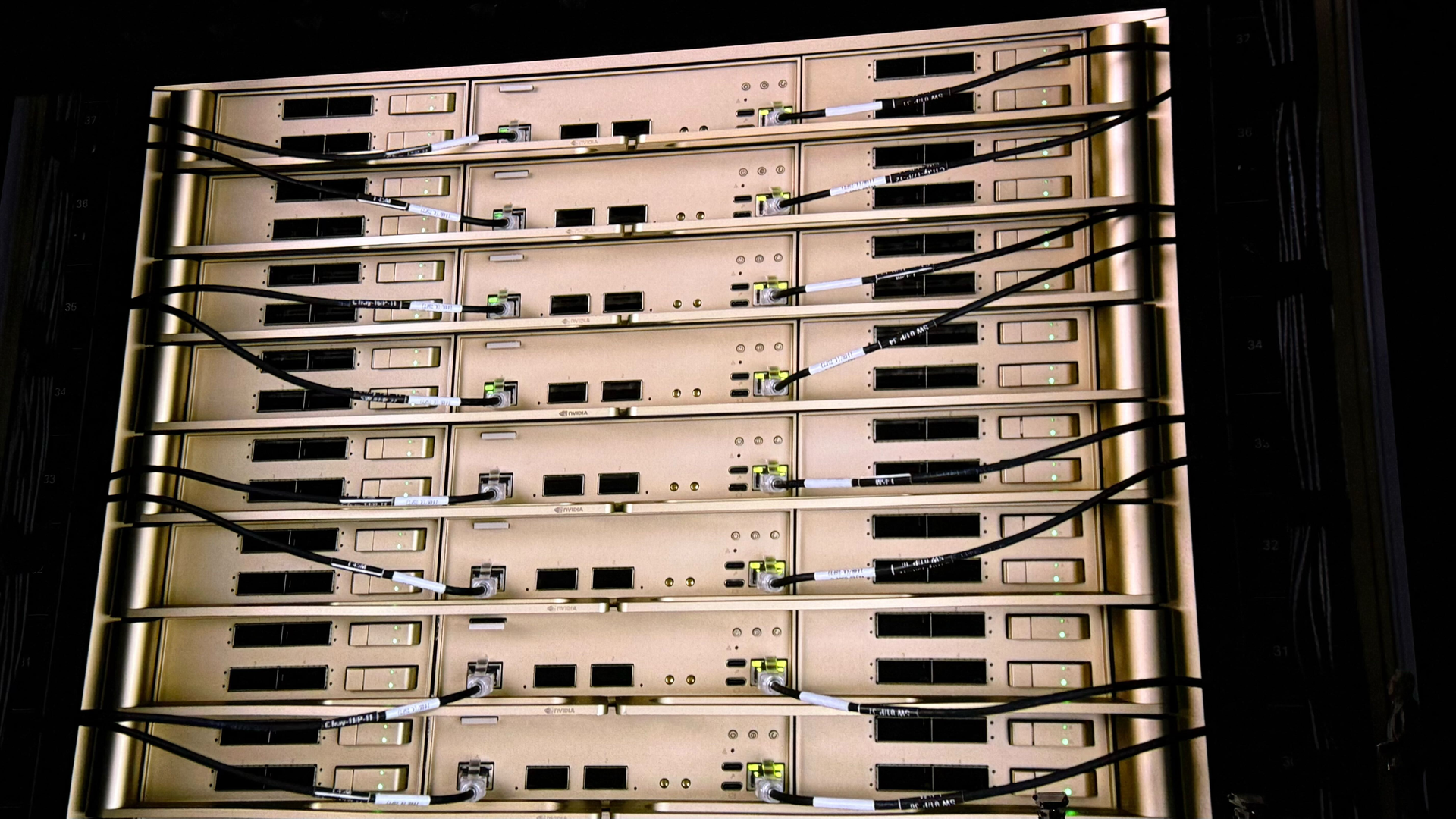
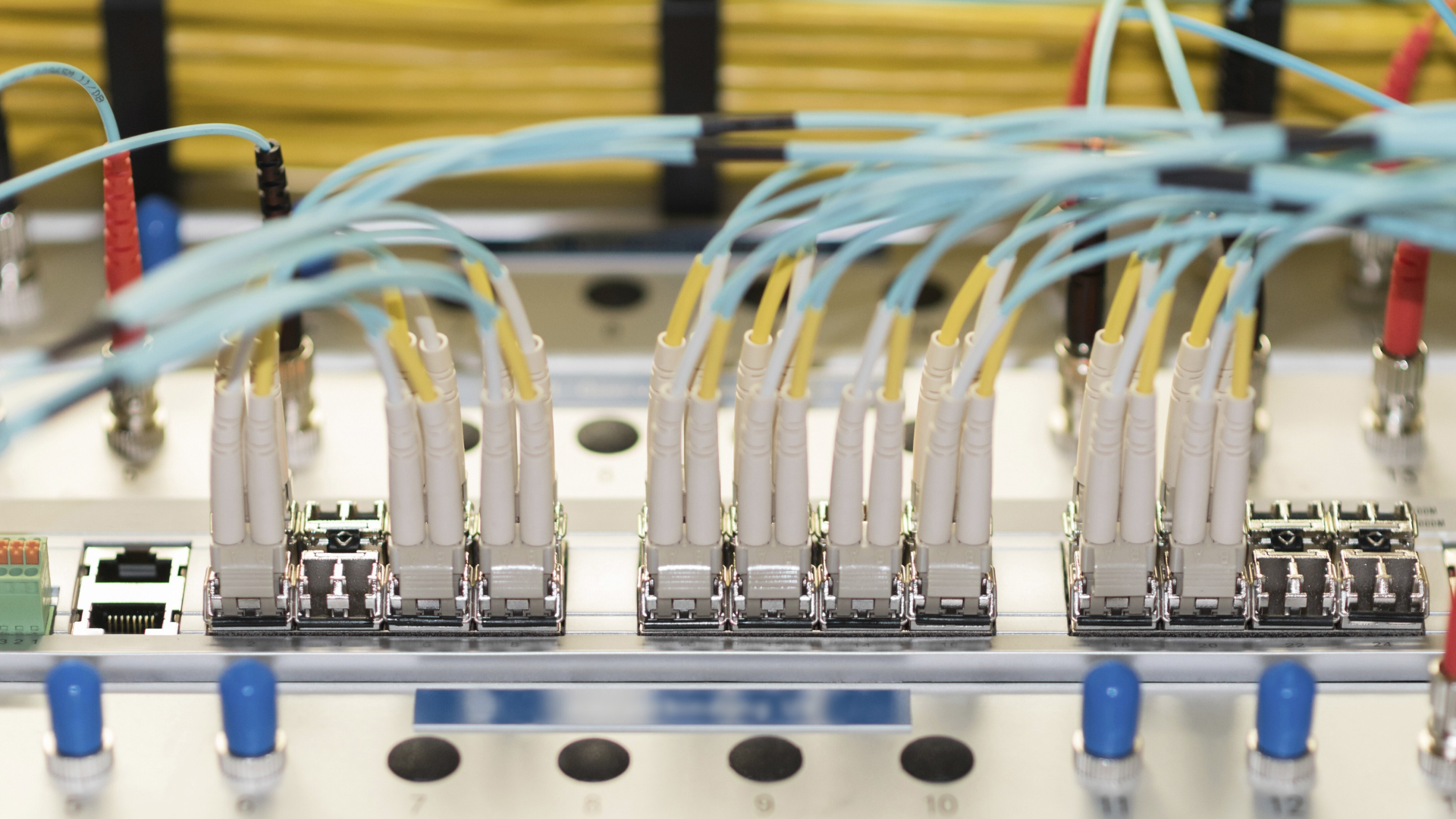
Optical transceivers are small modules that plug into hardware and convert electrical signals into light, allowing data to travel as pulses across fiber optic cables. Data centers are increasingly turning to transceivers and fiber to link AI GPUs and server racks because the approach is faster, has lower latency, uses less power and produces less heat than traditional copper connections.
Chinese companies currently account for 66% of the global transceiver market, according to the article. Barring them from supplying U.S. data centers would remove more than half of available supply and worsen the shortages that have already weighed on the industry.
The FCC is weighing the restriction over concerns that some transceivers could be compromised by Beijing and used to steal data, install malware or remotely disrupt American data centers. The agency previously banned Huawei from U.S. telecommunications networks, but the transceiver market lacks the broad base of established competitors that existed in telecom hardware. Only two U.S. companies, Coherent and Lumentum, make the optical transceivers data centers need, and they lack the scale to fill the gap if Chinese imports were banned today.
The Trump administration has floated a compromise that would ban only Chinese optical transceivers capable of reaching 3.2 terabits per second. That technology already exists, but production is not expected to expand until 2028 and installation would not begin until 2029, which would give American manufacturers time to increase their own output. The proposal remains under consideration.
More AI news from TechManNews.