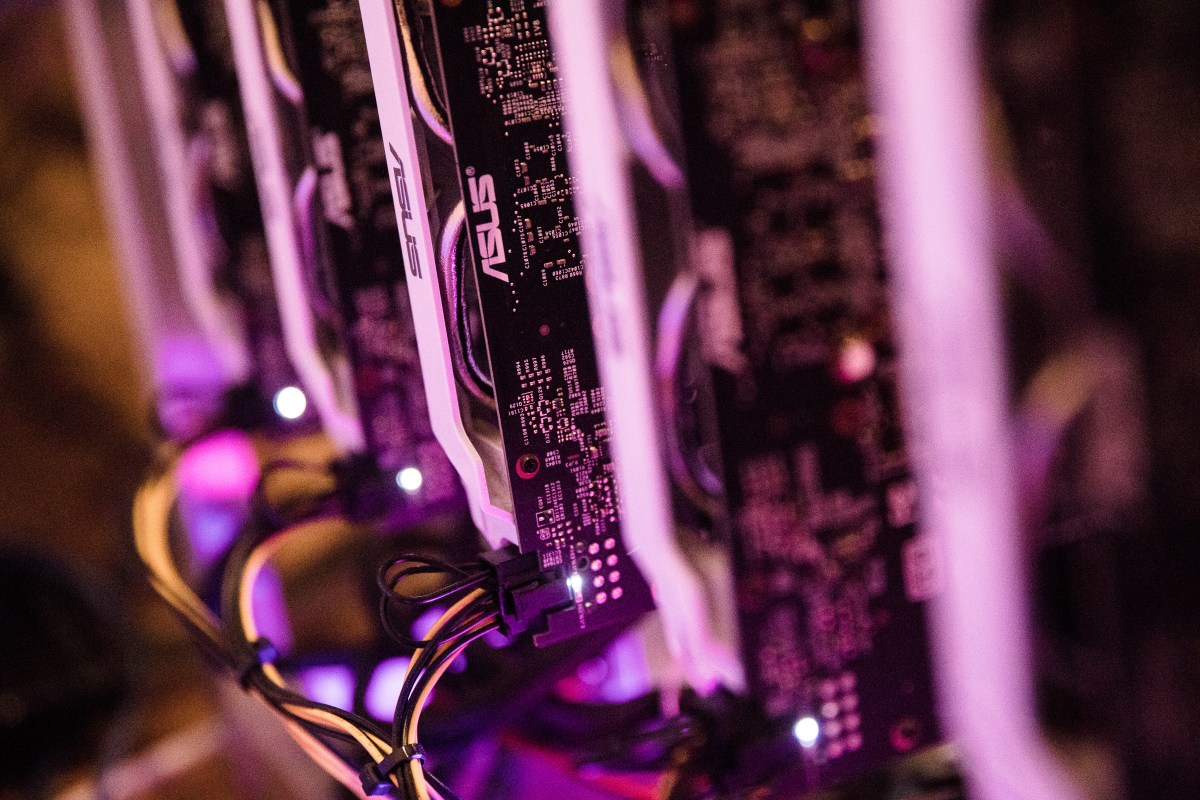
Silicon Data, a startup focused on pricing AI compute, has closed a $30 million Series A funding round. The company aims to become a reference price for GPU rental and to create an index that a Wall Street futures contract could settle against. It plans to launch compute futures trading on the CME on October 5th, pending regulatory approval.
The funding and planned launch come as AI infrastructure spending continues to climb, with hundreds of billions of dollars directed annually into data centers and GPUs. Compute has become the largest single cost for companies building AI products, yet there has been no straightforward method to price it or for firms to hedge against price swings. Silicon Data’s product is designed to address that gap for US financial markets.
Steve Hou, head of research at Silicon Data, discussed the company’s plans and the state of the AI buildout on the TechCrunch Equity podcast. He argued that the data tells a different story than the doom-and-gloom headlines about depreciating chips and stalled data centers. The startup’s index and futures product would give investors and AI firms a new tool to manage the financial risk of compute costs.
The company’s move targets Wall Street’s growing interest in AI infrastructure as an asset class. A futures contract tied to compute prices would allow participants to lock in costs or speculate on future rates, similar to how commodity futures work. Regulatory approval from the relevant authorities is still required before the CME trading can begin.
Silicon Data’s Series A round reflects investor confidence in the need for standardized pricing in the AI compute market. The startup’s founder and research lead did not disclose additional details about the funding participants or the company’s valuation. The October launch date, if approved, would bring a new financial instrument to market for an industry that has seen massive capital outlays.
Beyond the headline numbers, the podcast segment highlighted the broader debate over whether AI infrastructure is overbuilt or still under-supplied. Hou’s comments pointed to current market data as evidence that the buildout remains healthy, contrary to some negative narratives. For US technology companies and investors, the startup’s index could become a key benchmark in tracking the value of compute over time.
More hardware news from TechManNews.