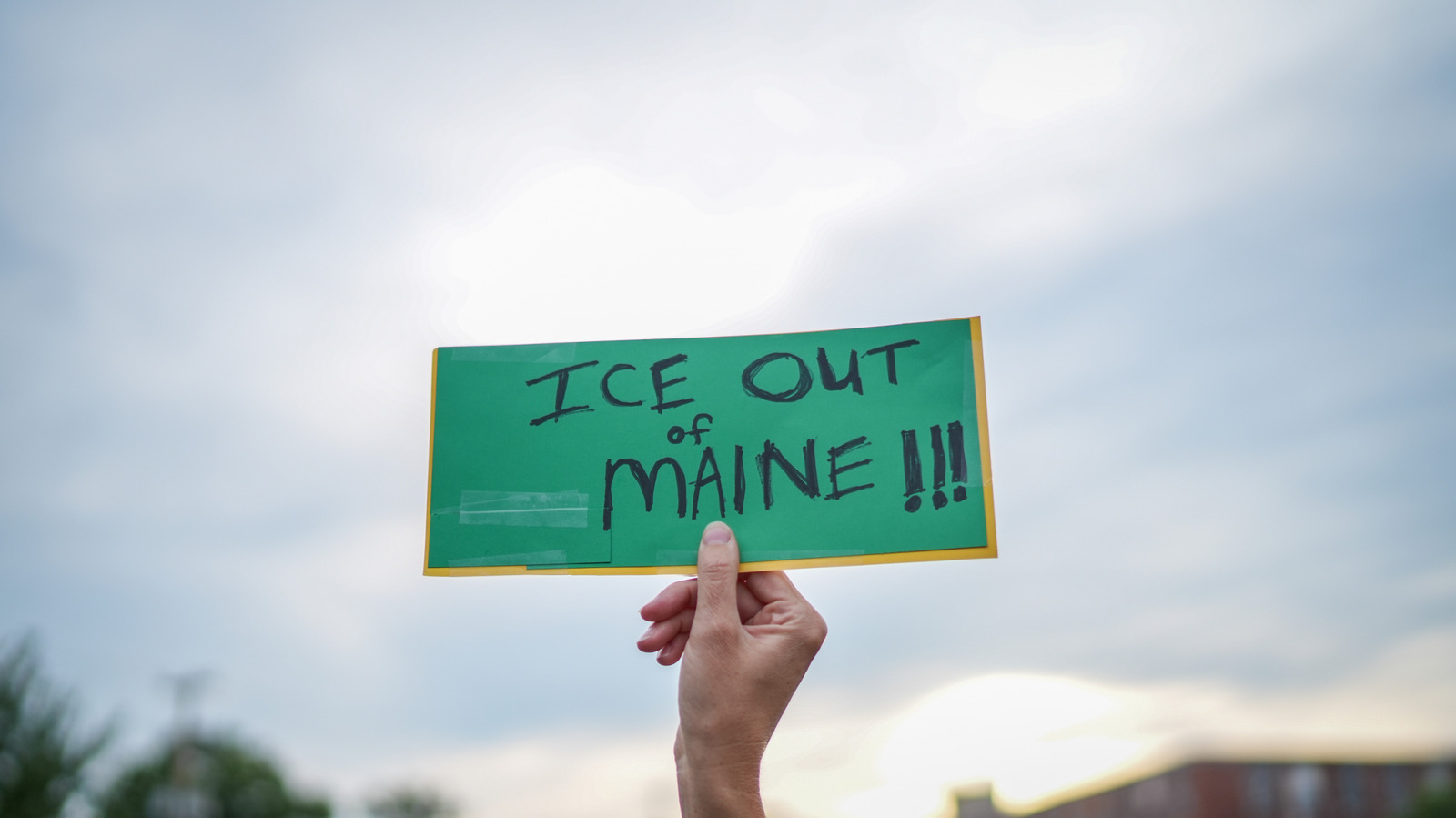
A partially unsealed court filing indicates that Immigration and Customs Enforcement used a Palantir database to build dossiers on protesters, according to Wired. The filing stems from a class action lawsuit and became available to the public in redacted form on Friday. The documents describe an ICE operation that took place in Maine in January.
The lawsuit alleges that Department of Homeland Security agents tracked and intimidated observers and protesters. According to the filing, agents sometimes drove past plaintiffs' homes and labeled individuals as a "Threat to Law Enforcement, Professional Protestor." In one instance, an agent reportedly called a plaintiff on her cellphone and told her to warn her spouse against similar activity, saying people engaged in such conduct could be added to a domestic terrorism watchlist.
Attorneys representing the plaintiffs argue that the database infringes on protesters' First Amendment rights. They said the collection and labeling of protest activity creates a chilling effect on protected speech. The legal challenge is proceeding as a class action.
A Department of Homeland Security spokesperson told Wired that the case is "meritless." The spokesperson also denied the existence of any database that labels and tracks domestic terrorists. The department has not elaborated further on the filing.
The disclosure adds to ongoing scrutiny of government surveillance technology and its use in domestic law enforcement. Palantir's data tools are widely used across federal agencies, and the allegations raise questions about how such platforms are applied to political activity. The case remains active, with the unsealed filing now part of the public record.
More gadget news from TechManNews.