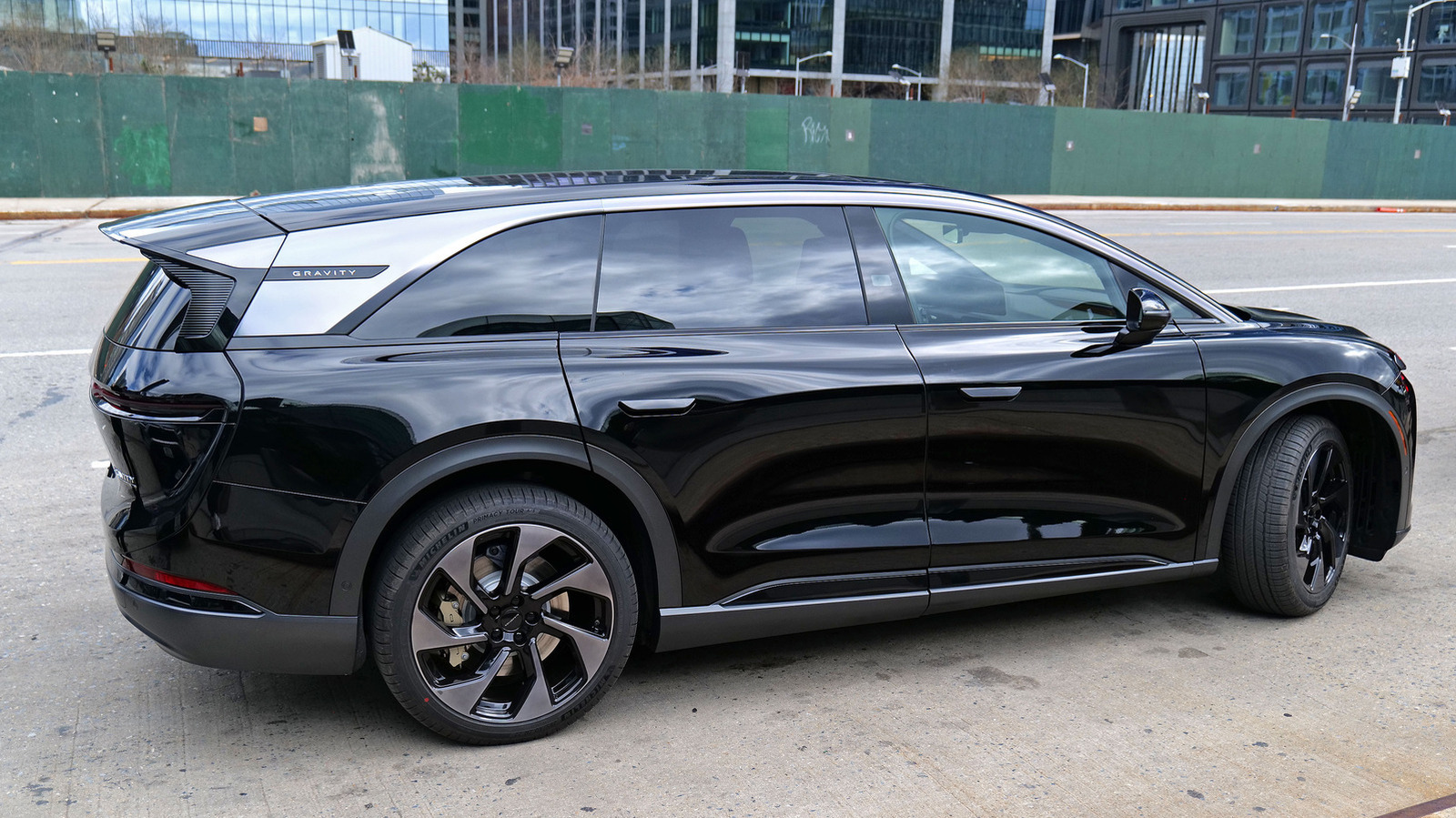
Lucid Motors told investors that poor visibility into its own vehicle inventory contributed to weaker third-quarter results, with CEO Silvio Napoli acknowledging on the company's earnings call that there were times when the automaker did not know where its cars were. The California-based maker of the Air and Gravity luxury EVs said the inventory-control problems delayed deliveries by as much as two weeks, costing it orders from buyers who were unwilling to wait. Napoli's admission came as Lucid reported an earnings underperformance for the quarter, and he attributed lost sales to the logistics breakdown.
The scale of the tracking problem is notable given how few vehicles Lucid produces relative to larger rivals such as Tesla. Lucid built 2,954 vehicles in the quarter and delivered 3,806, a seven percent decline from the same period a year earlier. Producing fewer cars than it delivered helped the company draw down inventory, but it still carried $1.22 billion worth of vehicles on its books at the end of September.
Napoli said the shipping fixes Lucid has made recently should produce a similar improvement to the one Tesla eventually achieved after it ran into supply problems while ramping up the Model 3. Tesla's response at the time included building its own car carriers and acquiring trucking companies, and its sales climbed once those issues were resolved. Napoli said the changes would let Lucid's commercial team sell cars that are known to be available on the day for customers who need them.
Lucid is also counting on a growing US electric vehicle market driven by high gas prices, along with a recently signed deal with the robotaxi company Bolt, and the company said it has positive expectations for the latter half of 2026. Those factors are separate from the supply chain, which the company still needs to stabilize.
Other problems remain for the automaker beyond logistics. Lucid has faced quality-control issues and customer-service complaints, and it lost $831 million in the quarter on revenue of just $350 million, a result of building each vehicle for far more than it sells for. Even so, its primary investor, the Saudi Public Investment Fund, put an additional $1.75 billion into the company.
More company and startup news from TechManNews.