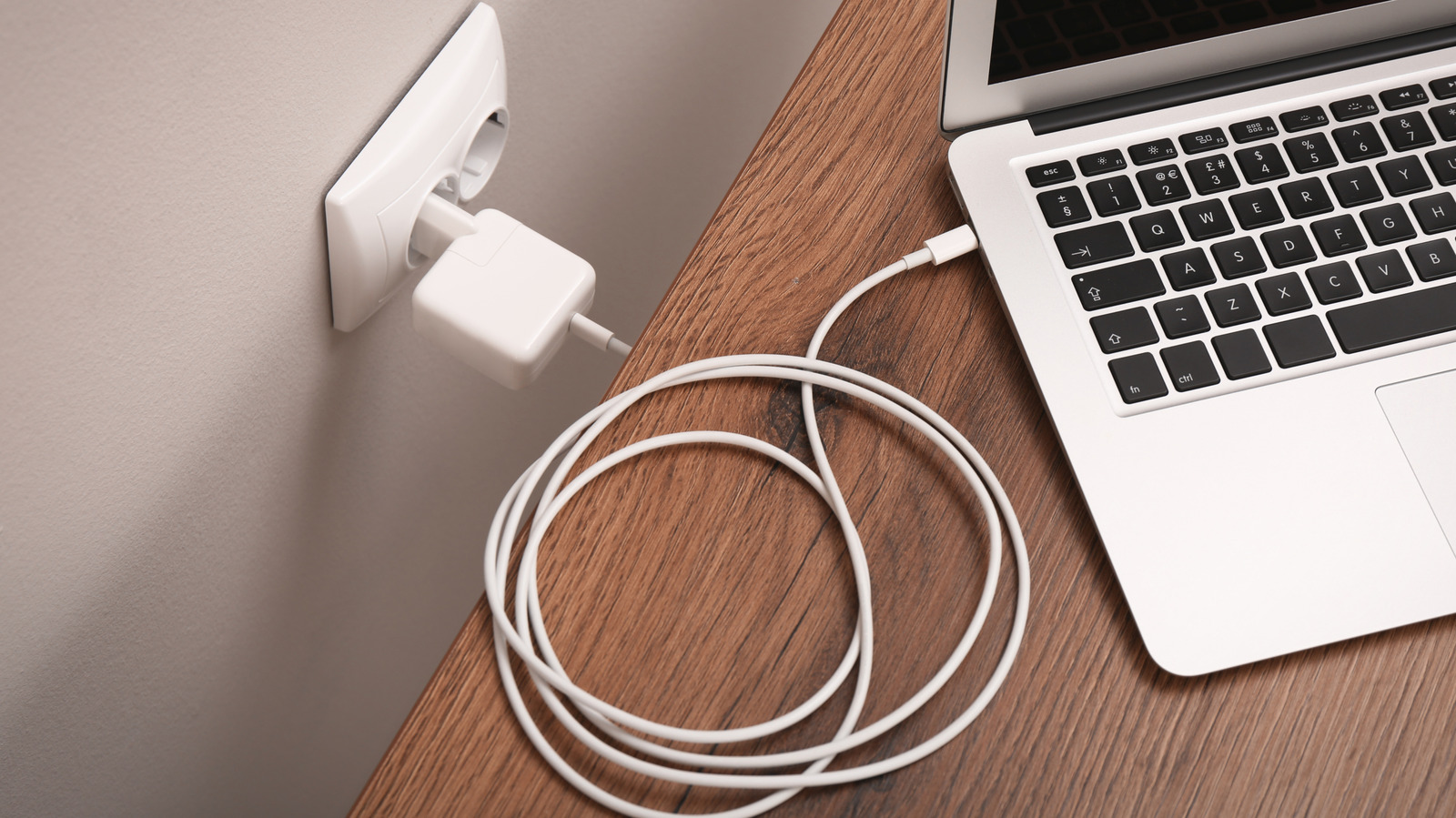
Using a high-wattage USB-C laptop charger to power a smartphone is generally safe, according to charging standards experts, but the outcome depends heavily on the quality of the equipment involved. Modern devices built in the last decade typically support the USB Power Delivery (USB-PD) standard, a protocol developed by the USB Implementers Forum that governs how power flows between a charger and a device. Under this system, the charger does not push power into the phone; instead, the charger transmits its full range of power levels, and the phone accepts the highest level it can safely use. This negotiation process prevents a high-power charger from overwhelming a phone's circuits, as the phone will never absorb more electricity than its internal components are rated to handle.
Charging results vary based on the charger, cable, phone model, and charging protocol in use, and a high-quality laptop charger from a reputable manufacturer is usually fine for a modern smartphone. However, older devices, cheap accessories, and damaged cables can still create problems. If either the charger or the phone lacks USB-PD support, the system still defaults to a safe output, with the phone charging slowly but without risk, even if the negotiation steps are skipped. A non-USB-PD charger connected to a USB-PD phone will cap out at 5V/3A, which is sufficient for a slow, safe charge.
Using a high-wattage charger does not make a phone charge faster than its design allows. A phone limited to 18W or 20W input plugged into a 100W laptop charger will only pull what it is rated for, so more watts on the label simply means the charger has headroom for other devices. This is common with multi-port chargers that advertise 100W, 140W, or higher outputs, as those maximums are meant to cover all plugged-in devices simultaneously. The reverse scenario, using a phone charger to power a laptop, will not deliver the quick charge users expect, and car USB ports are similarly unlikely to produce impressive results for laptop charging.
The main risk comes from uncertified hardware. Counterfeit or poorly engineered chargers often bypass essential isolation barriers between the AC mains and the DC output side, meaning a surge in such a device can pass damaging voltage spikes to a phone. Low-quality cables also pose a hidden danger, as a non-certified USB-C cable may lack the internal pull-up resistor required by the USB-C specification. Users should check for safety certification markings, such as Underwriters Laboratories (UL), Intertek (ETL), or the CE mark, before using any charger.
Beyond smartphones, smaller USB-C devices may not have the microcontrollers needed to properly communicate with a high-power charger, though most fast chargers start at 5V and only step up after negotiation, keeping the risk low. Still, for such devices, sticking to the charger that came in the box is the safer choice. For US consumers, the practical takeaway is that USB-PD compatibility across recent iPhones, Pixel phones, Galaxy devices, and MacBooks makes cross-charging routine, but the quality of the cable and the charger's certification are the deciding factors in avoiding damage.
More gadget news from TechManNews.