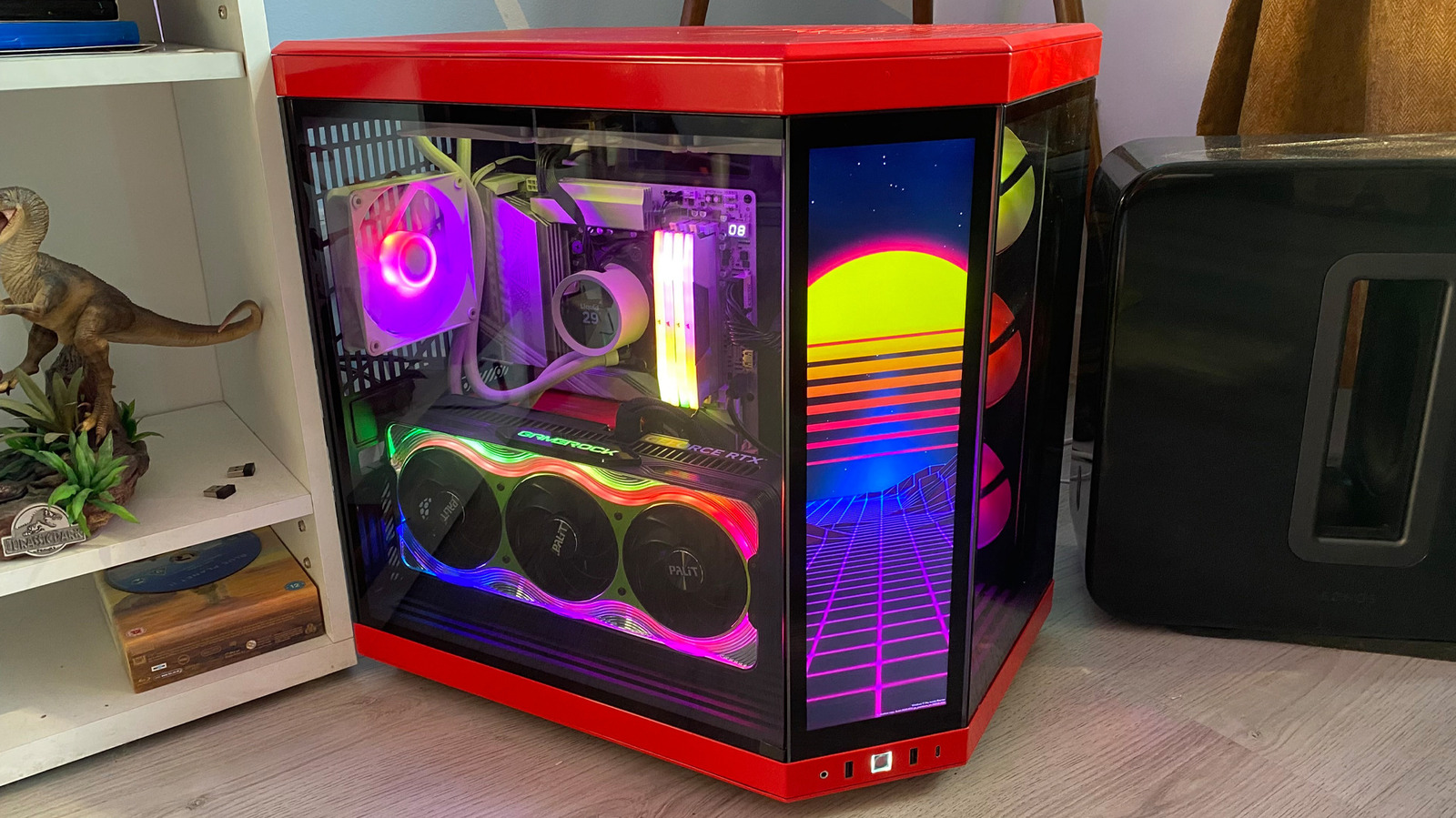
Liquid cooling systems for PCs can cost more than $200 and are more complex to install than traditional air coolers, but they offer superior heat dissipation for high-end gaming machines. Both cooling methods perform the same basic function of moving heat away from the CPU, but they differ in how they achieve that goal. Air coolers rely on a heatsink, pipes, a cold plate, and a fan, while liquid systems use a pump, tubing, coolant, a radiator, and their own set of fans.
The decision between the two typically comes down to the type of PC user. A liquid cooler with a large radiator is better suited for systems aiming to run demanding titles at 4K resolution with high frame rates, as these workloads put heavy strain on the processor. Air coolers, by contrast, are a practical choice for budget or mid-range PCs where the CPU is not under constant heavy load, and they are cheaper, simpler to install, and generally last longer.
In a liquid cooling loop, thermal paste is applied to the top of the CPU to help transfer heat to a copper plate on the water block. The heat then passes into the liquid, and a pump directs that warmed coolant to a radiator, where fans dissipate the heat before the liquid cycles back to the block. Custom loop systems take this a step further, allowing the builder to select every component individually, including the reservoir that stores coolant and feeds the pump, and they can be configured to cool a graphics card as well as the CPU.
For owners of top-tier processors like the AMD Ryzen 7 9800X3D, the article suggests a liquid cooler is a worthwhile investment. One example cited is the NZXT Kraken 360, a 360mm all-in-one cooler that offers customization through an app and provides enough thermal headroom to run demanding games at 4K and high frame rates without overheating. High-end liquid coolers can also operate at quiet noise levels and offer more visual appeal than fan-based alternatives, though cheaper liquid units may be noisier.
There are downsides to liquid cooling beyond the upfront cost. Installation is trickier because the radiator must be secured inside the case in addition to mounting the pump. The pump itself will wear over time, and there is a possibility, albeit a low one, of leakage that could damage other PC components. Air coolers require very little maintenance after installation.
For the majority of gamers, the article concludes that an air cooler is the more sensible option. Unless a system pairs a high-end processor like an Intel Core i9-14900K with a Nvidia GeForce RTX 5090, liquid cooling is likely unnecessary. Casual users with mid-range components will find air coolers sufficient, as long as they are comfortable with the appearance of a large heatsink in a case with a transparent side panel.
More hardware news from TechManNews.