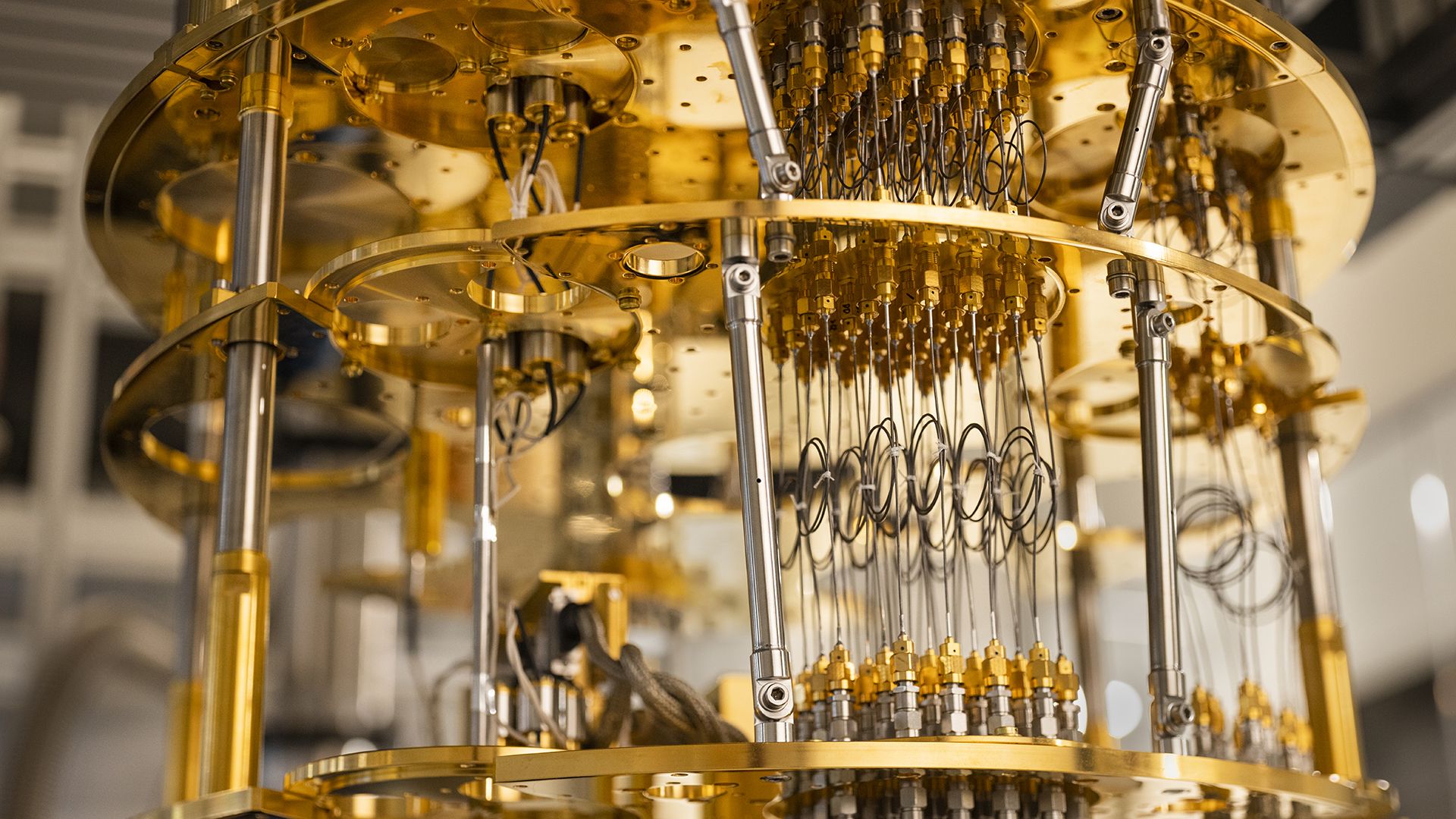
Intel plans to acquire Classiq, a company whose hardware-agnostic quantum software development platform lets engineers design, synthesize, optimize, simulate, and execute quantum algorithms through high-level programming tools and AI-assisted automation. The deal, which Intel expects to close in the first half of 2027, is intended to move the company's decade-old quantum work from research and development into a commercial business. Intel also plans to make quantum processors using specialized versions of its 18A process technology, offer foundry services, and eventually sell complete quantum computers. The company expects the business to become profitable but acknowledges that commercial success will take time.
Pushkar Ranade, Intel's chief technology officer, said during a media briefing that the company's quantum computing group had been purely a research and development project for the last ten years and was not really viewed as a commercial activity. Intel's quantum effort began in 2015 with a research collaboration with QuTech, the quantum research institute of TU Delft and TNO, focused on technologies including silicon spin qubits. The company later developed Horse Ridge, a cryogenic control SoC made on a 22nm process, in 2020, and introduced Tunnel Falls, a 12-qubit silicon spin processor built on a 300mm wafer, three years later.
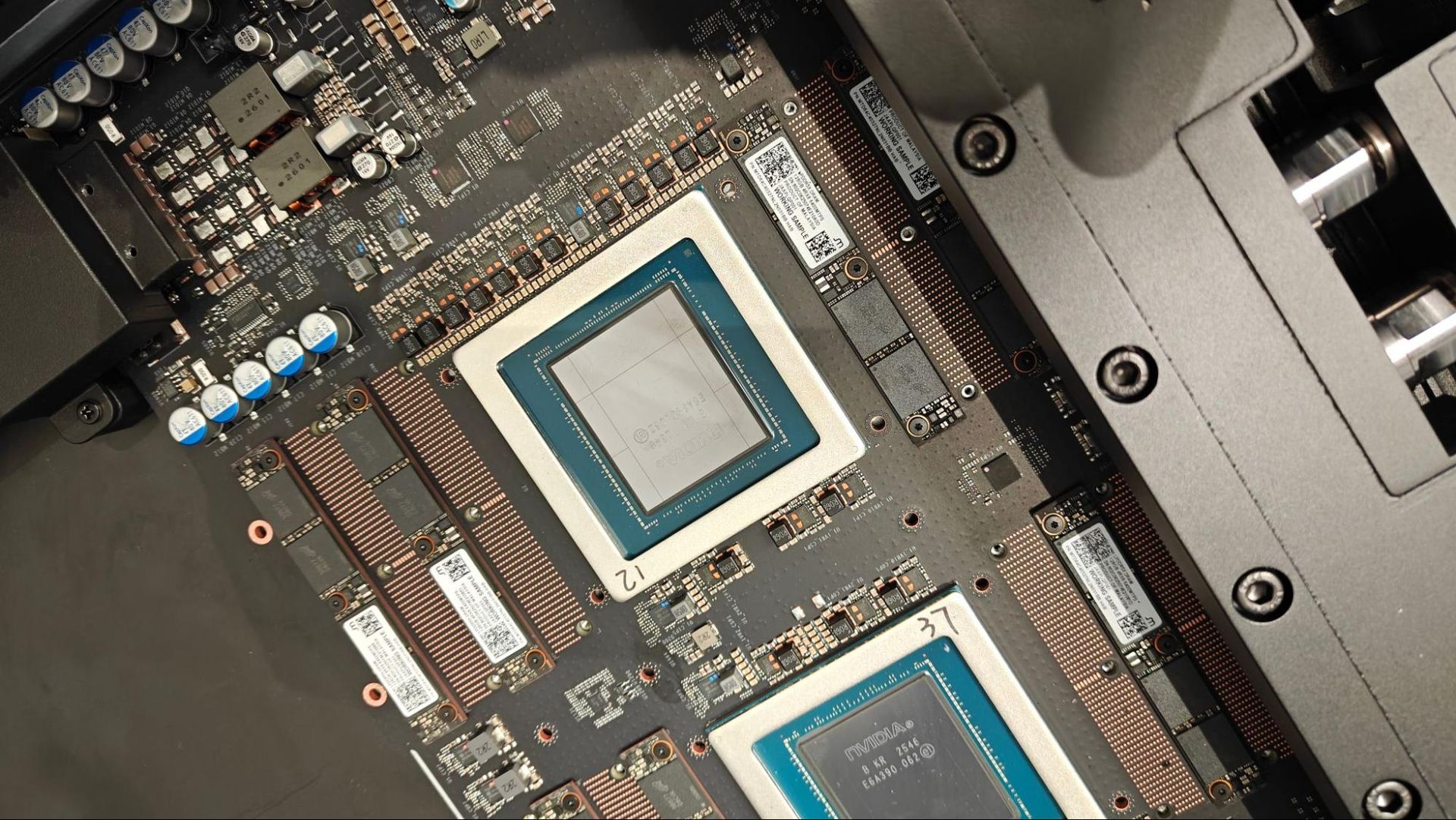
Intel's approach centers on silicon spin qubits, which store and manipulate quantum information using the spin states of individual electrons. The company chose that path partly because these qubits can be manufactured with equipment and processes similar to those used for conventional semiconductors, allowing Intel to reuse most of its existing manufacturing infrastructure. Intel has developed two specialized versions of its 18A technology for quantum computing: 18A-Q for silicon spin-qubit processors and 18A-CC for cryogenic control and readout electronics. Intel collaborated with Hitachi, AIST, and NEDO on 18A-Q.
Ranade said the qubit device requires a unique process, including a specialized thin-film stack and additional manufacturing tools, but fits the design rules and can be made in the same fab as Intel's CPUs. According to Intel, more than 90% of the process equipment is identical to that used for conventional semiconductor production. Intel 18A-CC uses 18A-based geometry but needs additional characterization for operation at cryogenic temperatures. Intel says manufacturing quantum processors alongside conventional CPUs in existing fabs could lower the capital expenditure needed to scale production.
Intel already offers a Quantum SDK with a C++-based compiler, runtime environment, and simulator for hybrid quantum-classical applications. Classiq's platform would sit above those tools, giving programmers without deep quantum expertise an application-development environment. Intel has compared the software layer's potential significance to Microsoft's MS-DOS, Nvidia's CUDA, and EDA tools. Unlike Intel's quantum hardware business, Classiq already has commercial customers and revenue: it employs about 130 people, serves more than 50 enterprise customers including BMW, Comcast, Lufthansa, Rolls-Royce, and Toshiba, takes part in more than 10 national quantum computing programs, and supports over 50 quantum processors and simulators.
Ranade described Classiq's revenue and expected growth as healthy but did not disclose financial figures, saying the company has strong revenue this year and a strong revenue CAGR over the coming years. Intel intends to preserve Classiq's hardware-agnostic approach, allowing it to keep supporting quantum processors and simulators from competing vendors. That is important for maintaining existing customer relationships and expanding revenue, since clients can develop quantum applications without committing to a particular hardware architecture.
More hardware news from TechManNews.