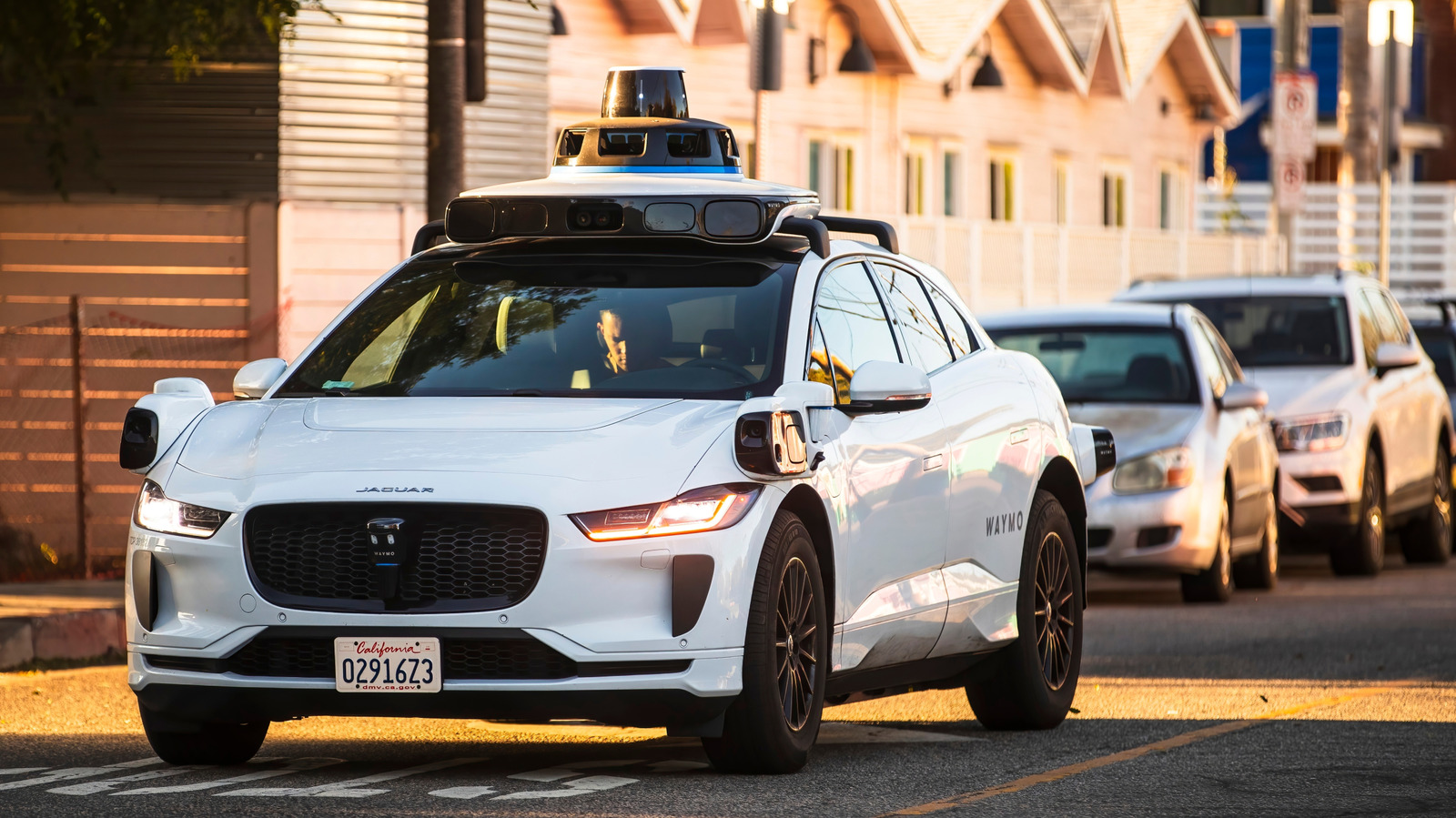
Waymo’s automated driving system is classified as SAE Level 4, not the highest possible level, despite the cars’ ability to complete trips without anyone in the driver’s seat. Under the Society of Automotive Engineers’ framework, the distinction comes down to the conditions in which the system may operate, not how independent the driving appears. Level 4 means the system can handle the entire driving task within a defined set of boundaries, while Level 5 removes those boundaries entirely. That boundary set, known as the operational design domain, covers geography, road types, and weather conditions the system is designed for.
The six SAE automation levels run from 0 through 5, and the National Highway Traffic Safety Administration begins its breakdown with Level 0, where a human does all the driving. Level 1 assists continuously with either steering or acceleration and braking, and Level 2 handles both simultaneously, with the driver still responsible for the car. Level 3 shifts responsibility: the system takes over the full driving task under certain conditions, but a human must remain available to take control when asked. At Level 4, that requirement disappears, making occupants passengers within the system’s intended operating domain.
Waymo can describe its service as fully autonomous without claiming Level 5 because its cars’ ability to operate without a driver still has defined limits. That is why improvements to the system do not change its classification. Waymo says its sixth-generation Driver has expanded capabilities for more diverse environments, including extreme winter weather, but expanding to new cities or conditions still keeps it within a defined operation design domain. As long as those boundaries exist, the system remains Level 4.
Weather provides a concrete example of those limits in the US market. In May 2026, Waymo vehicles encountered flooded roads in Atlanta and San Antonio, leading the company to suspend or restrict some operations while it worked on improvements. Waymo’s published safety research describes the Waymo Driver as an SAE Level 4 automated driving system, which explains why an empty driver’s seat does not automatically mean Level 5.
Evaluating a Level 4 system is itself complicated, as Waymo noted in its 2026 research on collision-avoidance testing. The company said the potentially enormous number of operational scenarios where a hazardous situation might develop makes such evaluation difficult. Its methodology identifies potentially hazardous scenarios using human driving data, data from Waymo’s automated-driving tests, and expert knowledge.
NHTSA currently says Level 5 technology is not available in vehicles for consumer purchase, and the SAE levels describe capabilities rather than a development roadmap. There is no reliable countdown for when Level 5 will arrive. For now, even a car that drives itself through city traffic without a human present remains Level 4 when it operates only within its designated domain.
More gadget news from TechManNews.