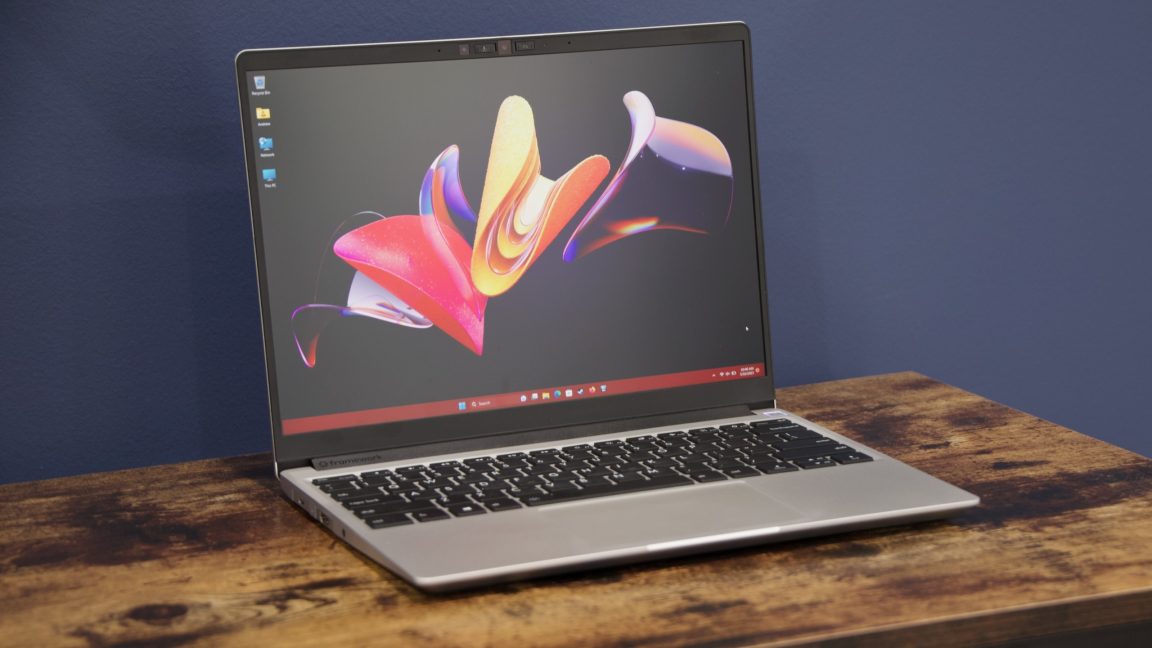
Framework is responding to user complaints that a recent BIOS update for its Ryzen 7040-based Framework Laptop 13 devices can fail during installation, leaving the machines unresponsive. The company’s BIOS 3.20 update, released in June 2026, was designed to add support for features such as a haptic touchpad and new speakers for the higher-end Framework Laptop 13 Pro, and to fix an issue where Battery Extender status was misreported after a reboot, hibernation, or shutdown. However, multiple users on Framework’s forum report that the update process stalls, showing a black screen with a progress bar that does not move, and that the power button becomes unresponsive, effectively bricking the laptop.
One user, identified as Sven, posted in July that the update had been stuck for about three hours, with no way to power down or reboot the machine. Framework acknowledged the problem in a statement to Ars Technica, saying it has received reports of a small percentage of Framework Laptop 13 7040 Series BIOS updates resulting in non-bootable boards. The company said it is investigating the root cause of the issue. Reports of BIOS upgrade problems on these devices date back to at least March 2025, according to the source article.
Some users who encountered the issue after the most recent BIOS update say Framework support told them they needed a new motherboard, but that the company would not provide a free replacement because the customer was past warranty. Framework said that in addition to replacing in-warranty mainboards, it is making exceptions for out-of-warranty replacements where it can confirm a stable-release BIOS update caused the board to become non-bootable. The company is also introducing a "Crisis Recovery Mode" BIOS functionality to allow failed updates to be directly recoverable, noting that its latest Framework Desktop BIOS release includes this feature and that it is working to bring it to Framework Laptop 12, 13, and 16 in upcoming BIOS release cycles.
The source of the problem remains unclear, but blogger Guanzhong Chen wrote a detailed post this week about their experience with a motherboard failure, suggesting the issue stems from a software bug that displays random memory on the screen, particularly since similar problems have occurred with other BIOS versions. Chen, a software developer who was ultimately able to flash the firmware onto their motherboard after a support representative reportedly advised buying a new one, also noted that the firmware flashing process runs slower in regular operation than a cheap 15 MHz programmer over pogo pins, questioning what the software is doing under the hood. Framework has not yet provided further details on the root cause or the number of affected customers beyond acknowledging the reports.
More gadget news from TechManNews.