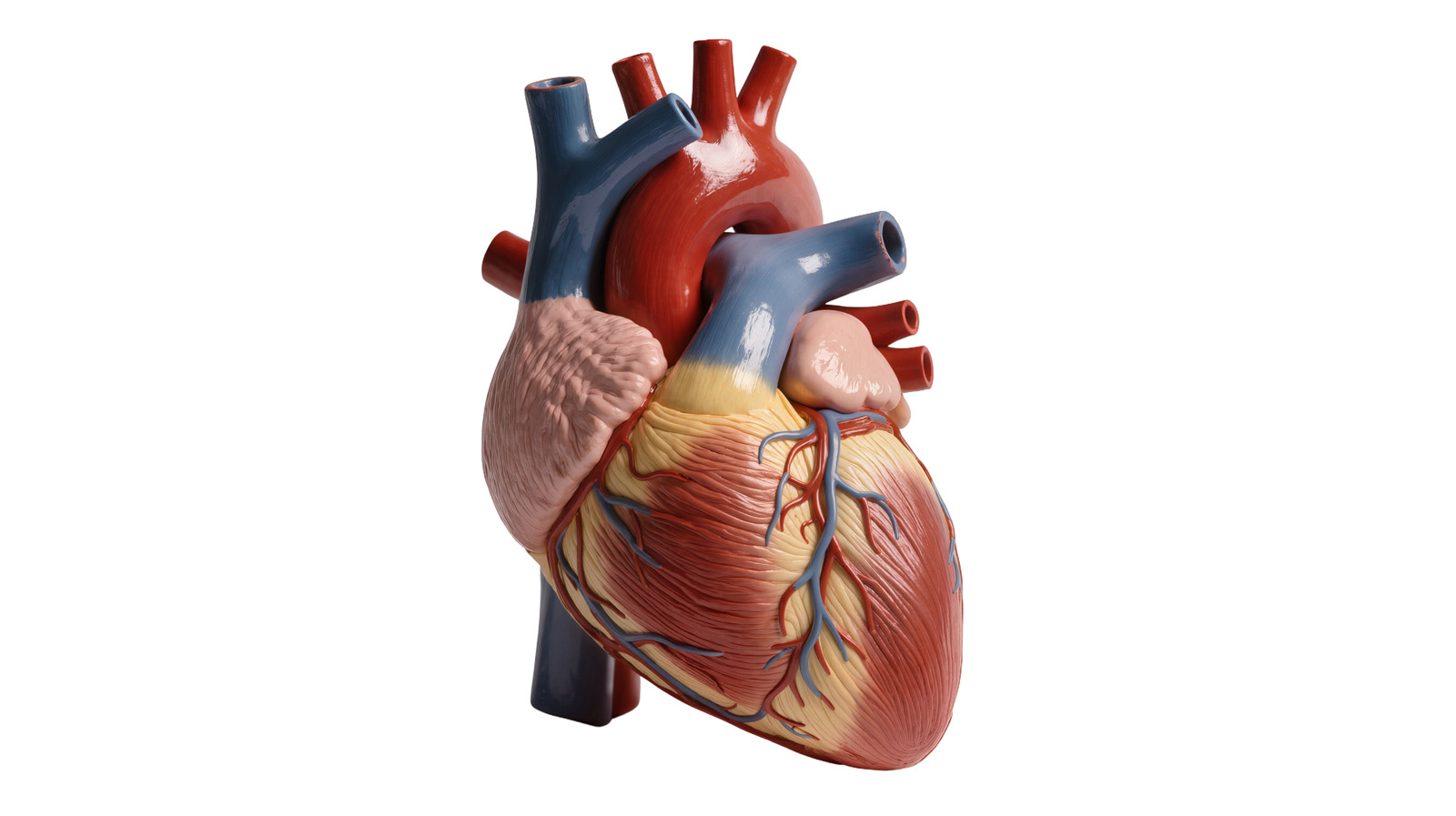
The Food and Drug Administration has approved the first heart valve that can be enlarged after it is implanted, allowing it to keep up with a child's growth. The Autus Size-Adjustable Valve was designed by Edwards and is an artificial pulmonary valve intended for pediatric patients. The agency's approval means children born with certain heart defects may avoid the repeated operations that current artificial valves require.
Congenital heart disease affects roughly 400,000 children born in the United States each year, based on a study published in the National Library of Medicine. About 30 percent of those cases involve the valves, the tissue flaps that act as one-way doors to keep blood moving in the proper direction. Two abnormalities of the pulmonary valve, which sits on the right side of the heart, are stenosis and atresia: the first is a narrowing of the valve, and the second is a failure to form normally. The Centers for Disease Control and Prevention says the two conditions together affect about 4,200 babies born in the country annually.
Artificial pulmonary valves have existed for years, but they generally force patients into a series of surgeries as the child outgrows each implant. The Autus can be implanted at a diameter as small as 13 millimeters in toddlers and preschool-aged children, and it can be expanded to a larger size before surgery if the patient is older. Its distinguishing feature is that it can also be widened from inside the body.
A balloon catheter, a thin tube with an inflatable balloon at its tip, is used to enlarge the Autus after surgery so the valve can keep pace with the child's growth. The valve can reach a maximum diameter of 22 millimeters, comparable to artificial valves made for adults. Because it removes the need for additional operations, the device lowers the risks faced by children with congenital heart disease.
The Autus is also the first adjustable valve to use polymeric material for its flaps, according to the FDA. Implants commonly rely on synthetic flaps made from animal tissue, which tends to stiffen and degrade faster in children and can lead to still more surgery. The FDA says follow-up data gathered after one year indicates the Autus holds up better over time than other models.
More gadget news from TechManNews.