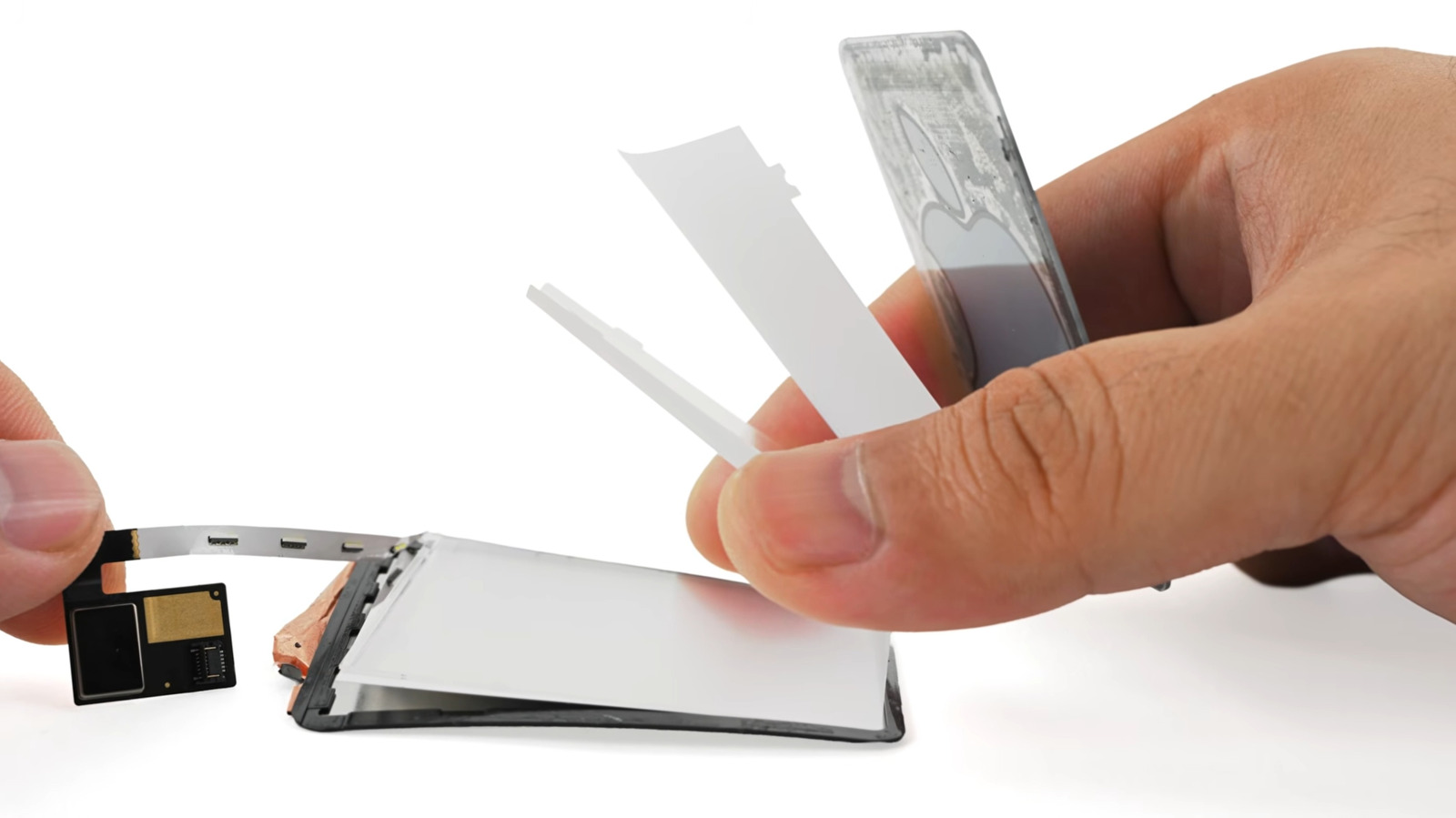
Metalenz, a Boston-based optics company, has acquired the Israeli startup PxE Holographic Imaging, bringing in a technology the companies say can greatly increase how much light a smartphone camera sensor captures. The deal's financial terms were not disclosed. The acquisition centers on PxE's HoloCoder, a microscopic optical layer that sits directly on an image sensor and bends light waves toward the sensor's pixels instead of absorbing them.
The technology addresses a long-standing limit in phone cameras. The Bayer filter, a red, green and blue layer created in 1974 that sits above the sensor to add color, absorbs and wastes roughly 60 percent of incoming light because it blocks unwanted wavelengths. According to Metalenz, the HoloCoder's approach allows a sensor to collect up to 2.5 times more light, which could substantially improve low-light photography and dynamic range, including high-contrast scenes such as a selfie taken in front of a bright window.
The HoloCoder also captures 3D depth information at the same time. Most smartphones rely on secondary cameras, dedicated depth sensors or AI guesswork to judge distance for features such as portrait mode. Combining light sensing and depth sensing in a single layer could simplify the electronics on the back of a phone, saving space and processing power. The depth capability could also aid autonomous robots and vehicles without multiple sensors or bulky lidar systems.
Metalenz launched publicly in 2021 and has shipped more than 300 million metasurface optics, a flat-lens system with nanostructures that bend light and reduce the need for multiple lens elements. CEO and cofounder Rob Devlin told Wired that PxE's approach mirrors his company's and that Metalenz has already replicated the technology in the lab using its own metasurface optics. He argued that once light information is lost to absorption, software cannot recover it, no matter how much companies such as Apple, Samsung and Google spend.
Metalenz is also working with Qualcomm on a facial biometric authentication system for Android called Polar ID, intended to rival Apple's Face ID and expected on consumer devices at the end of 2027. Devlin said the two technologies will remain separate products for different markets for now but could eventually merge into one Metalenz system. He expects the HoloCoder could appear in consumer electronics as early as late 2027 or early 2028.
Not everyone is convinced the impact will extend beyond phones. Arka Majumdar, a University of Washington researcher who studies low-energy opto-electronics, agreed that removing the color filter can meaningfully help low-light smartphone photography. He noted that Samsung and a startup called Eyeo are researching their own alternatives to Bayer filters, known as color routers. But he was skeptical the technology would transform robotics and self-driving cars, where space for stereo cameras or lidar is not the constraint and computing power is, adding that better data could arguably make matters worse.
More gadget news from TechManNews.