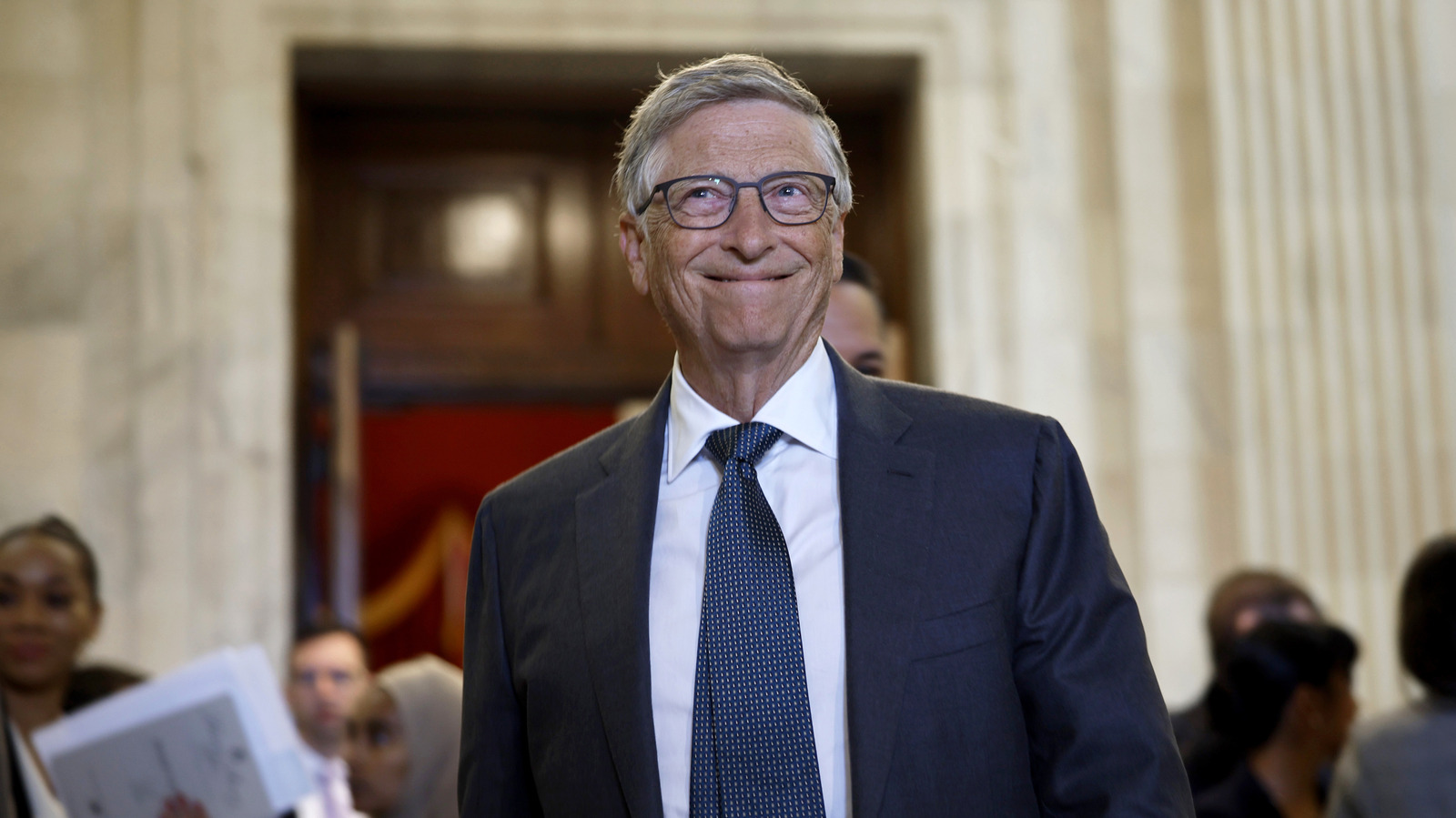
Microsoft co-founder Bill Gates said it would be completely irresponsible for artificial intelligence to be developed without safeguards, arguing that the greater and more immediate threat comes from people who intend to misuse the technology. Gates made the comments during an interview in which he was asked about efforts to regulate AI. He pointed to bioterrorism and large-scale financial fraud as examples of the harm that bad actors could cause with access to AI tools. His remarks place him among the prominent technology figures weighing in on how governments should oversee the fast-moving industry.
Gates said the most dangerous element of the current landscape is people with bad intent who use AI, describing the combination of such individuals and the latest AI tools as a weapon more powerful than anything seen before. The Microsoft co-founder separated that concern from other proposed remedies, including a kill switch floated by California governor Gavin Newsom as part of a broader solution. Gates said he would never want to say he is against a kill switch, but he added that the approach would not address what he considers the more imminent danger.
Newsom's proposal has entered a broader policy debate in California, home to many of the largest AI companies and a frequent source of US technology regulation. Gates did not endorse or reject the kill switch idea outright, instead framing it as insufficient for the threat he described. The distinction matters for US policymakers weighing how aggressively to intervene in AI development, because the two approaches target different risks: deliberate misuse by bad actors versus a system behaving in unintended ways.
On legislation, Gates supported law enforcement and politicians joining the conversation about what safeguards and monitoring AI companies should incorporate. He said that approach would add some overhead to the industry, but he did not expect it to cause a dramatic slowing of what those companies are doing. The position suggests Gates favors oversight that includes monitoring requirements rather than measures that would halt development. His comments come as federal and state officials continue to debate where the balance between innovation and safety should fall.
Gates' remarks also reflect the divide over whether the most urgent AI risks come from the technology itself or from the people who use it. By emphasizing bad actors, he placed the priority on how AI tools can be applied to carry out harmful acts, including bioterrorism and mass financial fraud. The comments were reported as the debate over AI safeguards continues in the United States, where California has been an active source of proposed regulation.
More AI news from TechManNews.