Zain Javaid, 19, has raised $11 million in seed funding for Ghost, a company building hardware designed to run personal AI agents. The round, announced Monday, was led by Andreessen Horowitz and included Abstract, Audacious Ventures, SV Angel, and Nova. Ghost is emerging from stealth after a year of development. Javaid, who previously worked as a quant, said the release of ChatGPT in 2022 sparked his interest in personal AI and led him to found the company.
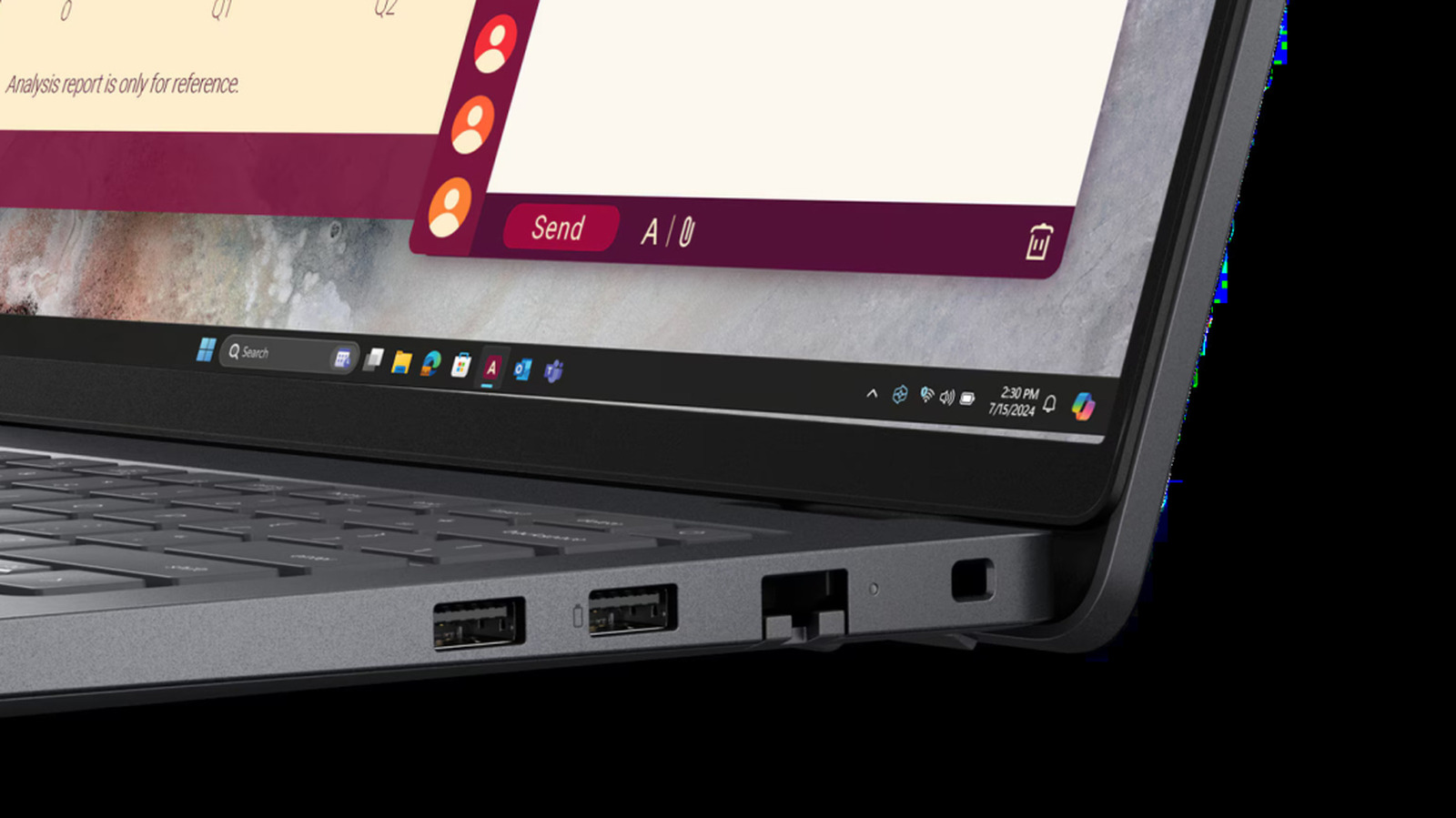
Ghost's first product is Core, a personal computer built specifically for AI agents that can act on a user's behalf. The system is meant to centralize a person's data, from desktop files to apps to smart home devices, into one piece of hardware that continuously runs agents capable of assisting, performing tasks, and understanding a user's life. Javaid, who serves as Core's CEO, said running models on existing hardware is a poor experience on multiple levels. The founding team also includes Nicholas Chua, 19, Yifei Chen, 24, and Gautam Sharda, 23.
Core ships with an Nvidia RTX Pro 4000 SFF Blackwell GPU, a chip commonly used to run AI models, bundled into the device's price. It runs its own software layer, browser, and filing system, and can process information and tasks without constant prompting. The computer costs $3,499. Preorders for the first batch opened Monday, with shipping scheduled for the last week of October. The team builds the units at its San Francisco facility.
Javaid described Core as a screenless brain in a box that users access through a phone or app, with voice mode available through the Core app rather than the box itself. Three models come preinstalled: Qwen-3.8-Next, Qwen-3.8-27B, and Gemma-4-31B. Users can install additional models from Hugging Face or load their own trained models. Asked how Core differs from Apple's Mac Mini, Javaid said Core's hardware and software are purpose-built for agents with models already installed, while the Mac Mini is a general-purpose computer that can be configured for AI. He compared the company's over-the-air model updates to how Tesla operates, adding that users can choose whether to switch when new model generations arrive or enable auto-updates.
Javaid said the models and personal memory run locally, and that personal information is encrypted so that no cloud provider or third party, including Ghost, can meaningfully access it. Users control how much autonomy their agents receive, and the device is programmed to keep working if Ghost shuts down, with source code, logic, and model weights stored on the device rather than on services. The team is also building a firewall that monitors every outgoing network request and rejects and flags any sanctioned action or suspicious data transfer it detects. Javaid said users own the device, memory, and data, which are stored, run, and processed on the hardware after purchase.
Javaid said he is not overly concerned about competition from established technology companies, arguing that observers sometimes credit incumbents for having built a product simply because they possess the ingredients. He credited Apple with strong hardware and disruption but said much of what Core addresses is software: how a model reasons over a person's life, remembers, takes action, and knows when to reach out. He offered an example in which Core notifies a user of possible illness after detecting an elevated resting heart rate, late-night computer activity, and San Francisco's flu season. Javaid said the company's main focus is building a product people love, and that if it fails to do so, Apple will not be the reason.
More company and startup news from TechManNews.