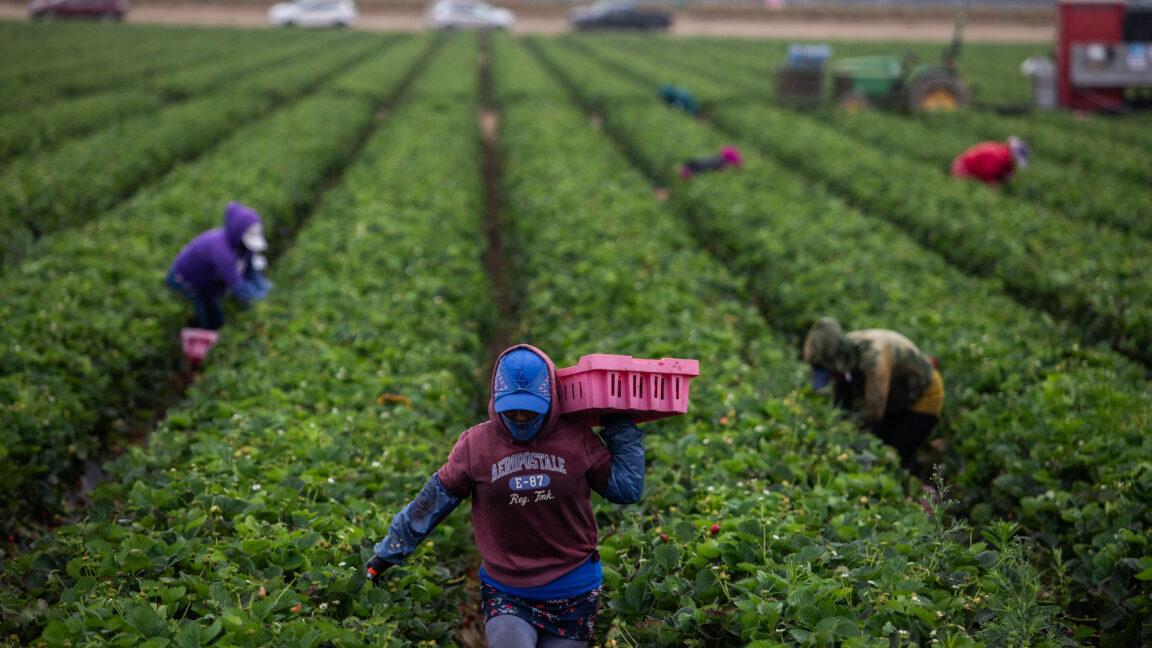
Rising global temperatures are making pesticide exposure more dangerous for the roughly millions of farmworkers in the United States, according to a new report from the Union for Concerned Scientists, an advocacy group. Heat stresses the body, increasing its vulnerability to toxicants, while protective clothing worn in hot conditions adds to that strain. Warmer weather also accelerates evaporation, leading to more pesticide applications and thus greater exposure. Higher temperatures can also speed up chemical transformations, turning pesticides into more toxic compounds.
Omanjana Goswami, a scientist in the food and environmental program at the Union for Concerned Scientists, explained that airborne pesticides are inhaled through the nose and can be absorbed through the skin. Sweating opens pores, which increases skin absorption. She described the situation as awful, with no other word for it. The report also notes that rising temperatures will likely expand pest and pathogen ranges and boost weed growth, leading to increased pesticide use.
The problem hits a particularly vulnerable population, as most U.S. farmworkers were born abroad and are people of color. Jeannie Economos, pesticide safety and environmental health project coordinator at the Farmworker Association of Florida, called the workers "landless farmers" and framed the issue as environmental injustice. She said that access to capital, land, and fair regulations could allow them to be farmers, but legal status and demeaning immigration conditions push them into farmwork. Field workers who do not directly handle chemicals account for most reported poisonings, the report said.
Many employers fail to post warnings about recently sprayed fields, provide protective gear, or offer training on its use. Research cited in the report shows that protective PVC gloves can break down at higher temperatures, becoming less impervious to chemicals. Family members and close contacts are also at risk when they encounter pesticide residue on workers' skin and clothing. Chronic exposure is linked to cancer, depression, diabetes, neurodegenerative diseases, and reproductive issues, according to the report.
Economos said the organization tells workers not to pick up their children after a shift until they have removed their clothes and showered, to avoid contaminating them. Heat itself is the leading weather-related killer in the U.S., with 1,042 worker deaths related to heat documented between 1992 and 2022, or about 34 per year, according to the Occupational Safety and Health Administration. Excess heat can impair the body's temperature regulation, leading to cramps, exhaustion, and heatstroke, and can worsen respiratory, cardiovascular, and diabetes-related conditions.
Federal and state regulatory protections for farmworkers from heat remain limited. OSHA proposed a new standard in 2024 to define employer obligations and require heat hazard evaluations, but the proposal is moving forward slowly. California, Colorado, Maryland, Minnesota, Nevada, Oregon, and Washington have state-level heat protections. In contrast, Florida and Texas have banned local heat protections; Florida lawmakers in 2024 blocked local governments from establishing such rules after Miami-Dade County considered a proposal requiring water and rest breaks at a heat index of 95 degrees. Economos stressed that farmwork is skilled and dignified, urging that workers be elevated rather than dismissed.
More technology news from TechManNews.