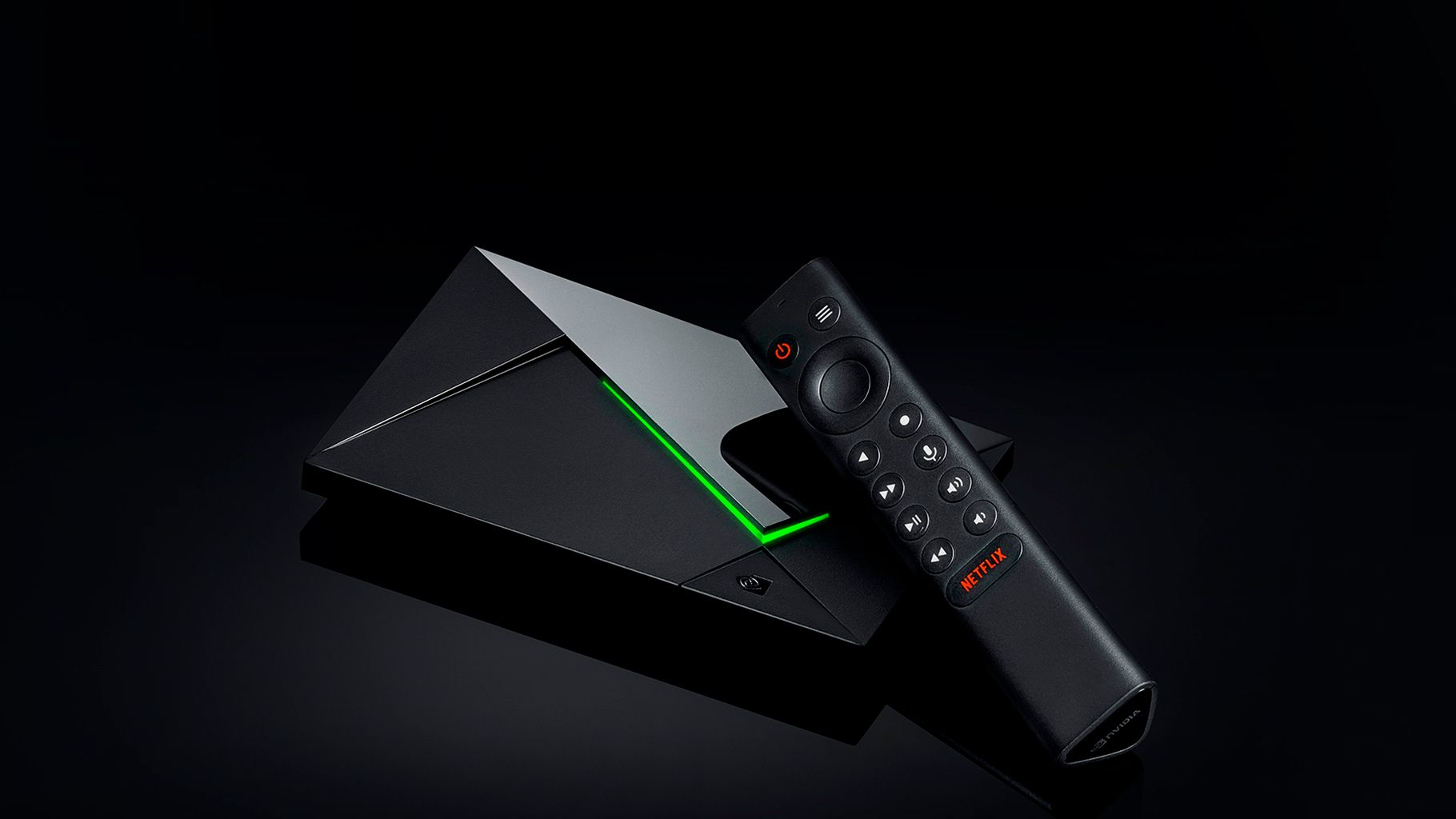
Nvidia has raised the price of its Shield TV Pro by roughly 50 percent, with the seven-year-old streaming device now selling for $299. A company spokesperson told Ars Technica that the new price took effect on October 2, citing substantially higher component costs, including memory, across the industry. The increase arrives as Nvidia discontinues the standard Shield TV, reportedly ending production of the base model and leaving the Shield TV Pro as the only streaming device sold under the Shield brand.
The Shield TV Pro has remained on the market since its launch thanks to hardware and features that go beyond typical streaming boxes. It runs on Nvidia's Tegra X1+ processor with 3GB of RAM and 16GB of internal storage. It also includes two USB 3.0 ports, Gigabit Ethernet and support for external storage drives, a combination that makes it useful for people who keep local media libraries or run Plex setups.
On the video side, the device supports 4K HDR playback at 60 frames per second. Its feature set includes 4K HDR, Dolby Vision HDR and HDR10, along with AI-enhanced upscaling. High-resolution audio support covers Dolby Digital, Dolby Digital Plus, Dolby Atmos, DTS-X surround sound and a wide range of other audio formats.
For gaming, the Shield TV Pro offers Nvidia's GeForce Now cloud gaming service and support for Android games, giving it an advantage over conventional streaming TV boxes. It is also one of the few Android-based TV streaming devices that still receives software updates, despite having been on the market for nearly seven years.
Availability appears to be a growing problem for US buyers. The device is out of stock at most retailers. A Best Buy listing for the 16GB model was spotted at $249.21, about $50 below Nvidia's revised price, but that listing is currently out of stock, so it is unclear whether the lower figure is a temporary discount or the retailer's standard pricing.
The price change puts the Shield TV Pro well above the cost of many rival streaming devices. Memory costs have risen across the industry, according to Nvidia, and the company has now applied that pressure to a product that had held its price for years while continuing to receive updates.
More AI news from TechManNews.