
Wearables Depend on Software Promises Nobody Enforces
Three recent stories share one thread: what a smartwatch can do is set by software commitments that outlast the hardware sale, and US buyers have little recourse when those commitments quietly shrink.

Smartphone Connectivity Is Becoming a Software Problem
Google Fi's super network and the Wi-Fi-to-cellular handoff both show that staying connected is now a negotiation between networks, handled in software on the phone.

Two Launches Show Hardware and Software Diverging
Ring's security robots and GTA VI's constrained cloud debut suggest US tech is splitting between expensive physical devices and tightly controlled software access.
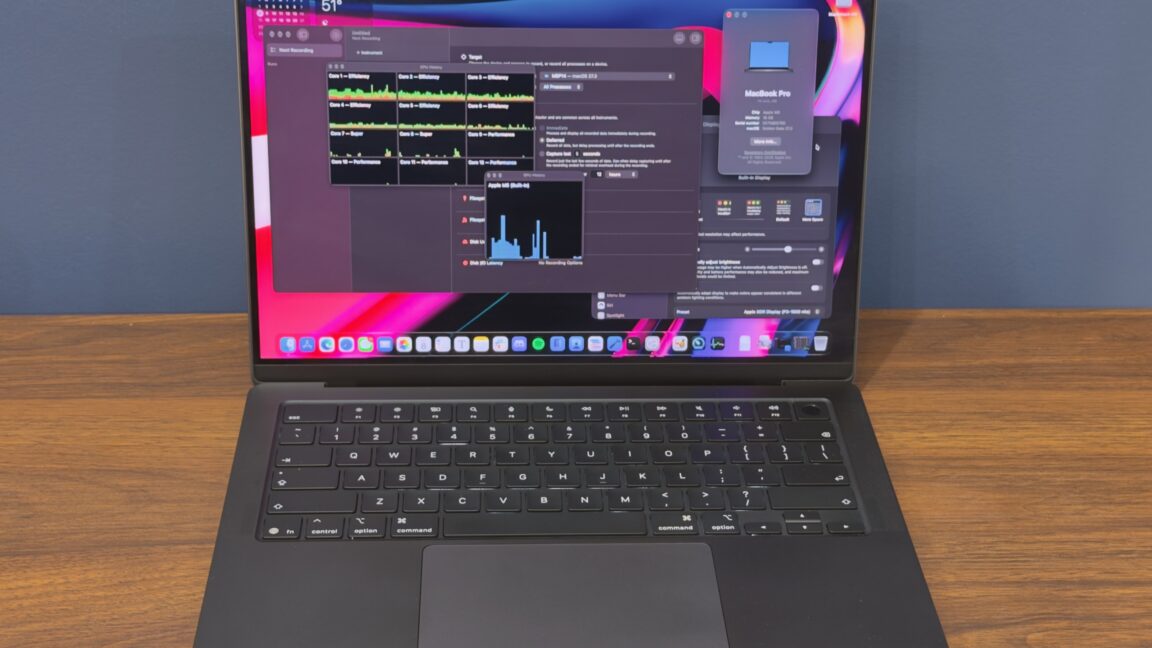
The Laptop Makers' Quiet Trade-Off: Form Over Fixes
Three recent stories about the MacBook Pro and laptops generally reveal a shared pattern: design decisions that leave little room for the practical fixes users want.
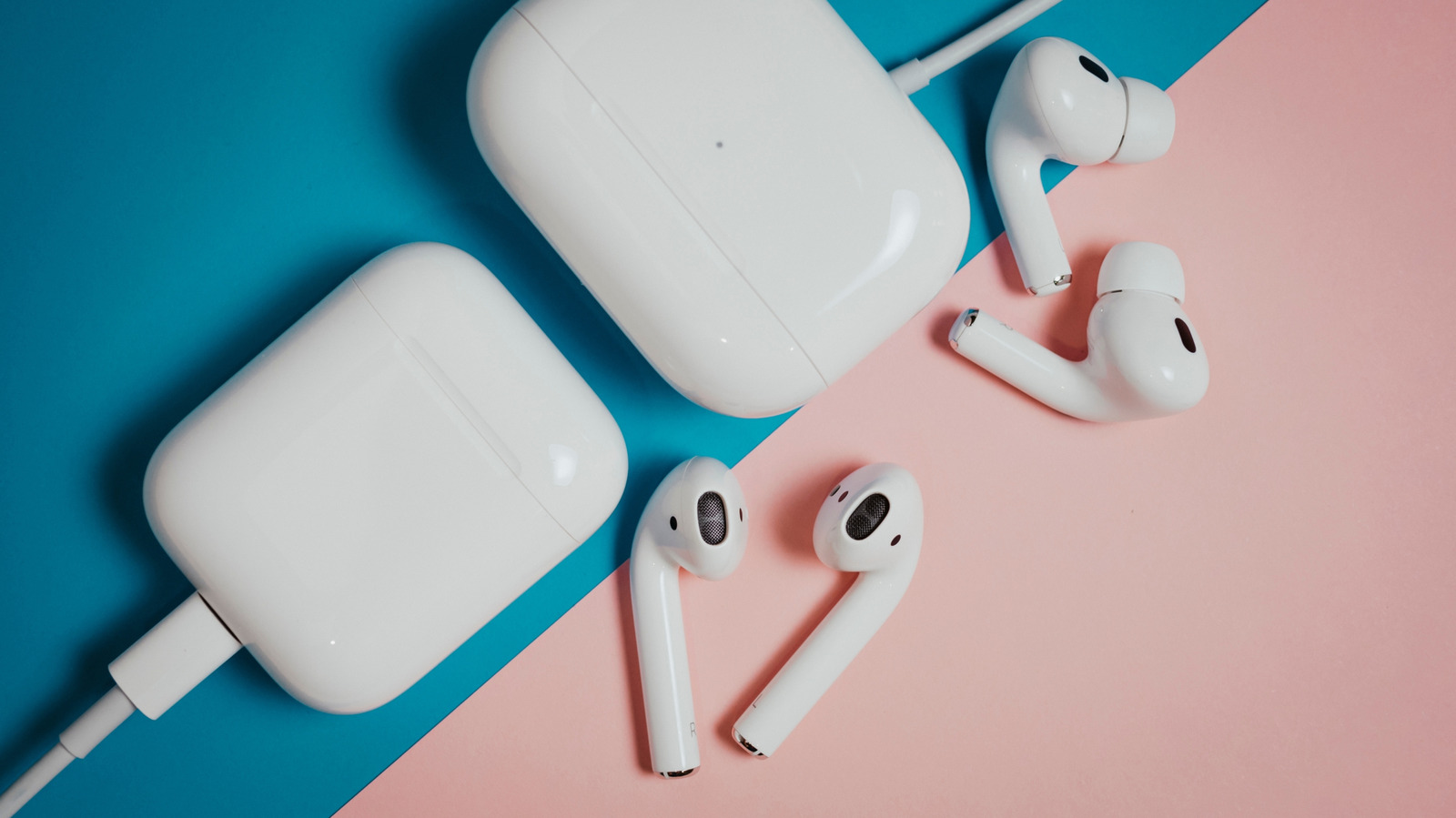
Wearables Get Smarter While Staying Out of Your Way
The latest wearable updates show a pattern: features that work quietly in the background, leaving users to manage less while trusting more.
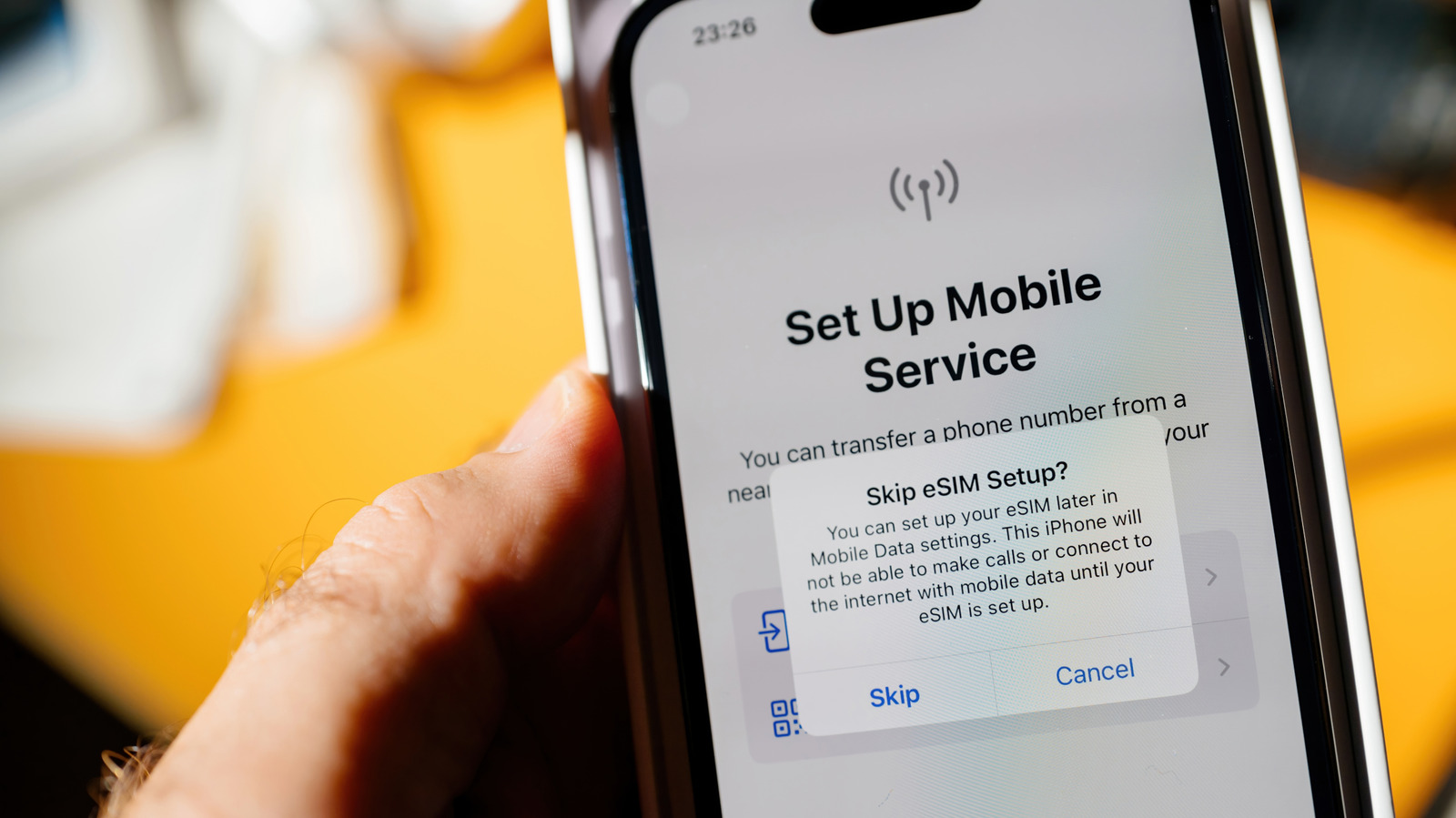
The Smartphone's Invisible Features Are the Ones That Matter Now
Three recent stories about eSIM support, a tiny status icon, and touchscreen gloves show that the smartphone's most consequential details are the ones users can't see or don't understand.

The Cost of Lock-In in the US Gadget Market
Four recent stories point to the same pattern: the products winning on price and features are increasingly defined by the ecosystems and policies that constrain them.
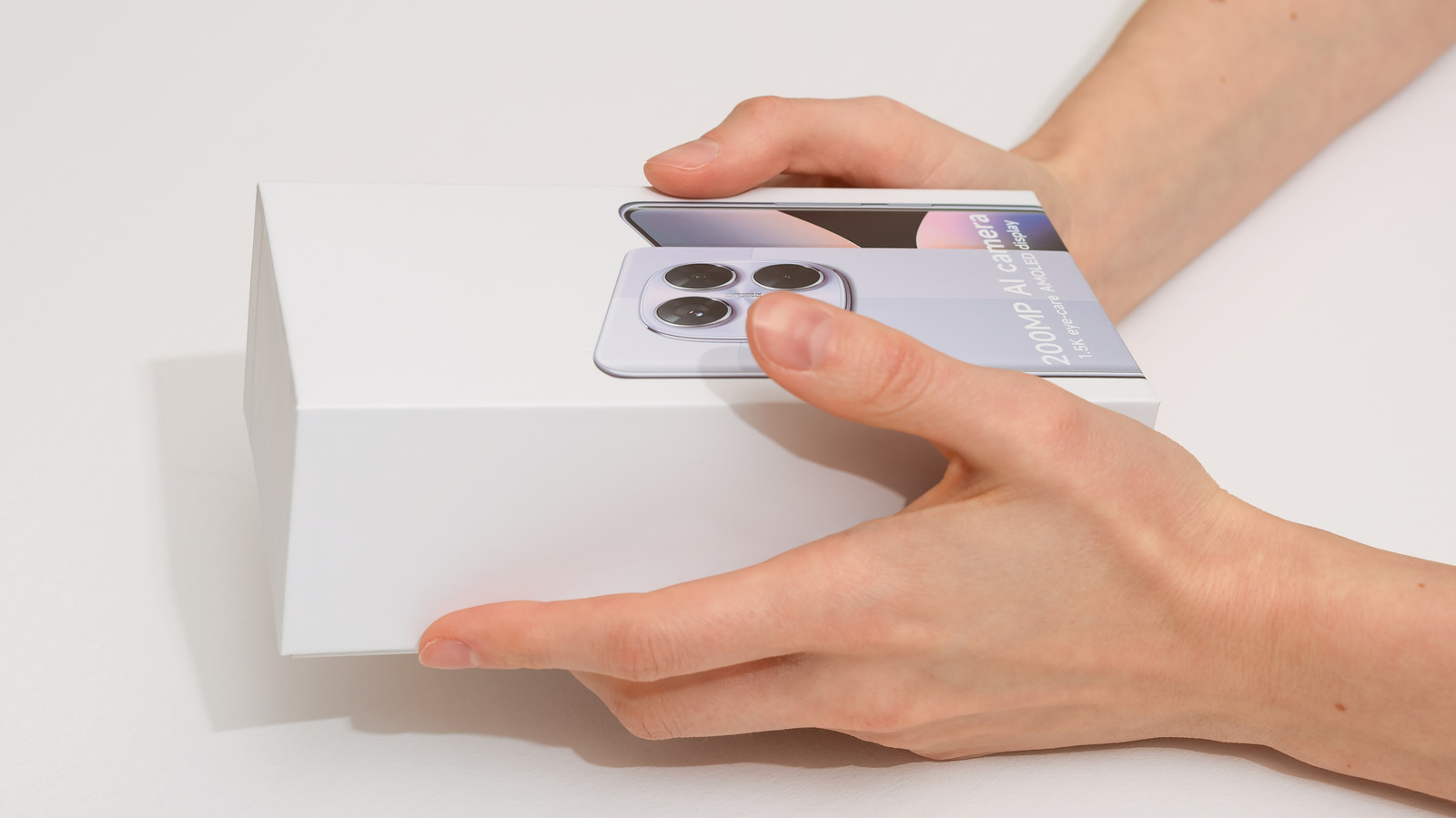
Laptop Ownership Is Now a Discipline, Not a Purchase
Three recent stories on imported hardware, long-term storage, and sudden fan noise point to the same shift: owning a laptop now demands active judgment.
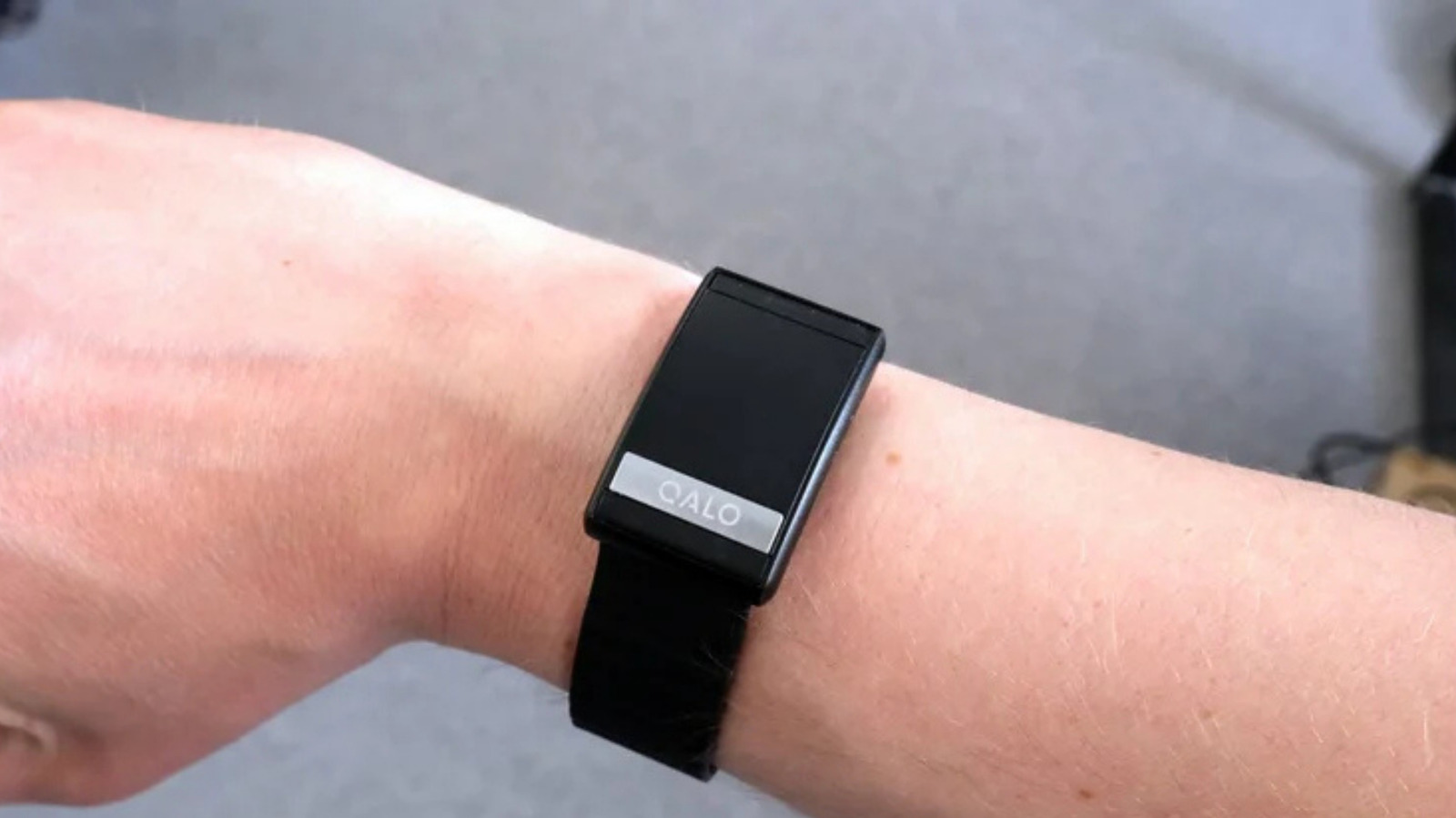
Minimalist Wearables Reshape the $200 Smartwatch Market
Three recent stories on screenless wearables, repurposed smartwatches, and budget watches reveal a US market splitting between simplicity and utility.
Wearables Depend on Software Promises Nobody Enforces
Three recent stories share one thread: what a smartwatch can do is set by software commitments that outlast the hardware sale, and US buyers have little recourse when those commitments quietly shrink.
Smartphone Connectivity Is Becoming a Software Problem
Google Fi's super network and the Wi-Fi-to-cellular handoff both show that staying connected is now a negotiation between networks, handled in software on the phone.
Two Launches Show Hardware and Software Diverging
Ring's security robots and GTA VI's constrained cloud debut suggest US tech is splitting between expensive physical devices and tightly controlled software access.
The Laptop Makers' Quiet Trade-Off: Form Over Fixes
Three recent stories about the MacBook Pro and laptops generally reveal a shared pattern: design decisions that leave little room for the practical fixes users want.
Wearables Get Smarter While Staying Out of Your Way
The latest wearable updates show a pattern: features that work quietly in the background, leaving users to manage less while trusting more.
The Smartphone's Invisible Features Are the Ones That Matter Now
Three recent stories about eSIM support, a tiny status icon, and touchscreen gloves show that the smartphone's most consequential details are the ones users can't see or don't understand.
The Cost of Lock-In in the US Gadget Market
Four recent stories point to the same pattern: the products winning on price and features are increasingly defined by the ecosystems and policies that constrain them.
Laptop Ownership Is Now a Discipline, Not a Purchase
Three recent stories on imported hardware, long-term storage, and sudden fan noise point to the same shift: owning a laptop now demands active judgment.
Minimalist Wearables Reshape the $200 Smartwatch Market
Three recent stories on screenless wearables, repurposed smartwatches, and budget watches reveal a US market splitting between simplicity and utility.