Three stories logged on the operating systems beat point to a single pattern: the companies that control the software running on our devices are pulling back features, brands, and commitments faster than they are replacing them. Microsoft is deprecating Windows Deployment Services, Microsoft and Qualcomm are effectively abandoning the Copilot Plus PC label, and a Samsung firmware update has left smart fridge owners with spoiled food. Different products, different vendors, one direction of travel.
Retreat as a Release Strategy
Microsoft's decision to deprecate the Windows Deployment Services server role, as BleepingComputer reported, is not a consumer-facing change. WDS is the tool IT administrators have used for years to image and provision Windows machines across a fleet. Deprecating it starting with the next Windows Server release means the organizations that build and maintain Windows infrastructure on the Microsoft stack now have to plan a migration on Microsoft's schedule, not their own. The pattern is familiar from the operating systems desk: a capability that enterprise customers rely on is moved to a deprecation list, and the replacement is either a different Microsoft product or a third-party tool. The vendor frames this as modernization. The customer experiences it as a forced march.
The Brand That Didn't Last
On the consumer side, The Verge reported that Microsoft is killing off the Copilot Plus PC brand. The label was introduced with the promise that these were the machines with enough built-in AI muscle to get things done. Two and a half years later, Microsoft and Qualcomm appear to be conceding the brand is already dead. That is a short life for a platform identity. It matters because the brand was doing real work for US consumers: it was supposed to be a shorthand for which PC to buy if you wanted the AI features to actually function. Removing it does not remove the features, but it removes the signal. Buyers who chose a Copilot Plus PC on that promise are left holding a label the vendor no longer wants to defend, while the next round of hardware marketing starts from scratch.
Firmware Is an Operating System Problem
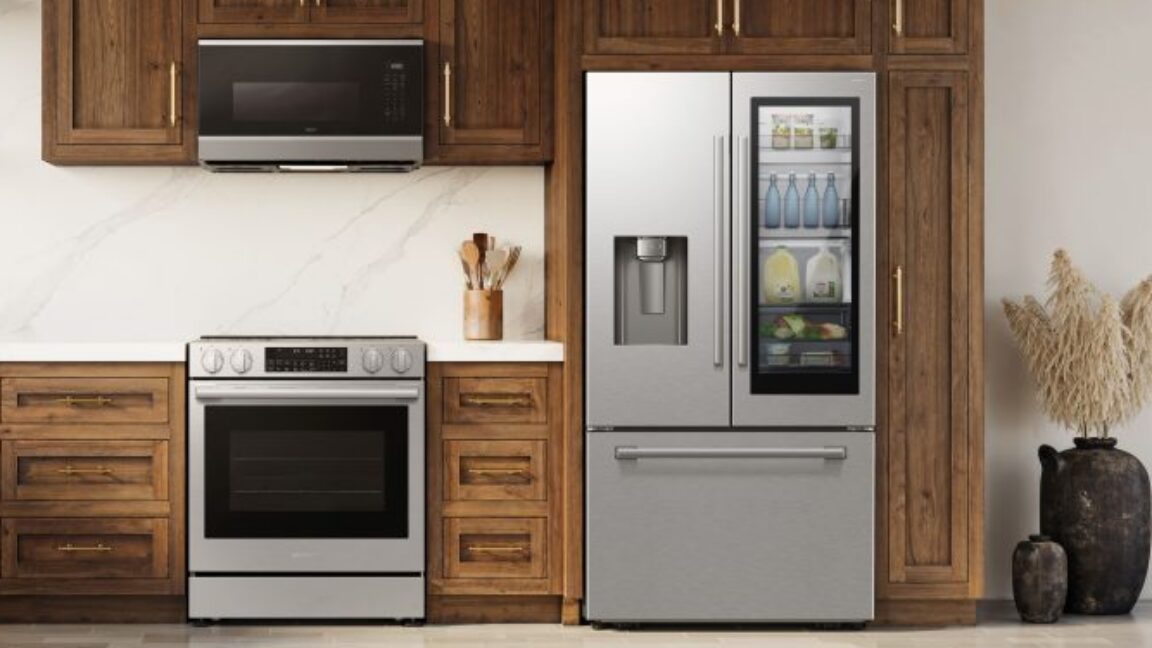
The Samsung smart fridge story, from Ars Technica, is the sharpest version of the thread. A firmware update bricked refrigerators, and owners mourned spoiled food. The quote Ars Technica carried, calling the situation absurd and embarrassing, captures the consumer experience. A refrigerator is not a general-purpose computer, but it runs firmware, receives updates, and depends on a vendor's software pipeline to keep working. When that pipeline fails, the failure is physical: food spoils, money is lost, and the appliance becomes a liability. This is an operating systems story because the update mechanism, the testing regime, and the rollback path are all platform decisions. Samsung's customers did not opt into a beta. They opted into a fridge.
The Common Thread
What links these three items is not that software is bad. It is that platform owners are treating their own commitments as provisional. WDS is deprecated because Microsoft would rather steer administrators elsewhere. Copilot Plus PC is retired because the brand did not carry its weight. The Samsung update shipped because the firmware pipeline allowed it to ship. In each case, the party with the least control, the IT admin, the PC buyer, the homeowner, absorbs the cost of the platform owner's change of mind.