The funding stories landing on this beat share one thread: American venture capital is concentrating. A small number of already-large or already-wealthy players are absorbing a disproportionate share of the money, the valuations and the strategic attention, while the broader market for startup capital looks thinner by comparison. That pattern matters for US technology companies because it shapes who gets to build, who gets to buy and who sets terms.
Billions for the Proven
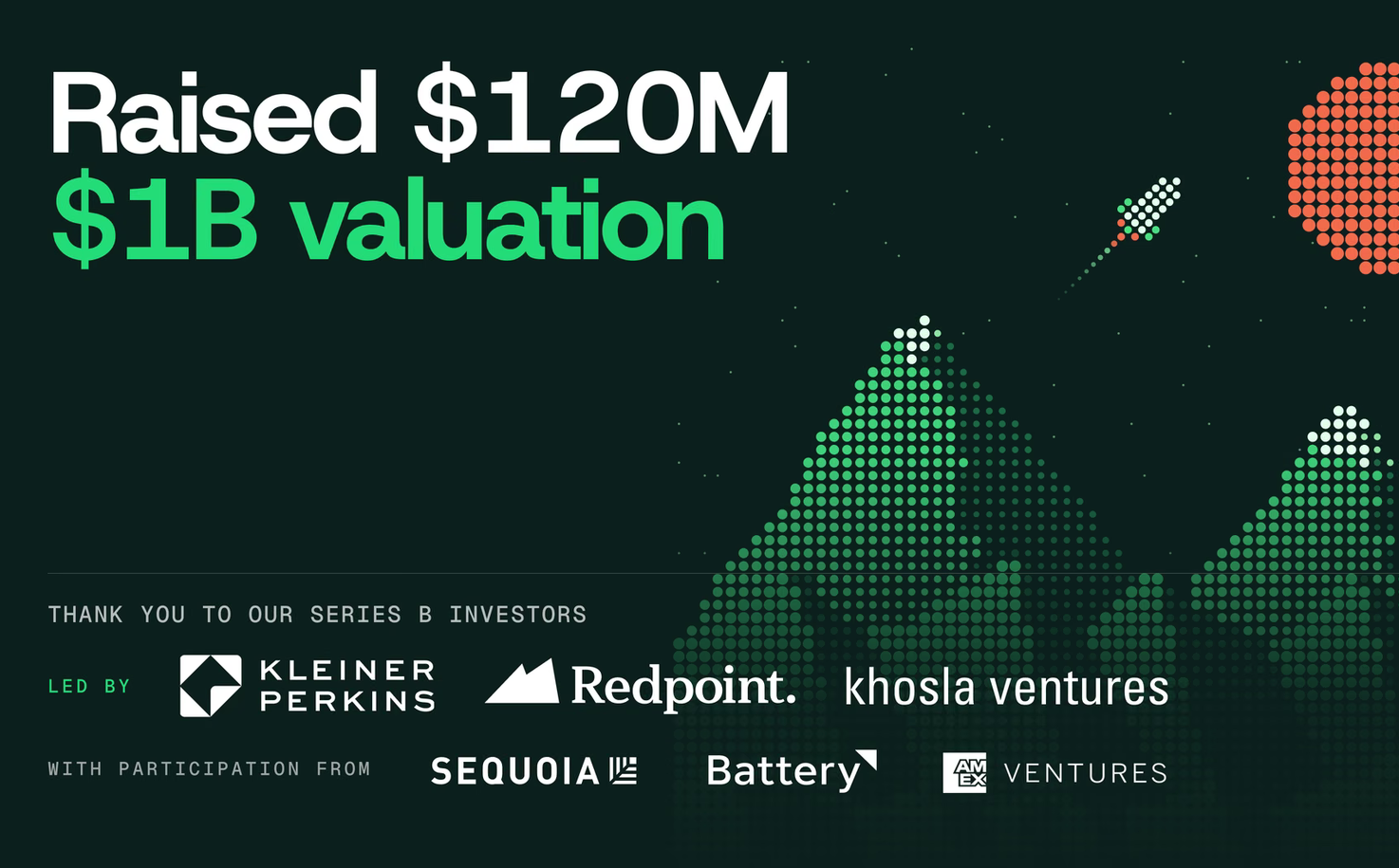
The two named rounds logged this week are large by almost any historical standard. Zipline raised $1.5 billion and reached a $21.5 billion valuation as Walmart expanded its bet on drone delivery, as TechCrunch reported. Traversal, a startup automating site reliability engineering with artificial intelligence agents, raised $120 million at a $1 billion valuation, with Kleiner Perkins, Redpoint Ventures and Khosla Ventures leading the round, as SiliconANGLE reported.
Both are meaningful sums. But what is notable is the profile of the recipients. Zipline is not an unknown experiment; it is a scaled logistics operator whose latest capital arrives alongside a deeper commercial relationship with a major US retailer. Traversal is younger, but its pitch is the kind of infrastructure automation that large enterprises buy, and its lead investors are among the best-known names in venture capital. In neither case is the money chasing an unproven category. It is chasing execution against demand that already exists.
The Billionaire Gravity Well
The clearest evidence of concentration comes from Crunchbase News, which reported that more than half of all seed- through growth-stage venture capital raised in the US so far in 2026 went to seven companies founded or led by men who are already billionaires. Together those companies raised more than $260 billion in equity funding in the first 10 months of the year.
That figure is the gravitational center of this story. If seven companies account for more than half of US venture funding, then the remaining thousands of startups are competing for a minority of the pool. Founders who are already wealthy, and companies already at scale, are better positioned to raise because they carry less perceived risk and can offer investors a known quantity. The result is a market where the marginal dollar increasingly flows toward the already capitalized.
Retailers as Capital Allocators
The Zipline story illustrates a second kind of concentration. The $1.5 billion round is large on its own, but the Walmart expansion is the strategic detail: a major US retailer is deepening its commitment to a delivery model built by an outside vendor. That gives the vendor both capital and a demand anchor.
For the US market, this arrangement cuts two ways. It signals that large incumbents are willing to fund the infrastructure they intend to use, which can accelerate deployment of new services for US consumers. It also means the vendor's fortunes become tightly bound to a handful of large customers. Concentration of capital and concentration of customers are reinforcing each other in the same deals.

