The gadget industry's traditional upgrade pitch has been unbundled. For years, hardware makers sold a vision first and delivered the experience later, asking consumers to buy into a promise of features that would mature through firmware updates. This week's small cluster of gadget news, from Sonos headphones to a Retroid handheld to two Apple data points, suggests that pitch is losing its grip. What buyers reward now is demonstrable, day-one improvement, and companies that ship it are being separated from those still selling futures.
Reliability Is the Feature
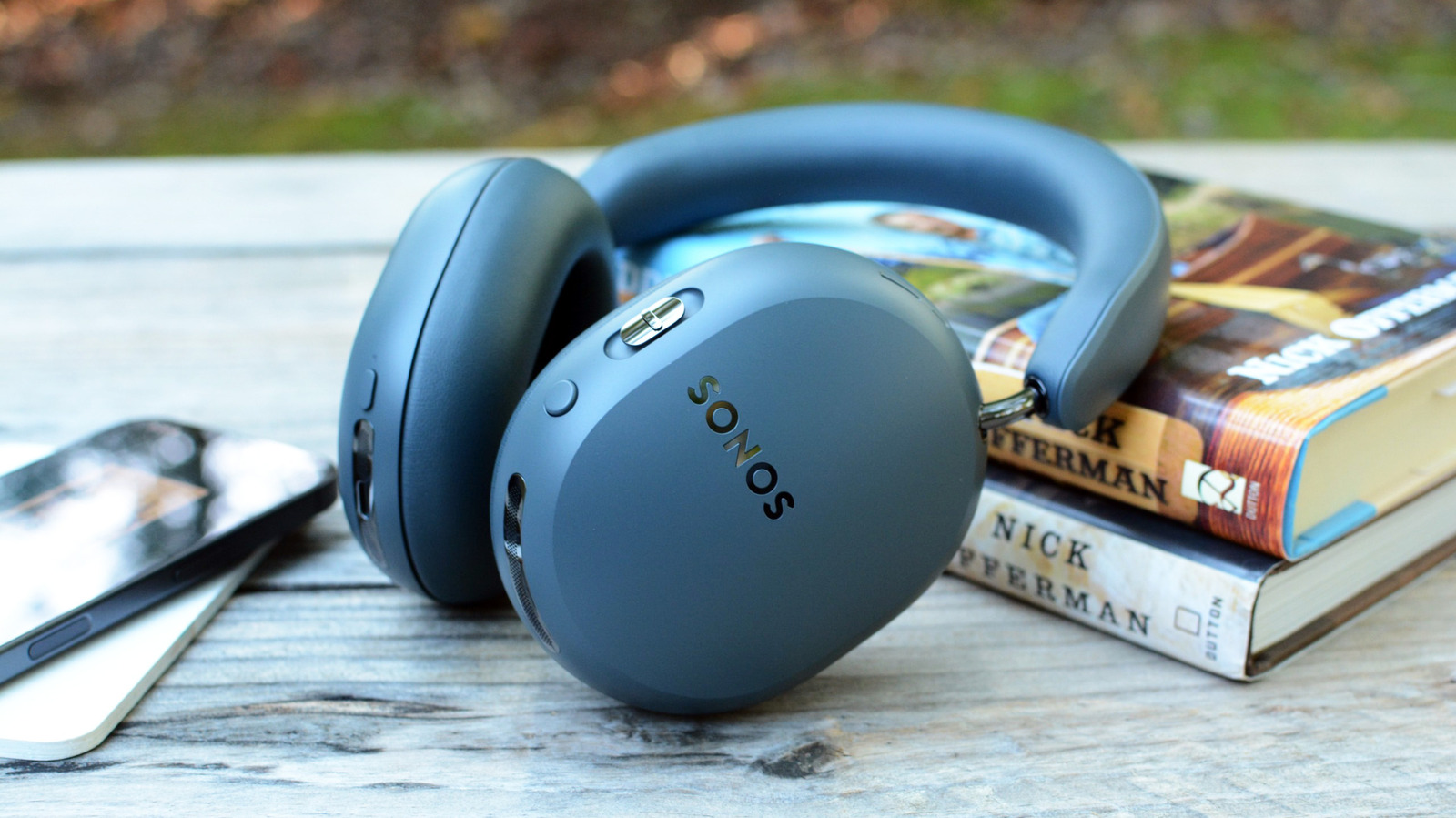
The Sonos Ace Ultra review from Engadget makes the point almost incidentally. The headline takeaway is that the Ace Ultra is an obvious upgrade over the original Ace, and that headphone linking performs reliably already, even in its early phase. That phrase, "even in its early phase," is doing a lot of work. It implies that the category norm is for marquee features to arrive half-finished and improve later, so that a feature working out of the gate reads as news rather than baseline competence. Sonos is not being praised for shipping something extraordinary. It is being praised for shipping something that works.
That is a low bar, and its presence in a review as a positive is the story. A US consumer deciding between two pairs of headphones has no way to audit a firmware roadmap. They can only judge what is in the box on the day they buy it. When a company's flagship feature cannot be evaluated until some undetermined future update, the purchase decision defaults to the competitor that can be evaluated now. Reliability has stopped being a hygiene factor and become a differentiator, because so few companies clear it.
A Health Feature Earns Its Place
The CNET piece on the Apple Watch's ECG feature sits at the other end of the same thread. The reporter was testing the watch's ECG capability on video as a healthy, active 30-year-old and did not expect to become part of the story. The significance is not that a wearable did something dramatic in one instance. It is that the feature was doing its actual job, at the moment it was being examined, without a caveat attached. The ECG feature has been on the watch for years; what this account demonstrates is a mature feature behaving predictably in ordinary hands.
The contrast with the Sonos situation is instructive. Sonos is being credited for early reliability on a linking feature. Apple is being credited for a health feature that has had time to settle into the product. Both are forms of the same asset: a capability the buyer can rely on rather than anticipate. For US consumers, health sensing in particular carries a higher bar, because a feature that misfires or overpromises in a medical-adjacent context does not just disappoint, it misleads. A wearable's credibility on health is built one unremarkable correct reading at a time.
Apple's Glass Rumor and the Cost of Waiting
Against those two, the CNET rumor about the iPhone 20 Pro is a reminder of why anticipation is a risky strategy. The report hints at an all-glass redesign, with next year's models possibly carrying the biggest screens in iPhone history. Note the framing: next year, could, hints. This is the classic future-facing pitch, and it arrives in the same news window as products being judged on what they do today. Apple can sustain that kind of rumor because of the scale of its installed base and the strength of its upgrade cycle, but the dynamic cuts both ways. Every report about a dramatic redesign a year out is also an argument for not buying the phone that is currently on the shelf.
For Apple, this is a manageable tension. For smaller US hardware companies, it is not. A startup cannot float a rumor about a redesign next year and expect customers to wait. It has to ship something that justifies its price on the day it ships, or it has to accept that the customer will spend that money elsewhere. The rumor economy is a privilege of incumbency.