๐Ÿ“ฃ

Advertisement

Google Ad - 970ร—90 Leaderboard ย TOP_LEADERBOARD_4

The PC Industry's New Habit of Making Old Problems Disappear

Photo: Tom's Hardware

Article

The PC Industry's New Habit of Making Old Problems Disappear

Four hardware stories from one news cycle point to the same shift: the industry is solving scarcity with software and design, not silicon.

ManishankarSeptember 22, 20264 min read
๐Ÿ“ฃ

Advertisement

Google Ad - 970ร—90 Leaderboard ย TOP_LEADERBOARD_4

The four hardware stories on this desk share a single thread: the desktop and device industry is no longer trying to out-build its constraints. It is out-designing them. A $2,299 gaming PC, a phone sensor with 17 stops of dynamic range, a graphics card that doubles as an air freshener, and a server fleet that shed 100 TB of RAM all point to the same move - extracting more from hardware that already exists, rather than waiting for a new process node to rescue everyone.

The $2,299 Anchor

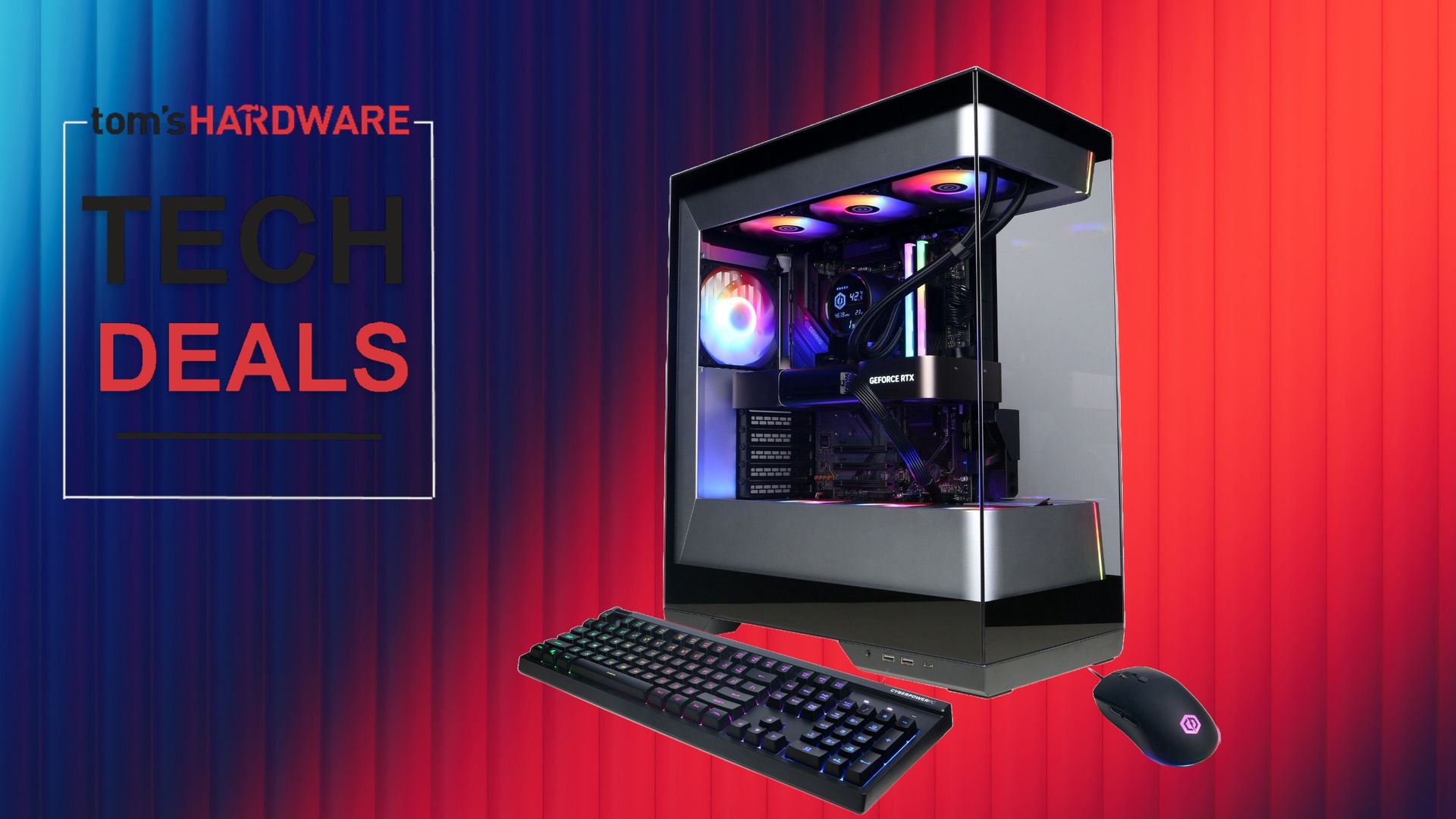
Walmart is selling a CyberPowerPC gaming desktop with a Ryzen 7 9800X3D, an RTX 5080 Founders Edition, 32GB of DDR5-6000, and a 1TB PCIe 4.0 SSD for $2,299, as Tom's Hardware reported. That configuration would have been a halo build not long ago. Reading it as a retail price rather than a boutique one is the point. The components inside are not exotic; they are the top of a stack that is now widely stocked. For US consumers, the practical effect is that the ceiling of gaming performance keeps moving down-market while the floor stays put. A machine that maxes out the fastest gaming CPU and a DLSS 5-capable GPU now sits in the same aisle as a mid-range laptop. The scarcity that defined the hardware market through the early 2020s has been replaced by a pricing contest.

Software Is Doing the Heavy Lifting

The RTX 5080 in that build earns its place as much through DLSS 5 as through its own raster performance. That is the same pattern as the 17 stops of dynamic range in Vivo's X500 Pro Max, which The Verge reported relies on new sensors and silicon from Sony and MediaTek to achieve its slow-motion and dynamic-range results. In both cases the headline capability is not raw sensor or core throughput; it is the processing layered on top. For US companies, this is the uncomfortable part. A large share of the value being sold on a device now lives in algorithms, drivers, and models rather than in the components themselves. That favors firms with strong software organizations, and it makes it easier for a well-executed computational feature to close a gap that used to require a generational leap in fabrication.

Cloudflare's 100 TB Lesson

The Cloudflare story, reported by Tom's Hardware, is the same argument running in reverse. The company saved 100 TB of RAM by tuning its hash-mapping algorithm, cutting 100,000 entries down to 10,000 and eliminating massive cache bloat. No new servers were bought. Nobody waited for denser memory modules. A software change returned 100 TB of capacity to the fleet. That is the clearest possible statement of the theme: the cheapest capacity in the system is often the capacity an engineering team has not yet found. For US cloud and infrastructure providers, whose capital budgets are increasingly scrutinized, algorithmic savings of that scale change the calculus on when and whether to buy. Cloudflare has now done this twice, which suggests it is a repeatable practice rather than a one-off.

Advertisement

๐Ÿ“ฃ

728x90

MID_CONTENT_2

When the Spec Stops Being the Story

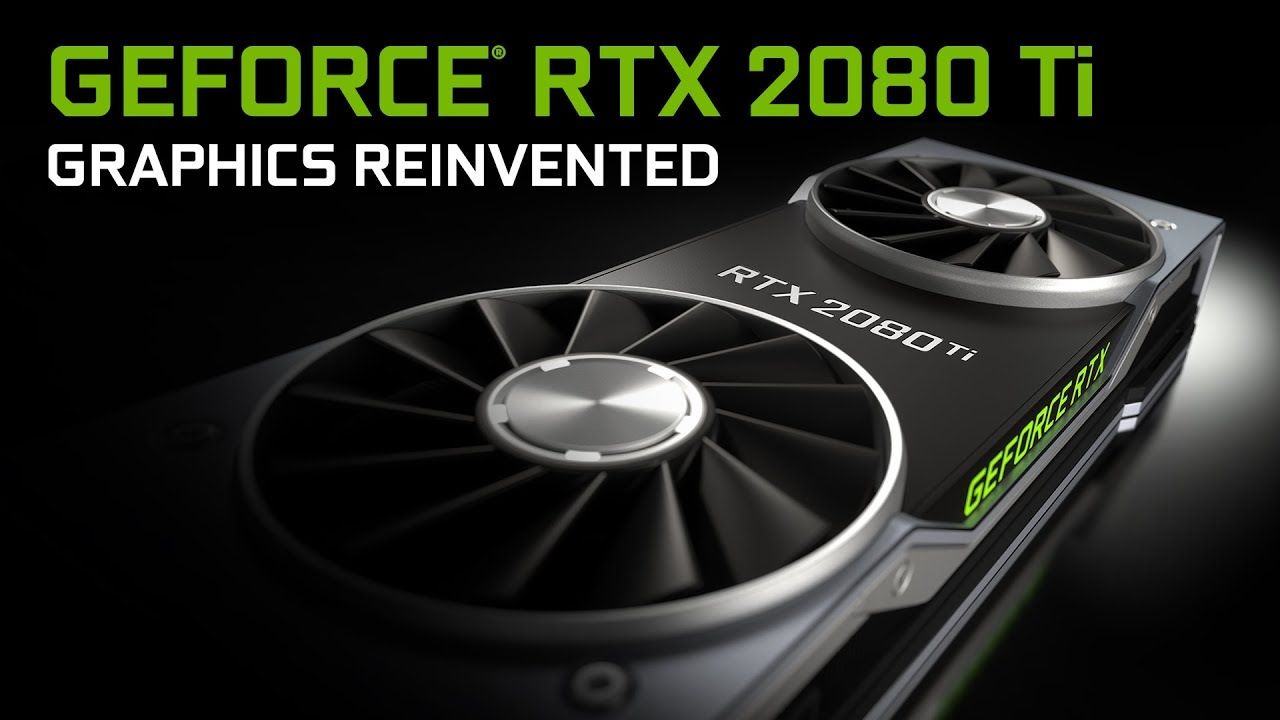
AX Gaming's RTX 5070 Autumn Limited Edition is the outlier that proves the pattern, as Tom's Hardware reported. The white and purple card features an anime character and floral graphics and doubles as an air freshener with built-in 'e-sports aromatherapy'. It is easy to dismiss as a novelty, and it may be one. But it is also what a card looks like when the underlying GPU performance is no longer the deciding factor for a segment of buyers. Differentiation moves to cosmetics, theme, and novelty because the silicon cannot separate the products enough on its own. US board partners and retailers have leaned into limited editions for years, and this is the logical endpoint of that strategy: if the frame rates converge, the story has to be told somewhere else.

What This Means in the United States

Taken together, these four items describe a US hardware market where the constraint has moved. Consumers get more capability per dollar, as the $2,299 CyberPowerPC build indicates, but that capability increasingly arrives through software multipliers, algorithmic efficiency, and packaging choices rather than through headline silicon gains. For US technology companies, the strategic implication is that engineering investment in drivers, models, and systems efficiency now pays off in margin and in capacity, not just in benchmarks. The Cloudflare result is the strongest evidence: a hash-mapping change produced a five-figure memory savings with no procurement at all. Firms that treat software as a cost center while chasing the next hardware refresh are optimizing the wrong variable.

The risk in this pattern is that it can be mistaken for abundance. A 100 TB saving from tuning a hash map is real, but it is a one-time recovery of something already being paid for. A phone hitting 17 stops is impressive, but the number is the output of processing as much as optics. None of this replaces the need for new capacity; it defers it. That is useful, and it is also a deferral that has to end somewhere.

What to Watch

Watch whether the $2,299 configuration from Walmart holds at that price or drifts upward as the RTX 5080 and Ryzen 7 9800X3D age, since a stable retail price would confirm that performance is genuinely moving down-market rather than being discounted temporarily. Watch whether other cloud providers publish similar algorithmic memory recoveries to Cloudflare's, which would indicate the savings are systemic rather than particular to one architecture. Watch whether limited-edition, novelty-differentiated graphics cards from AX Gaming and its peers become a durable product category or remain a seasonal curiosity. And watch the next round of Vivo flagship launches for whether the Sony and MediaTek sensor and silicon combination spreads to other phone makers, which would decide whether 17 stops becomes a standard or stays a single-vendor claim.

More on this beat: Hardware on TechManNews.

Advertisement

๐Ÿ“ฃ

728x90

IN_ARTICLE_5

#hardware#gaming PCs#GPUs#cloud infrastructure#consumer electronics#semiconductors

Newsletter

Get Tech News in Your Inbox

The latest AI, gadgets, software and startup stories from TechManNews, delivered every morning - free.