๐Ÿ“ฃ

Advertisement

Google Ad - 970ร—90 Leaderboard ย TOP_LEADERBOARD_4

The Silicon Valley Stories That Aren't About Products

Photo: Wired

Article

The Silicon Valley Stories That Aren't About Products

Arjun NairSeptember 21, 20264 min read
๐Ÿ“ฃ

Advertisement

Google Ad - 970ร—90 Leaderboard ย TOP_LEADERBOARD_4

The most revealing technology stories this week are not about new products. They are about the industry's growing comfort with delayed releases, refurbished hardware, and the question of who gets remembered. Taken together, four items logged by Wired and Tom's Hardware on the hardware desk describe an industry that is restructuring its relationship with time - extending product cycles, reviving old machines, and, belatedly, auditing its own history.

The Lengthening Cadence of Consumer Hardware

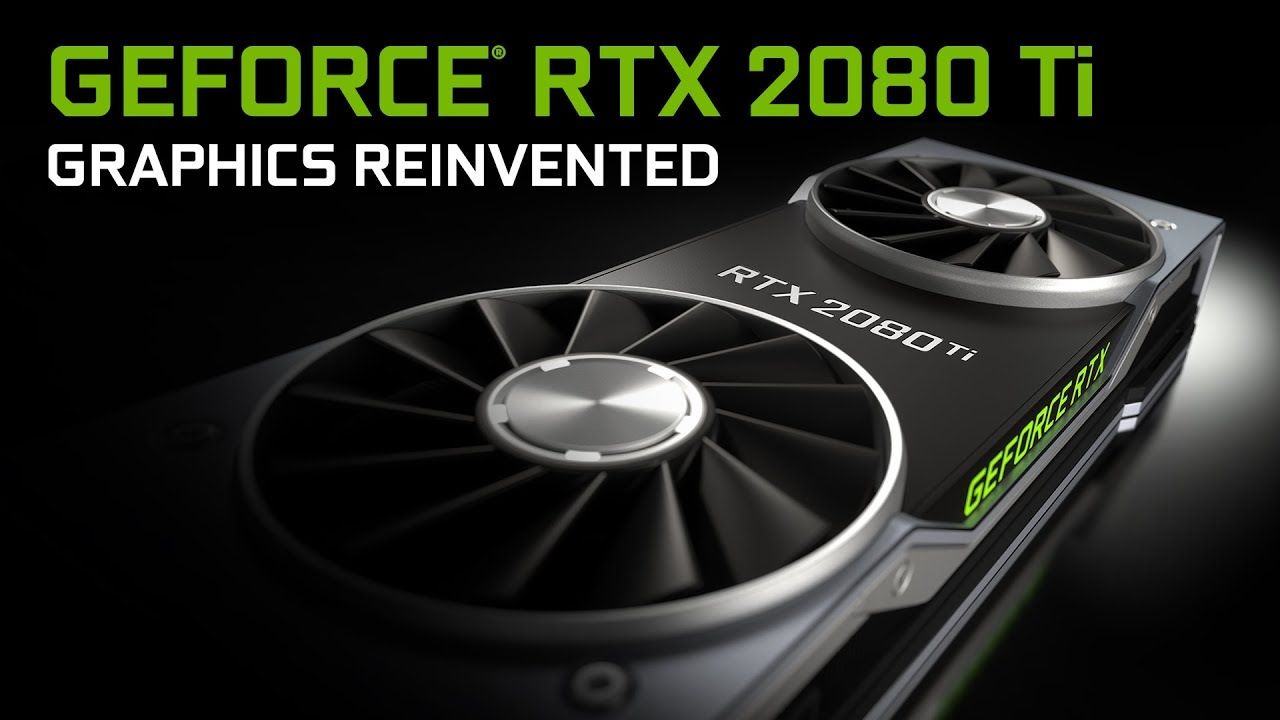
The clearest signal comes from Nvidia. According to Tom's Hardware, prominent leaker Kopite7kimi claims that the company's next-generation RTX 60 GPUs may not arrive until 2028. If accurate, that would mean a three-year gap between GPU generations, a striking departure from the roughly two-year rhythm consumers have come to expect. Tom's Hardware frames the delay as a consequence of Nvidia prioritizing data center products over gaming. That is not a rumor about a chip; it is a statement about where the company believes its future revenue lives. For American consumers who build or buy gaming PCs, the practical effect is that the current generation will remain the current generation for longer than any recent predecessor. The upgrade treadmill is slowing, and not because the technology has stopped improving, but because the highest-margin customers are elsewhere.

The Revival Economy

The second story points in a different but related direction. Also via Tom's Hardware, a techie has built a custom motherboard to refurbish a 15-year-old HP ProLiant N40L tower server, using a Raspberry Pi Compute Module 5 to add NVMe and USB 3.0 support. The project is a hobbyist achievement, but it is also a data point about the durability of certain classes of enterprise hardware. A machine old enough to have been retired from most corporate racks twice over remains useful enough that someone will design a new board for it. That is a different kind of product cycle than the one Nvidia is extending. It is not about when the next thing arrives; it is about how long the last thing can be kept alive. For US companies that manage IT budgets, the lesson is that the refurbishment and retrofitting market is not a curiosity. It is a hedge against supply constraints and a way to extract value from assets that still work.

The Memory Problem

The Wired stories sit at a different altitude but belong to the same conversation. One piece asks why women hold some of the most consequential jobs in tech but are still not treated as cult figures. The other argues that dedicating an entire issue to women in 2026 might seem regressive, obvious, or unnecessary - and disagrees. These are not hardware stories in the literal sense. But they are stories about the same underlying question: what does the industry choose to preserve, and what does it allow to fade? The N40L refurbishment is about keeping a physical object in service. The Wired investigation is about keeping a set of contributions visible. Both are forms of maintenance, and both are typically undervalued relative to the act of launching something new.

Advertisement

๐Ÿ“ฃ

728x90

MID_CONTENT_2

What the Pattern Suggests for US Tech

For American technology companies, the through-line is a shift in where value is perceived to reside. Nvidia's reported RTX 60 timeline suggests that the consumer GPU business is no longer the priority it once was; data center demand is. That has implications for US consumers who rely on the gaming and workstation markets, and for the retailers and system builders who serve them. Meanwhile, the refurbishment project and the Wired pieces suggest that the industry's long-term health depends on things that do not show up in quarterly product launches: the ability to repair and extend existing hardware, and the willingness to acknowledge the full range of people who built the sector. None of these stories is about a single breakthrough. Each is about duration - of a product, a machine, or a reputation.

The Risk of Neglecting Maintenance

There is a tension here that US companies should not ignore. If the consumer hardware cycle stretches to three years or more, the pressure on existing devices increases. They must remain secure, repairable, and performant for longer. The N40L project shows that this is technically possible, but it required a skilled individual to design a bespoke motherboard. That is not a scalable model for most consumers or IT departments. If the industry is going to ask users to wait longer between upgrades, it will need to make the intervening years less painful. The alternative is a market where only the most capable hobbyists can keep old hardware useful, and everyone else is forced into premature replacements.

What to Watch

The RTX 60 timeline is the most concrete item to monitor. Tom's Hardware attributes the claim to Kopite7kimi, and leakers are not always right. If Nvidia confirms a 2028 window, or if it does not, that will tell us how firmly the company has reoriented around data center revenue. On the refurbishment side, watch whether the Raspberry Pi Compute Module approach to reviving old servers becomes a repeatable pattern or remains a one-off. And the Wired issue is a reminder that the industry's memory is itself a subject of debate. The stories this week are not about what is next. They are about what lasts, what gets repaired, and who gets remembered.

Sources

  • Wired: The Search for Silicon Valley's Most Powerful Woman; Women Still Face Too Much Bullshit - in Silicon Valley and Beyond
  • Tom's Hardware: Nvidia's next-gen RTX 60 GPUs might not be released until 2028; Techie makes his own motherboard to refurbish 15-year-old HP ProLiant N40L tower server

More on this beat: Hardware on TechManNews.

Advertisement

๐Ÿ“ฃ

728x90

IN_ARTICLE_5

#hardware#Nvidia#refurbishment#Silicon Valley#product cycles#industry analysis

Newsletter

Get Tech News in Your Inbox

The latest AI, gadgets, software and startup stories from TechManNews, delivered every morning - free.