📣

Advertisement

Google Ad - 970×90 Leaderboard  TOP_LEADERBOARD_4

The Silicon Is Outrunning Everything Around It
Article

The Silicon Is Outrunning Everything Around It

New chips and patent verdicts show that component-level breakthroughs increasingly outpace the products, prices, and markets built on top of them.

NagiSeptember 23, 20264 min read

Photo: TechCrunch

📣

Advertisement

Google Ad - 970×90 Leaderboard  TOP_LEADERBOARD_4

The recent hardware news, taken together, describes a widening gap between what silicon can now do and what the surrounding consumer and legal infrastructure is prepared for. Chip-level capability is arriving faster than the devices, prices, and legal settlements that are supposed to contain it. That mismatch - not any single product - is the story US hardware companies and buyers now have to manage.

The Capability Arrives First

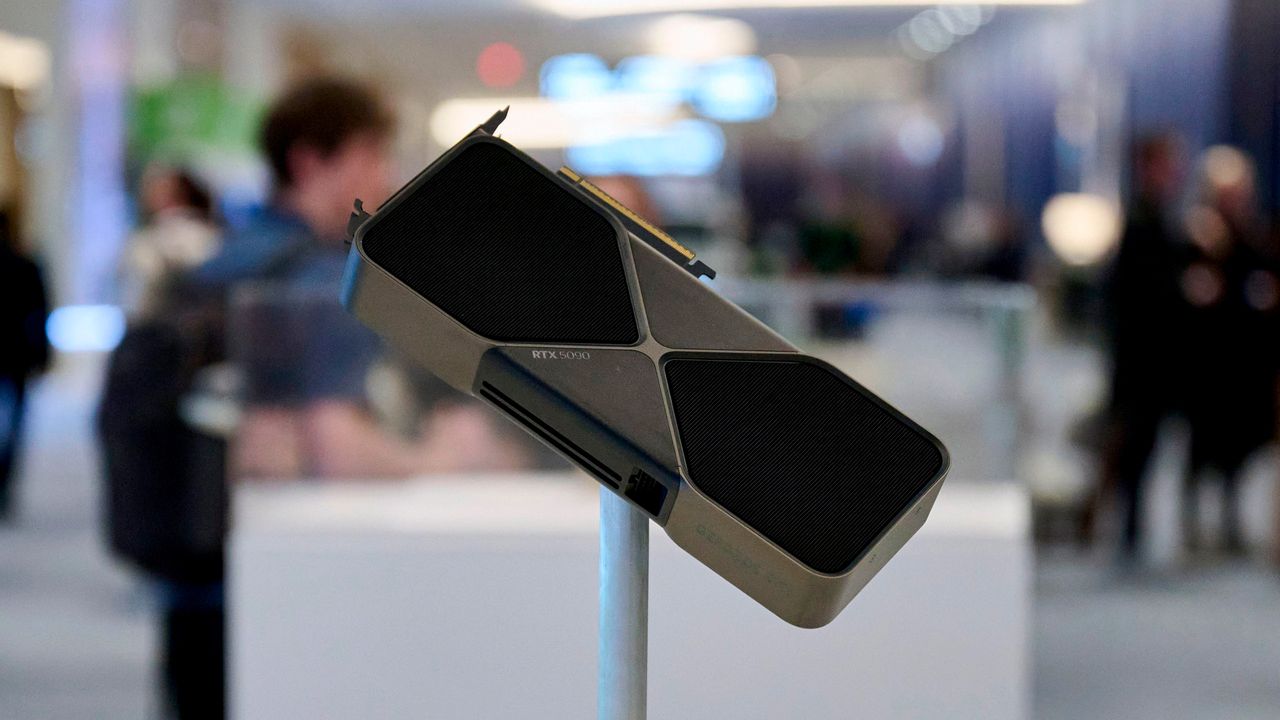
Qualcomm's newest smartphone chips were launched with an emphasis on on-device AI, and the company said its top part can run a 30-billion-parameter mixture-of-experts model locally, as TechCrunch reported. Whatever one makes of benchmark claims, the direction is unambiguous: the flagship tier of mobile silicon is being defined by how much model it can hold in memory and execute without a network round-trip. That shift matters most in the United States, where carriers and consumers have spent a decade treating the phone as a thin client for cloud services. Local inference at that scale implies a different device economics - more memory, more power budget, more thermal engineering - and a different privacy story.

The Product Lags the Promise

The first handset announced around Qualcomm's top-end Snapdragon 8 Elite Extreme Gen 6 is Motorola's Signature 27, which The Verge notes is set to be Motorola's most advanced flagship in some years. But the same report is careful: full specs, price, and release date are not yet available. That gap is structural, not incidental. A chip can be announced with a headline capability while the device that carries it remains unquantified on the dimensions buyers actually use to decide - price, battery life, availability. The American market gets the press release before it gets the purchase decision.

The Legal Bill Lands Later

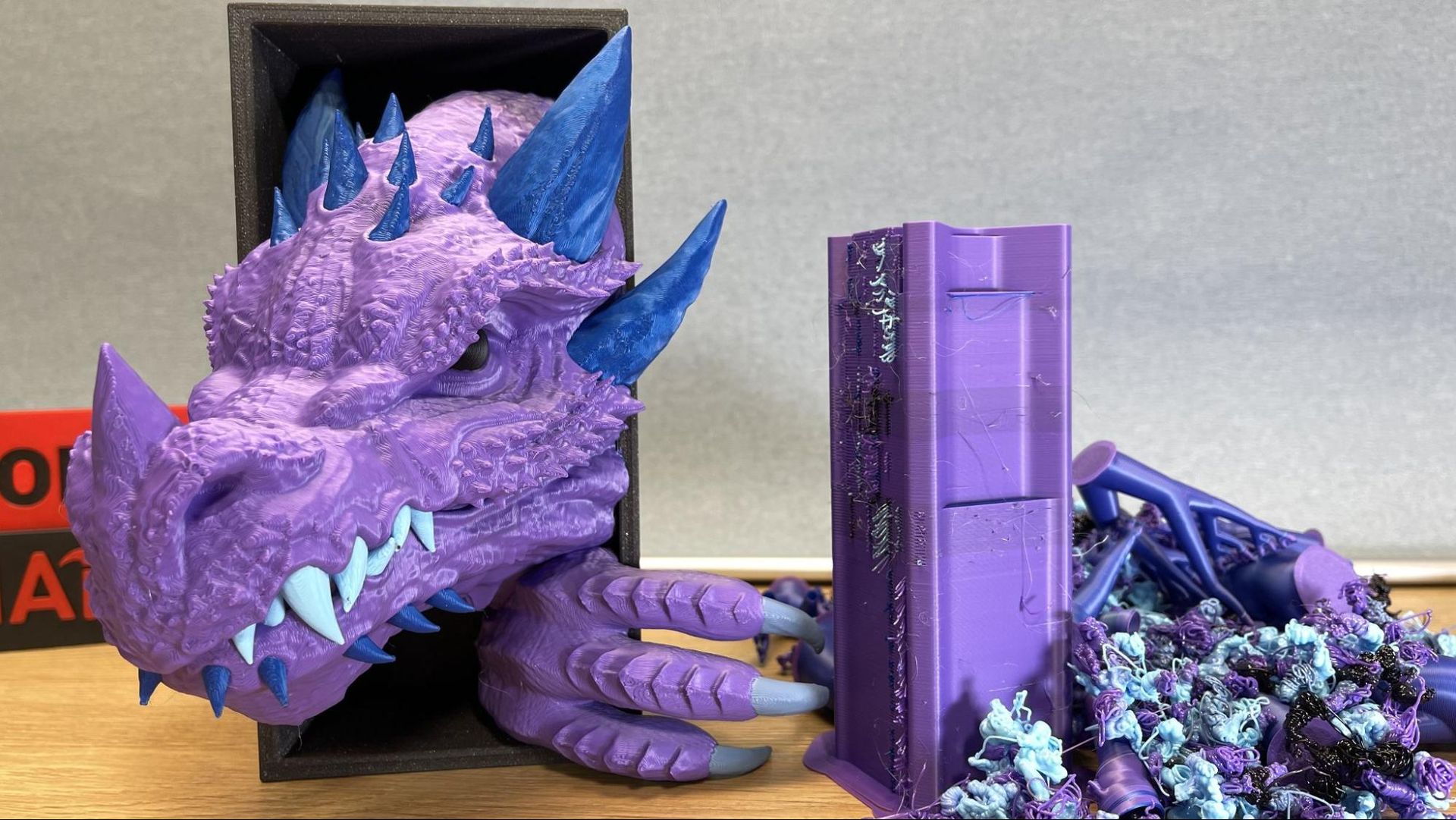
The counterweight arrived not from a handset but from a courtroom. A Texas jury found Bambu Lab liable for patent infringement in the creation of its X1, P1, and A1 series of 3D printers, awarding Stratasys $27.6 million in damages, per Tom's Hardware. The finding concerned prime tower and bed-leveling technology - unglamorous, functional features rather than headline capabilities. The pattern is familiar in US hardware: a category advances quickly on capability, then the incumbents whose patents cover the connective tissue of that capability collect. For consumers, that typically surfaces as licensing cost, feature removal, or delay rather than as a headline. The verdict is also a reminder that the American market's competitive moat for hardware is increasingly legal rather than purely technical.

Advertisement

📣

728x90

MID_CONTENT_2

Where the Cost Actually Settles

One story in the set points the other way. Engadget notes that turning an old PC into a media server is easier than it sounds. That is a useful counterweight to the flagship narrative, because it describes value being extracted from hardware Americans already own rather than hardware they are being asked to buy at new flagship prices. Together the stories sketch a market sorting into two tiers: expensive frontier devices carrying locally run models, and repurposed older machines doing useful work at near-zero marginal cost. The middle - the ordinary new mid-range purchase - is the part that the material here says least about, and it is where most US consumers actually transact.

Why This Matters to US Buyers and Builders

For US technology companies, the immediate implication is a scheduling problem. Capabilities are being announced on a chipmaker's cadence, devices on an OEM's cadence, and legal exposure on a jury's cadence. Those three clocks are not synchronised, and the recent stories show all three running at once. A company planning a product around on-device model execution, as Qualcomm's launch invites, must also plan for the memory and power costs that local inference imposes, and for the possibility that functional features it considers standard are covered by someone else's patent - the exact terrain the Stratasys verdict covers.

For US consumers, the practical effect is that the marketing will lead the product. A chipmaker can state what its top part runs; an OEM can tease its most advanced flagship in years without saying what it costs. The buyer encounters the claim before the constraint. That is not deception so much as sequencing, but it puts a premium on waiting for the full specification and price rather than the announcement.

What to Watch

The next signals are already implied by these stories. Watch whether the first device built around Qualcomm's top-end part arrives with a price and release date, since The Verge notes those are still outstanding for the Motorola Signature 27. Watch whether local execution of a 30-billion-parameter mixture-of-experts model, as Qualcomm claims per TechCrunch, shows up as a feature that changes how American buyers use their phones or merely as a specification line. Watch how the Bambu Lab outcome, with its $27.6 million award over prime tower and bed-leveling technology, affects how other entrants in the desktop 3D printing market in the US design around existing patents. And watch whether the repurposing path Engadget describes - old PCs as media servers - becomes a meaningful substitute for new hardware purchases rather than a hobbyist footnote. None of these is settled. All of them follow from the same gap between what the silicon can do and what everything around it has agreed to charge, ship, or permit.

More on this beat: Hardware on TechManNews.

Advertisement

📣

728x90

IN_ARTICLE_5

#semiconductors#consumer hardware#patent litigation#on-device AI#3D printing#US market

Newsletter

Get Tech News in Your Inbox

The latest AI, gadgets, software and startup stories from TechManNews, delivered every morning - free.