Four recent stories on this desk point to a single pattern: the software industry is drifting back toward the power user. The evidence is scattered - a beta flag in Apple's smart home software, a new open-source utility for watching video memory, a subscription bundle explainer and a productivity toolset - but each one treats granular control as a feature worth surfacing rather than hiding. After years of simplification and sanding down of interfaces, the tools for people who want to look under the hood appear to be edging back toward the center of the product.
A flag in a beta
The Verge reports that code in the iOS 27.3 beta suggests Apple could add support for chatbots to its smart home hub, with a flag listed for a "Conversational Apps" category. The outlet is careful: there are no details about what apps would fall under that heading, though it seems reasonable that AI chatbots could be added. What matters for this argument is less the chatbot question than the mechanics of how it surfaced. A category flag in beta software is the kind of detail that only gets noticed by people who read code, and it is the kind of detail that precedes a product decision rather than follows one. Apple's smart home software has historically been a controlled environment, with a short list of approved integrations. A "Conversational Apps" category implies a slot for third-party software of an unfamiliar type - and slots invite configuration. That is a power-user posture, even if Apple never uses the phrase.
A task manager for VRAM
Tom's Hardware reports that a new open-source GitHub project called gputaskman has been released by Microsoft VP Scott Hanselman. The premise is narrow and technical: it reveals exactly what's eating your VRAM. It is also telling. Graphics memory has become a resource ordinary PC owners now notice - because local models, games and creative tools compete for it - and the response from a senior Microsoft figure was to publish a small, open utility rather than to ship a dashboard inside Windows. That choice matters. Open-source utilities are how power users have always equipped themselves, and a company vice president releasing one signals that the audience for low-level visibility is large enough to be worth addressing directly.
Bundles assume a careful buyer
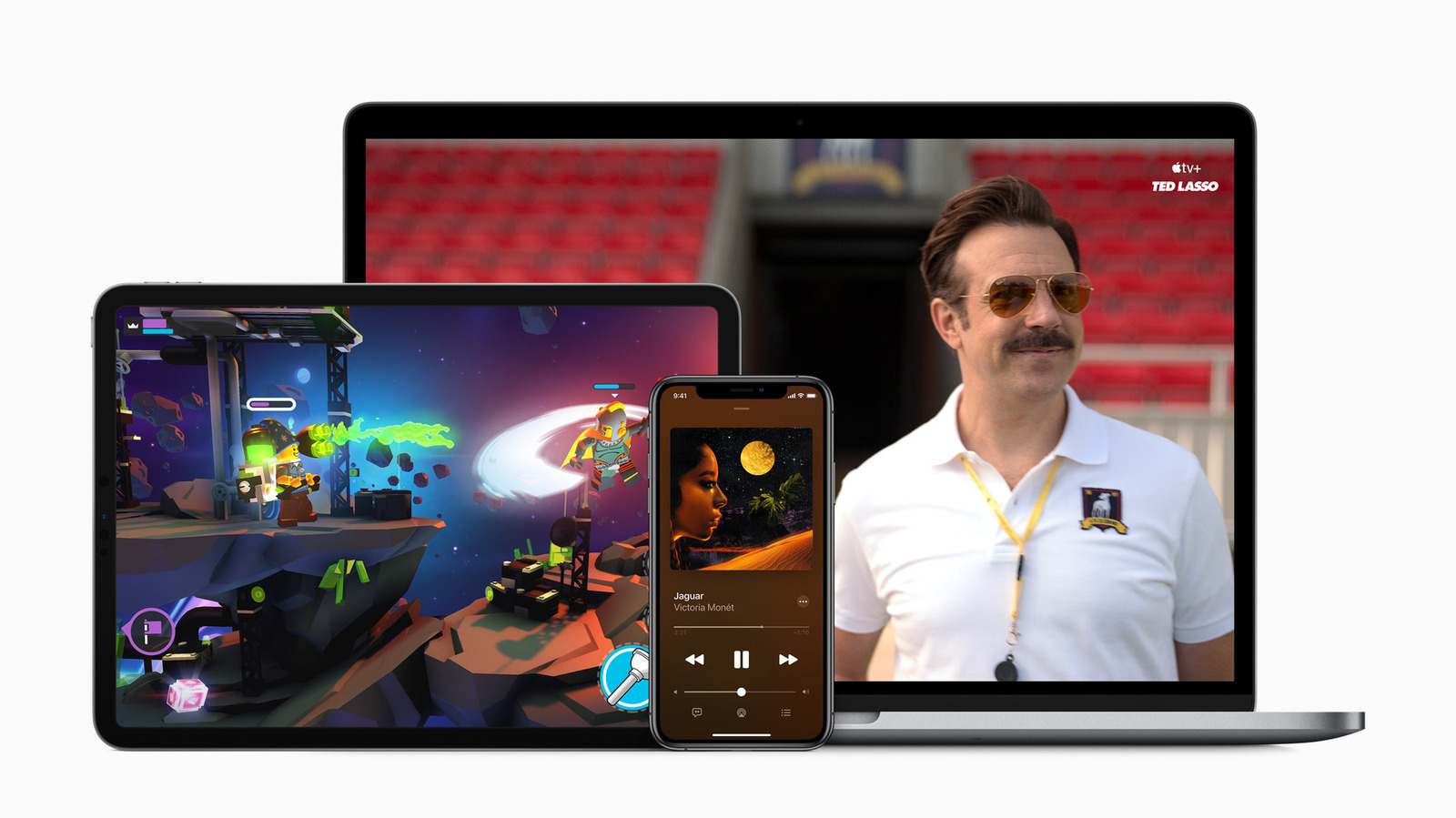
Engadget's explainer on Apple One Family asks what the bundle comes with and which subscription is best for the buyer, and it offers a pointed conclusion: Apple One offers strong value if you're using a lot of Apple services anyway, but make sure you do the math before signing up. That is a power-user instruction dressed as consumer advice. The article does not assume the reader will accept a bundle as a default; it assumes the reader will price the components and decide. Subscription economics have trained American households to audit what they pay for, and coverage that tells them to do the math reflects a readership that already does.