The four stories on this desk look unrelated: a revived mapping brand, a CT-scan tool for factories, a retiring office suite, and guidance on securing remote monitoring software. The single thread is maintenance. Each story is about the unglamorous work of keeping software running, supported, and safe long after the announcement cycle has moved on. That work is where US technology companies now compete, and where American consumers and businesses absorb the consequences.
The End of the Free Upgrade Era
Microsoft is ending support and updates for Office 2021 on October 13, as ZDNET reported. The story is not really about a spreadsheet program. It is about a shift in what customers buy. A perpetual license used to mean a long tail of quiet patches and compatibility fixes that arrived without anyone thinking about them. When that tail is cut, the product's useful life contracts, and the buyer is handed a decision they did not ask for. ZDNET frames it as five options, which is itself the point: there is no single obvious successor. Support endings now function as forced migrations. For US businesses, that means budget cycles disrupted on a vendor's schedule rather than their own. For consumers, it means the software they paid for once keeps working in a technical sense while quietly falling out of the security perimeter. This is the mature-software problem in miniature. The industry spent two decades persuading people to buy permanent things. It now governs those things on subscription time.
Mapping as a Service Layer
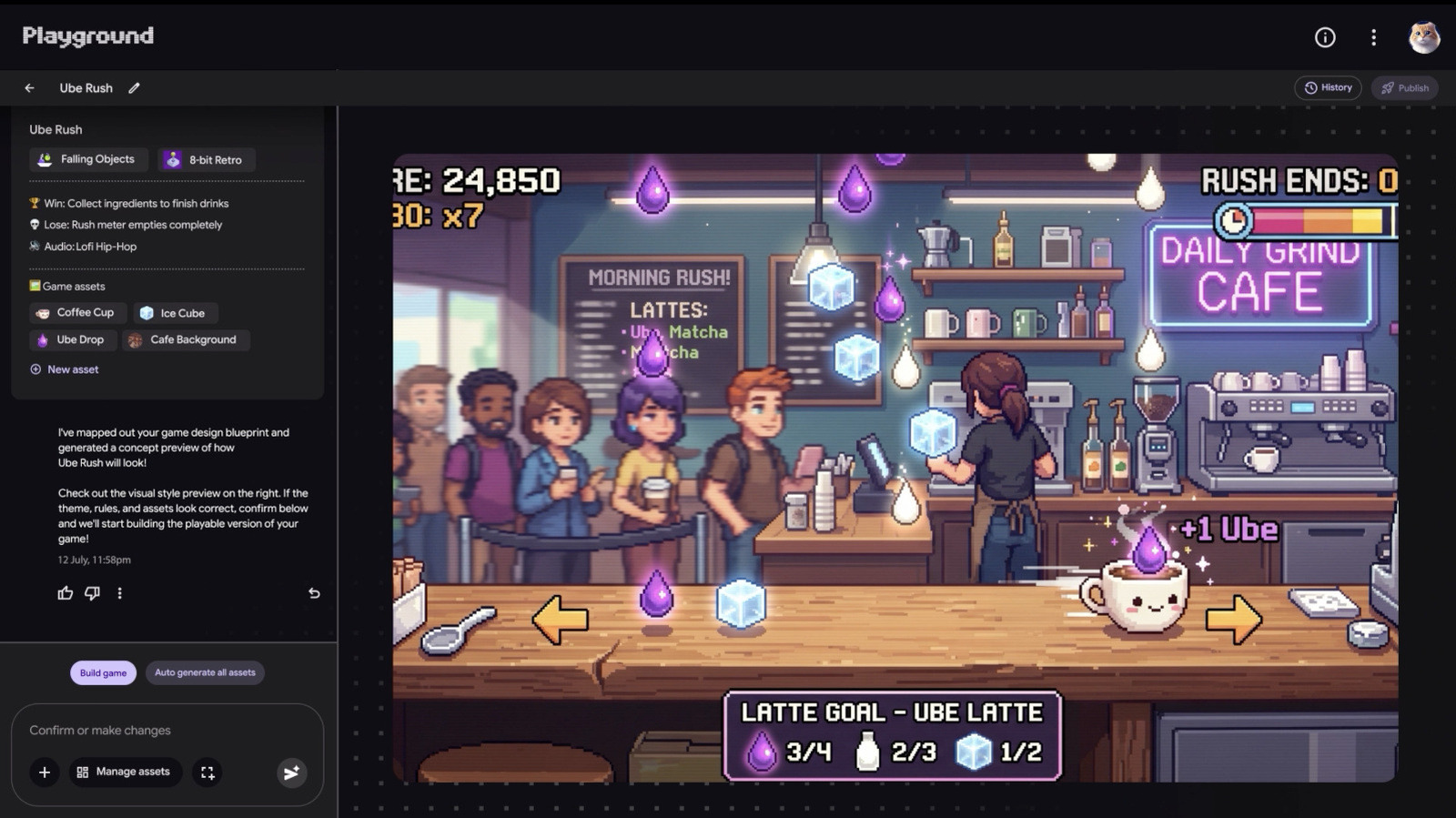
Engadget reported that the beta mapping service MapQuest can now be used with Android Auto. The reflexive response is nostalgia, but the more useful reading is architectural. A mapping brand that once stood alone in a browser is now a component inside someone else's operating system, delivered into someone else's dashboard. That is what mature software categories look like. The value is no longer in the destination or the route; it is in the integration. For US consumers, the practical effect is that choice at the interface does not always mean choice at the layer below. A driver may pick a mapping app, but the app runs inside a platform that sets the terms. That is not a scandal. It is simply where the market has settled, and it is why maintenance now includes keeping a product reachable through partnerships and APIs that the product owner does not control.
Quality Control Moves Into Software
TechCrunch reported that Glimpse launched Explore, image processing software that lets hardware makers speed up quality control checks using CT scanners. This is a maintenance story in a different key. The pitch is not a new factory. The pitch is fewer defects caught later, faster inspection, less rework. That is the economics of upkeep showing up in physical manufacturing, where software is the instrument that finds problems before they become recalls. It matters for US technology companies because advanced manufacturing is one of the few areas where domestic investment has been rising, and the differentiator is increasingly the software wrapped around the tool rather than the tool itself. A CT scanner is capital expenditure. The software that interprets its output is where the recurring value sits. Companies that sell inspection as a one-time purchase will watch that value migrate to whoever maintains the analysis pipeline.