Startup Funding Splits Between Deep Tech and Fast Revenue

Photo: SiliconANGLE

Article

Startup Funding Splits Between Deep Tech and Fast Revenue

Recent startup news shows capital favoring two distinct paths: capital-intensive deep tech and scrappy, fast-revenue software ventures.

ManishankarOctober 6, 20263 min read

The recent startup news reveals a bifurcated funding landscape: massive rounds for capital-intensive deep tech and smaller, disciplined bets on fast-revenue software. Vinci4D's $250 million raise and Melius's $20 million seed exemplify these divergent paths, while a founder summit underscores the operational know-how needed to navigate either route. For US technology companies, this split signals that investors are rewarding both long-term engineering moats and rapid execution, but on very different terms.

The Deep-Tech Mega-Round

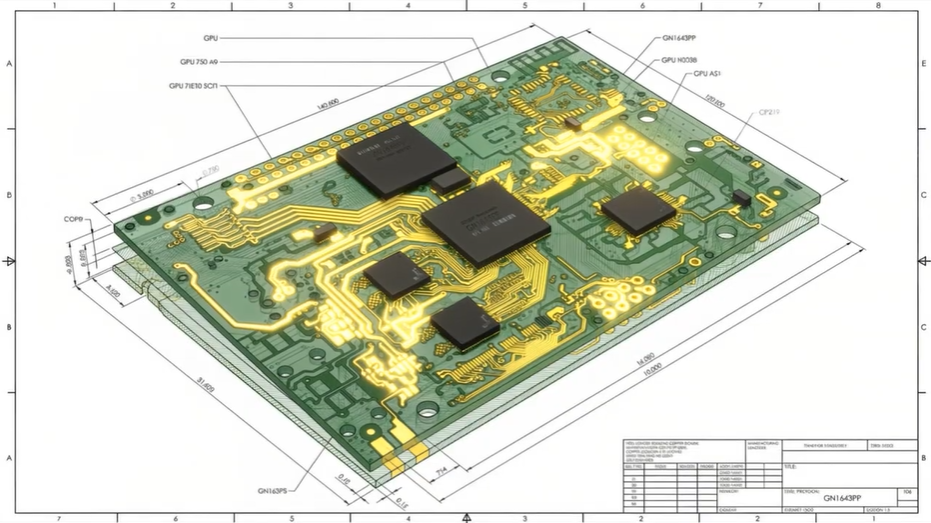
Vinci4D Inc. closed a $250 million Series B at a $1.5 billion valuation, as SiliconANGLE reported. The round was jointly led by Advent, Temasek, and Xora, with participation from AMD Ventures and other startup funds. The company's engineering simulation platform helps hardware engineers identify issues in product designs before physical prototyping. This kind of deep-tech investment requires significant capital to build and scale, and the presence of strategic investors like AMD Ventures suggests corporate interest in simulation tools that can accelerate hardware development. For US hardware companies, such platforms could reduce development cycles and costs, but the high valuation sets expectations for rapid commercialization.

The Lean Software Pivot

In contrast, Melius, founded by former Ramp engineers, raised $20 million after scrapping its first product. As TechCrunch reported, the startup crossed $1 million in annualized revenue within two months of its post-pivot launch. This example highlights a leaner approach: fail fast, pivot, and demonstrate early traction. The modest raise relative to Vinci4D reflects a different risk profile - investors are betting on team pedigree and quick revenue generation rather than capital-intensive R&D. For US startups, this path offers a faster route to product-market fit but may require less capital to scale, potentially attracting a different set of backers.

The Operational Playbook

TechCrunch Founder Summit, scheduled for November 4 at Boston's SoWa Power Station, will bring together investors and operators to share how they've navigated crucial decisions. There isn't a single manual or LLM prompt that can equip founders with the skills to build a company, as TechCrunch noted. This event underscores that regardless of funding path, founders need practical guidance on scaling, fundraising, and other challenges. The summit's focus on real-world experience suggests that the startup community values operational knowledge as much as capital.
What It Means for US Startups

For US technology companies, the current environment offers two viable strategies. Deep-tech ventures like Vinci4D can pursue large rounds from specialized investors, but they must deliver on technical milestones and justify high valuations. Lean software startups like Melius can iterate quickly and raise smaller amounts, but they face pressure to sustain revenue growth. The divergence also affects talent: deep-tech firms may need PhDs and engineers, while software startups can leverage generalist skills. US consumers may benefit from both: advanced simulation tools that improve products and software solutions that address specific pain points faster.

The Investor Perspective

Investors are placing bets on both ends of the spectrum. The Vinci4D round included established venture firms and corporate venture arms, indicating confidence in long-term hardware innovation. Melius's raise, while smaller, shows that seed investors are willing to back pivots if the team demonstrates rapid execution. This suggests a healthy ecosystem where different risk appetites can coexist. However, the high valuation for Vinci4D may set a benchmark that other deep-tech startups struggle to match, potentially leading to a funding gap for those without breakthrough technology.

What to Watch

Looking ahead, watch for how Vinci4D deploys its $250 million and whether it achieves the commercial milestones implied by its $1.5 billion valuation. For Melius, the focus will be on sustaining revenue growth beyond the initial $1 million annualized run rate and whether it can raise a larger round. The TechCrunch Founder Summit on November 4 may provide insights into how founders are navigating these divergent paths. Additionally, the participation of AMD Ventures in Vinci4D's round hints at growing corporate interest in simulation technology, which could spur more deals in that space. As the startup landscape evolves, the balance between deep-tech moonshots and lean software ventures will shape the opportunities for US entrepreneurs and the solutions available to US consumers and businesses.

More on this beat: Companies on TechManNews.

#startup funding#deep tech#software startups#venture capital#US market

Newsletter

Get Tech News in Your Inbox

The latest AI, gadgets, software and startup stories from TechManNews, delivered every morning - free.