The Quiet Gap Between Apple's Software and Hardware
Article

The Quiet Gap Between Apple's Software and Hardware

Apple's iterative hardware updates and small software fixes reveal a company polishing what exists rather than redefining it.

JaysuryaSeptember 26, 20265 min read

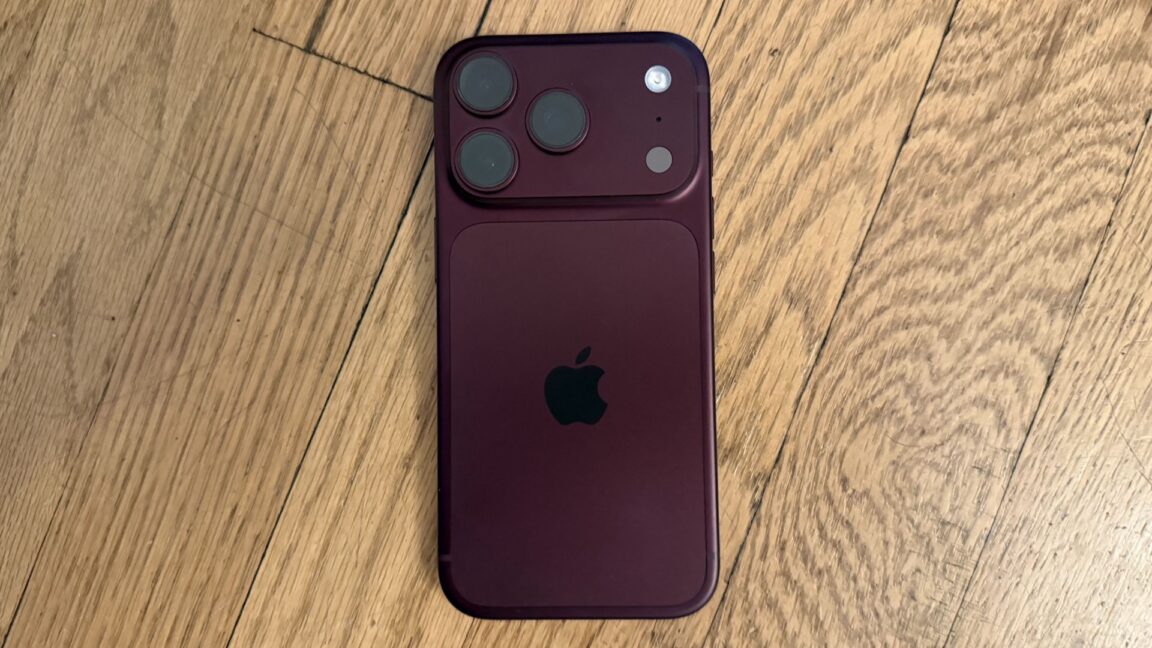
Photo: Ars Technica

The Thread: Incrementalism Everywhere

Across four recent stories from Ars Technica, The Verge, and ZDNET, a single pattern emerges: Apple and its competitors are shipping refinements, not reinventions. The iPhone 18 Pro improves thermals rather than redesigning the phone. Leaked HomePod mini, iPad mini, and Apple TV 4K updates suggest spec bumps. A WatchOS 27 feature solves a specific annoyance. And Meta argues its glasses have a better camera indicator than phones. In each case, the story is about polishing an existing product category, not creating a new one. For US consumers and the US tech market, this matters because the upgrade cycle that drives hardware revenue depends on convincing people that the next device is meaningfully different. When the differences are iterative, the pressure shifts to software and services to justify the purchase.

What the iPhone 18 Pro Review Actually Says

Ars Technica's review calls the iPhone 18 Pro "Apple's coolest smartphone (but only literally)," noting that better thermals and battery life make the update nicer to use. That phrasing is telling. The headline's pun rests on the fact that the phone's most praised quality is temperature management, not a breakthrough feature. The review frames the device as an iterative update, which is consistent with how Apple has positioned its flagship phones in recent years. For US buyers, the practical result is that a two- or three-year-old iPhone still performs well enough that the upgrade case is weaker. The review does not claim the phone is revolutionary; it says it is nicer. That is a meaningful distinction for a market where carriers and retailers depend on annual upgrade cycles.

The Leaked Hardware Refresh Cycle

The Verge reports that leaks reveal a new Apple HomePod mini, iPad mini 8, and Apple TV 4K, with Apple expected to announce more hardware before the end of the year following the debut of the iPhone 18 Pro and folding iPhone Duo earlier this month. The word "expected" matters here. These are not confirmed products, but the pattern of leaks suggests a predictable refresh cadence for accessories and secondary devices. The HomePod mini, iPad mini, and Apple TV 4K are all products that serve specific niches within Apple's ecosystem. Refreshing them keeps them current without requiring Apple to reinvent them. For US consumers, this means more options at various price points, but also more decisions about whether a new chip or a new port is worth replacing a device that still works. The folding iPhone Duo, by contrast, is the one genuinely new form factor mentioned, and it debuted alongside the iterative iPhone 18 Pro.

WatchOS 27 and the Value of Small Fixes

ZDNET's story about a WatchOS 27 feature says it "just solved my biggest issue with Apple Watch," adding that sometimes less is more and the most helpful software update is the simplest. This is the software side of the same pattern. Apple is not adding a headline-grabbing new capability to the Watch; it is fixing a specific, persistent annoyance. For US Apple Watch owners, that kind of fix can matter more than a new sensor. It also reinforces the idea that the Watch's value is increasingly in its software polish, not its hardware generation. The story does not specify what the feature is, but the framing is consistent: the most useful update is the one that removes a friction point, not the one that adds a feature.

Meta's Framing of the Camera Indicator Debate

The Verge reports that Mark Zuckerberg has a new defense of the Ray-Ban Meta glasses: they are actually doing more to signal they are taking a photo than phones do. He has brought this up in at least two recent interviews, noting that the glasses have a light that comes on to signal when a photo is being taken, while phones do not. This is a different kind of incrementalism. Meta is not arguing that its glasses are a new category of device; it is arguing that they are better at a specific behavior than the incumbent. The comparison to phones is a way to reframe the privacy debate around a familiar object. For US consumers, the question is whether a light on a pair of glasses is more or less noticeable than a phone raised to take a picture. Zuckerberg's argument is that the light is a clearer signal. Whether that convinces regulators and bystanders is an open question, but the strategy is clear: compete on trust and transparency rather than on hardware specs alone.

What This Means for the US Market

The common thread across these stories is that the US tech market is in a phase where the leading companies are iterating on established products rather than launching new categories. Apple's iPhone 18 Pro is a better version of the same phone. The leaked HomePod mini, iPad mini, and Apple TV 4K are refreshes of existing devices. WatchOS 27 is a software fix. Meta's glasses are competing on a feature that phones already have, just executed differently. For US consumers, this means the decision to upgrade is less about missing out on a new capability and more about whether the accumulated small improvements are worth the cost. For US tech companies, it means the pressure to differentiate shifts to software, services, and trust signals. The folding iPhone Duo is the exception that proves the rule: it is the one product in this set that represents a new form factor, and it arrived alongside an iterative flagship. The pattern suggests that the next wave of growth will come from convincing people that the small improvements add up, not from a single must-have feature.

What to Watch

The stories above point to a few concrete things to watch. First, whether Apple's expected end-of-year hardware announcements, as reported by The Verge, include any feature that meaningfully changes how the HomePod mini, iPad mini, or Apple TV 4K are used. Second, whether the thermal and battery improvements in the iPhone 18 Pro, noted by Ars Technica, are enough to shift upgrade rates in the US. Third, whether ZDNET's positive framing of a simple WatchOS 27 fix signals a broader shift toward software polish as a selling point. And fourth, whether Zuckerberg's argument about the Ray-Ban Meta glasses' camera light, as reported by The Verge, gains traction with US consumers and regulators. None of these are predictions; they are the open questions that the current pattern leaves unresolved.

More on this beat: Gadgets on TechManNews.

#Apple#Meta#hardware#software#US market#upgrade cycle

Newsletter

Get Tech News in Your Inbox

The latest AI, gadgets, software and startup stories from TechManNews, delivered every morning - free.