The processor industry's most revealing stories this week are not about clock speeds. They are about what happens after the chip ships. A bankrupt developer with an unfulfilled architecture, a virtualization vendor warning that its software will not boot on certain AMD EPYC hosts, and a deep discount on a gaming PC built around a previous-generation Intel Core i9 all describe the same problem: the useful life of a processor is increasingly set by support commitments, not silicon specifications. For US buyers and US technology companies, that reframes the processor decision from a speeds-and-feeds question into a question about who will still be standing when the firmware needs patching.
The Architecture Nobody Can Support
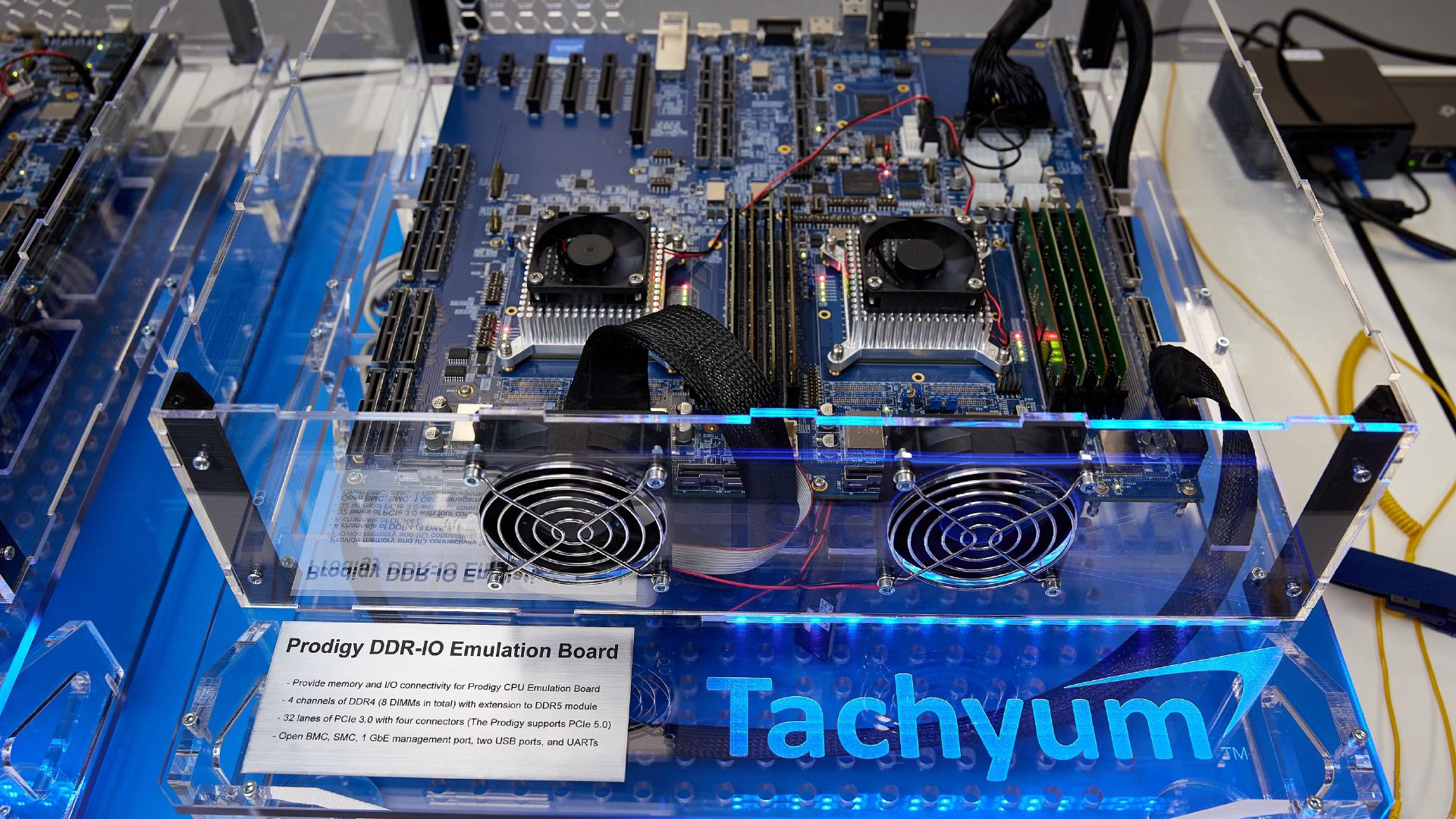
Tachyum, developer of the heavily delayed universal Prodigy processor, has voluntarily filed for bankruptcy, as Tom's Hardware reported, with a court in Bratislava initiating bankruptcy proceedings. The future of the Prodigy IP is unknown. The instructive detail is not the failure itself but the delay that preceded it: a processor that slipped repeatedly and never reached the point where customers could build a support relationship around it. A new architecture asks buyers to accept risk on the promise of future support. When that promise does not materialize, the hardware does not simply become obsolete; it becomes unownable. Nothing in the record suggests the Prodigy design was technically unsound, and nothing in it suggests otherwise. What the filing establishes is narrower and more useful: an architecture without a solvent steward has no support path.
The Boot Failure and the Host CPU
Veeam warned customers about boot failures affecting Software Appliance virtual machines on hosts with AMD EPYC processors, as BleepingComputer reported. This is the mundane version of the same problem. The EPYC processors are shipping and widely deployed, and a major data-protection vendor's appliance still fails to boot on them. For US enterprises running virtualized infrastructure, this is the practical face of processor longevity: a CPU's value depends on the software stack above it continuing to certify it. A processor that is fast, available, and supported by its manufacturer can still be a liability at the host level if the software customers depend on has not validated it. The burden falls on the buyer to check compatibility matrices that change without notice, and on the vendor to fix the gap. Neither party controls the other's timetable.
The Discount as a Signal
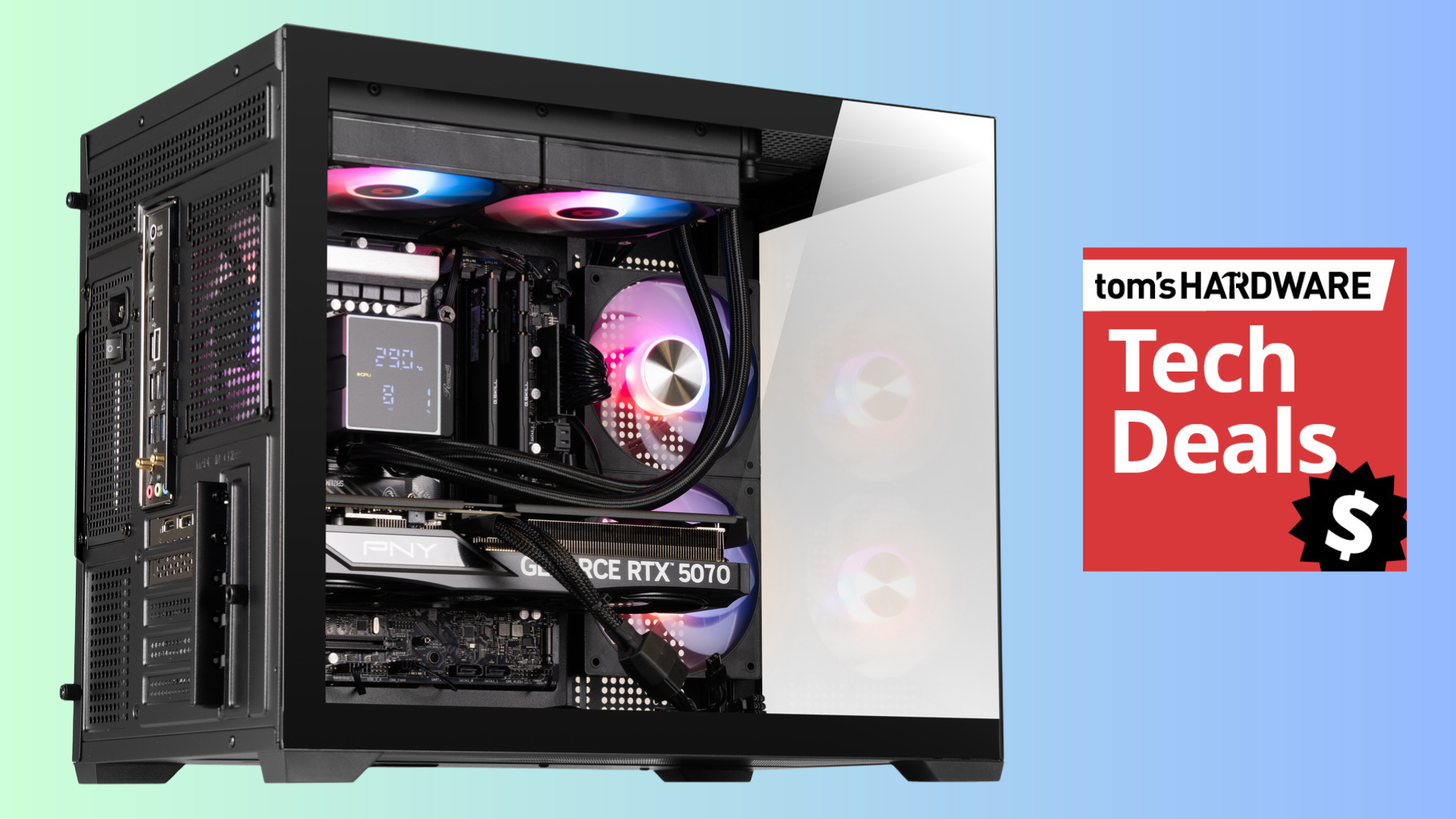
Tom's Hardware also reported a $450 saving on the ABS Stratos II Aqua gaming PC, now $2,549.99 at Newegg, configured with a 24-core Intel Core i9-14900KF, an Nvidia GeForce RTX 5070 Ti, 32GB of DDR5, and a 2TB SSD. The processor at the center of that build is not the newest generation, and the discount is the market pricing that fact. For US consumers, the trade is explicit: lower upfront cost in exchange for a shorter runway of platform-level attention. Buyers are not merely purchasing a core count. They are purchasing the period during which motherboard vendors, firmware maintainers, and software developers will keep treating that part as current. The discount is compensation for a shorter support horizon, and buyers who treat it as pure savings are mispricing the back half of the machine's life.