The Thread
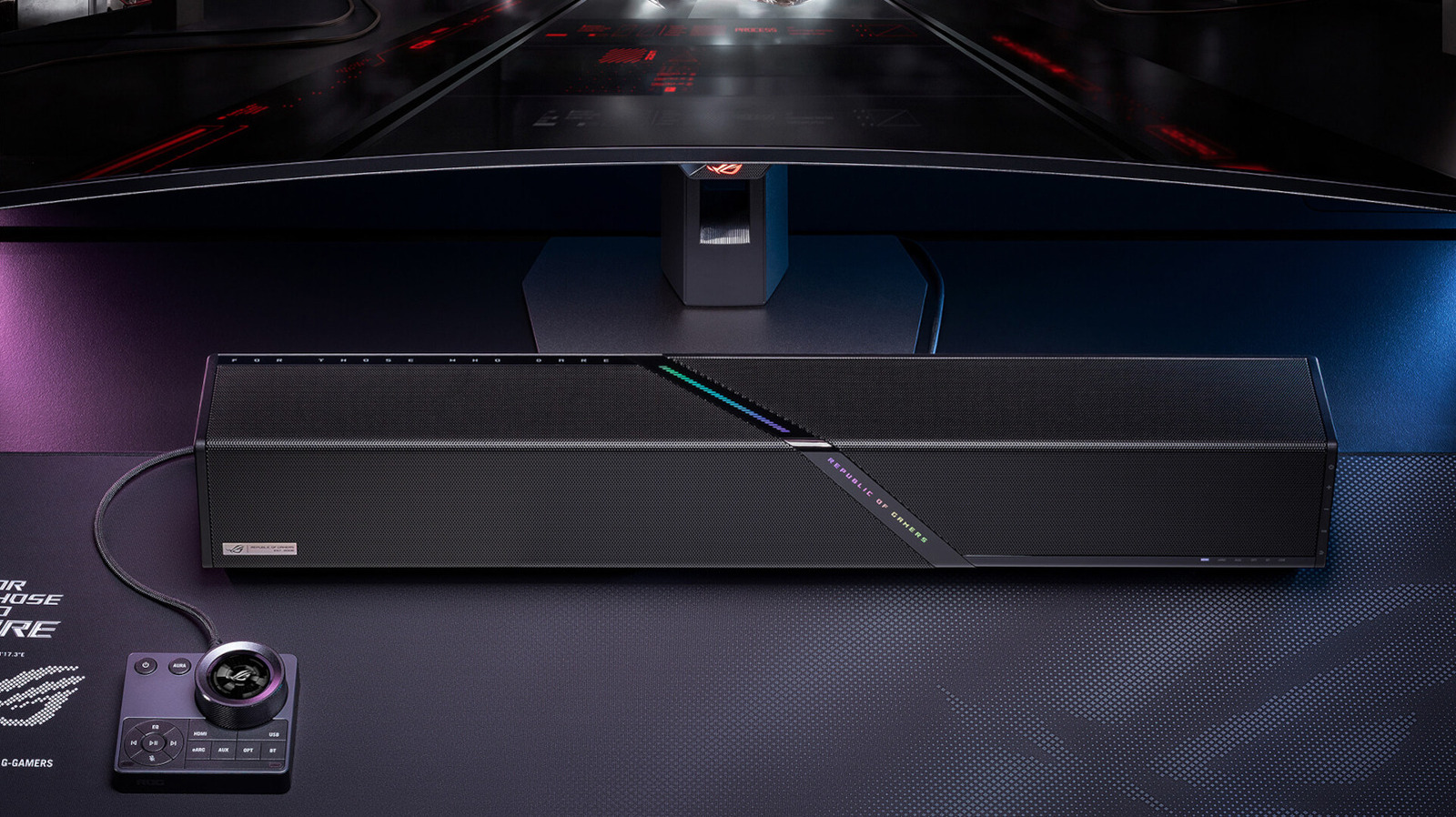
The stories logged on this desk over the past two days share a single, unglamorous thread: the cost of making and delivering consumer technology is rising, and the price is being passed to the US buyer. Whether it is an iPhone, a streaming subscription, a gaming soundbar, or an Amazon listing for electronics, the pattern is consistent. Apple is reportedly set to raise iPhone prices to match or exceed what Google and Samsung have charged, Amazon has raised electronics prices by up to 60 percent citing component costs, ESPN is hiking its streaming plans, and ASUS has launched its first gaming soundbar at $600. These are not isolated events. They are the visible surface of a component cost wave that has been building for months, and the US market is absorbing it now.
Component Inflation Hits the Flagship
The most direct evidence comes from CNET's report on Apple. The Cupertino company apparently intends to raise iPhone prices, and the report frames it as matching, if not exceeding, the pricing moves that Google and Samsung have already made. That is a significant signal. For years, Apple has held a premium position, but it has generally avoided leading the charge on price increases. If Apple is now following Google and Samsung upward, it suggests the cost pressure is not a brand-specific issue. It is systemic. The components inside a modern phone - the silicon, the memory, the display, the camera modules - are all in a tight supply chain that has seen cost increases. When a company as disciplined as Apple moves, it is not because it wants to. It is because the bill for parts has gone up.
For US consumers, this changes the calculus of upgrading. If the iPhone rises to meet or exceed the price of a Samsung or Google flagship, the choice between ecosystems becomes less about features and more about budget. The US market has long been the most profitable for premium phones, and manufacturers have treated it as a place where they can charge a premium. But there is a ceiling for how much a US customer will pay for a pocket computer. The reported move by Apple suggests the industry is testing that ceiling.
The E-Commerce Price Floor Moves Up
Amazon's move is more blunt, and more revealing. CNET reported that Amazon raised its electronics prices by up to 60 percent, with the company blaming component costs. That is a massive jump for a single category, and it did not come with a new product generation or a feature upgrade. It is a pure cost pass-through. The fact that Amazon, which operates on razor-thin margins in many categories, felt compelled to raise prices by that much indicates the component inflation is not a rumor or a hedge. It is hitting the balance sheet.
For the US market, this is a double whammy. Consumers who were already facing higher phone prices from Apple, Google, and Samsung now also face higher prices for the everyday electronics they buy on Amazon - cables, chargers, routers, speakers, and the like. The phrase “RAMageddon” in the CNET headline is a nod to earlier memory price spikes, but this appears broader. It is not just RAM. It is the whole bill of materials. When Amazon, the largest e-commerce platform in the US, raises prices by up to 60 percent in a category, it resets the baseline for what US consumers expect to pay for electronics, and it gives other retailers cover to do the same.
Streaming Inflation Joins the Hardware Squeeze
The Verge reports that ESPN is raising the price of its subscription on September 17th, with the ad-supported Select plan going from $12.99 to $13.99 per month, and the Unlimited plan rising to $31.99. That is a 7.7 percent increase on the entry plan and a similar step on the top tier. The change will also hit Disney Plus bundles, meaning the price hike ripples beyond sports fans into the broader streaming bundle. This is not a component cost issue in the same way as a phone or a soundbar. Streaming does not depend on silicon in the same direct way, but it depends on bandwidth, data centers, and content licensing, all of which have their own inflation. The broader pattern is that the era of cheap, bundled entertainment is ending.
For US consumers, the streaming price hike is the most visible form of inflation because it recurs monthly. A once-off phone price increase stings at the register, but a streaming hike is permanent. And ESPN is a staple in the US sports household. When ESPN goes up, it drags the whole Disney bundle up with it, and that nudges the US household entertainment budget upward in a way that cannot be avoided by skipping a generation of phone upgrades.


