The New Scarcity Is Memory, Not Bandwidth

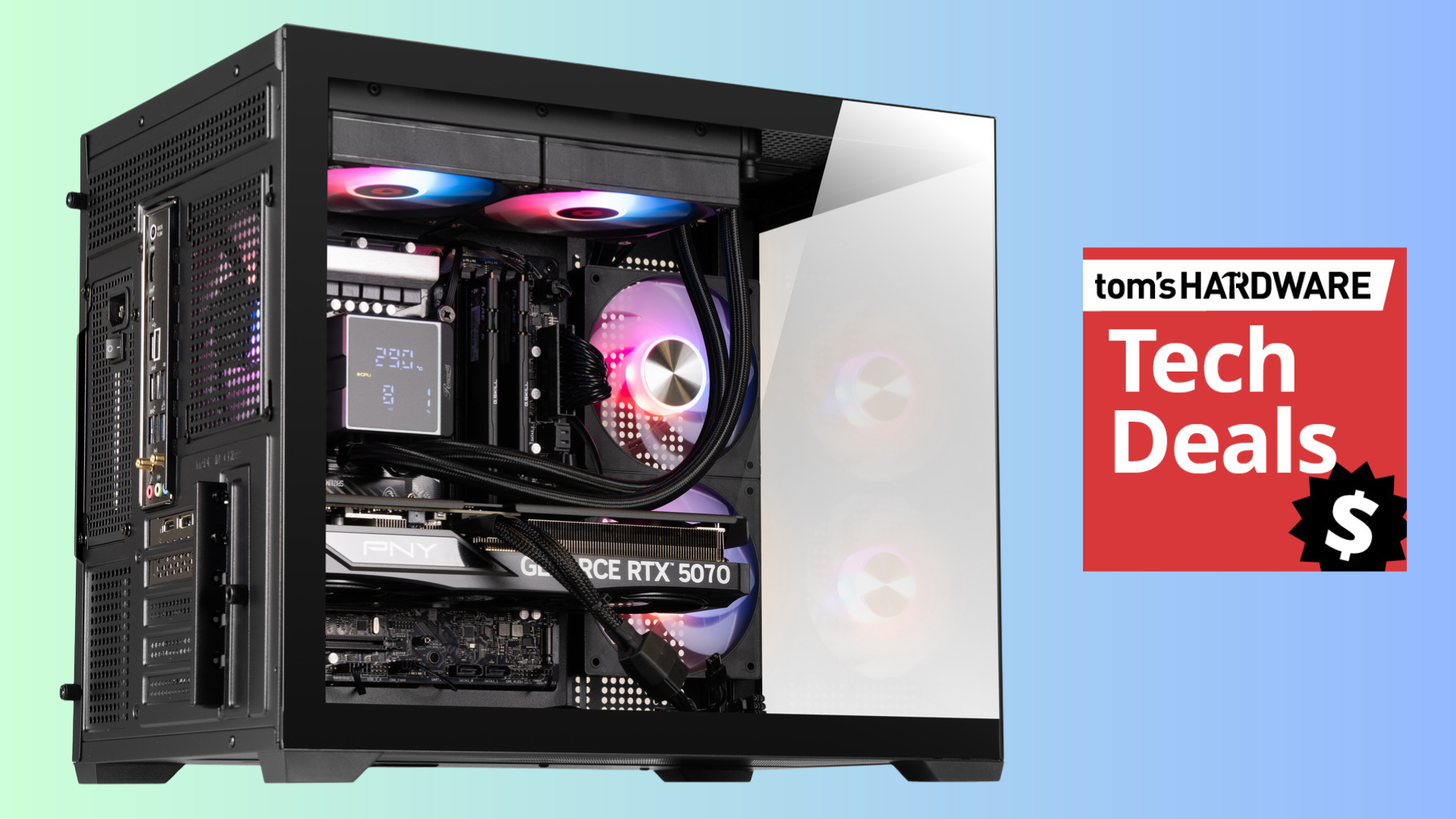
Photo: Tom's Hardware

Article

The New Scarcity Is Memory, Not Bandwidth

ManishankarNovember 5, 20264 min read

Four unrelated stories point to the same shift: memory and efficiency are becoming the binding constraint on US computing, while cheap bandwidth stops being the story.

The stories on this desk look unrelated, but they share one thread: the constraint in US computing is migrating from the network to the machine. Bandwidth is getting cheaper and faster while memory - and the efficiency of the software that consumes it - is becoming the thing companies compete over. Read together, a $90 fiber plan, a record AMD quarter marred by a gaming collapse, a CEO's late-night posting about RAM, and a DNS service cutting memory use by 85 percent are all arguments about the same scarce resource.

Bandwidth Is Becoming Table Stakes

T-Mobile's new offer of up to 5 Gbps fiber internet for less than $100 a month, reported by Tom's Hardware, is the clearest signal that raw connectivity is being priced as a commodity. A five-gigabit connection at a sub-$100 monthly rate would have been a premium product not long ago; now it is a marketing position. For US consumers, the practical effect is that the pipe is increasingly not the bottleneck. Whatever is slowing down a household's computing experience is more likely to sit inside the devices and services at either end of that pipe than in the connection itself. That reframes where US technology companies have to compete: not on delivering more bits, but on what their hardware and software do with the bits they already have.

The Memory Conversation Goes Mainstream

The strangest item on the desk is also the most telling. OpenAI CEO Sam Altman spent election night defending his position on PC RAM purchases, according to The Verge, changing his name on X to "Ram Altman" and writing that he wants "the world to have tons of memory and people to put as much as they want in their computers." The substance is thin; the signal is not. A consumer memory specification has become a topic prominent enough that the head of the most visible AI company in the US felt obliged to address it publicly, at length, in his own voice. When RAM purchasing advice turns into a public posture from an AI executive, memory has crossed from a component-shopping detail into a mainstream technology concern. For US consumers, that means the question of how much memory a machine carries is now part of the cultural conversation around AI, not just a line on a spec sheet.

AMD's Split Quarter Shows Where Demand Sits

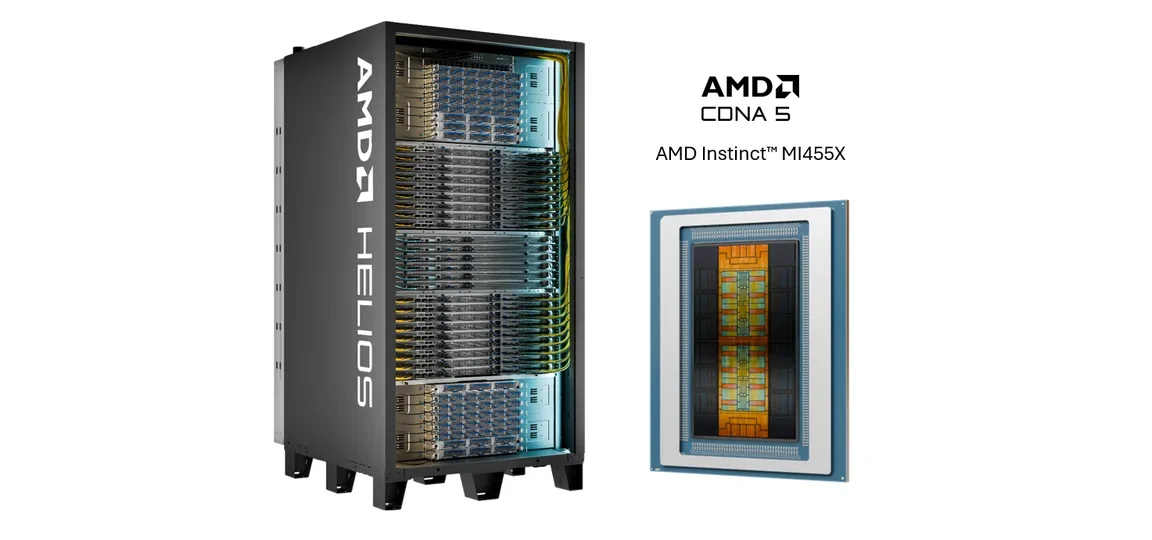
AMD's record $13.4 billion quarter, reported by Ars Technica, contains the same tension in financial form: data center business doubled while gaming revenue fell 40 percent. A company can post a record quarter while one of its consumer-facing segments craters, and that is what happened here. The demand pulling AMD forward is concentrated in data center capacity, the kind of infrastructure that AI workloads consume, while the gaming segment that has historically anchored consumer GPU and console interest contracted sharply. For the US market, the implication is structural: the money and the growth are on the infrastructure side, and the consumer side is not carrying the same weight. That asymmetry matters for how US chip firms allocate capacity, and for what US buyers of consumer hardware can expect in terms of attention and pricing.
Efficiency Is the New Performance Metric

The Cloudflare item, also from Tom's Hardware, is the quiet counterargument to all the demand-side enthusiasm. Engineers there optimized DNS-building services for twice the speed and 85 percent lower RAM usage. That is not a headline-grabbing capability; it is a demonstration that a great deal of performance is still available from better engineering rather than more hardware. In a moment when memory is the constrained resource and data center demand is doubling, an 85 percent reduction in RAM usage is worth as much as a capacity expansion, and it arrives faster. For US technology companies, this is the practical lesson of the pattern: the firms that treat memory efficiency as a first-class engineering goal will need less of the scarce resource everyone else is bidding for.

Why This Matters for the US Market

The four stories describe a market where the cheap, abundant input is connectivity and the contested input is memory and the compute capacity built around it. T-Mobile can sell 5 Gbps for under $100 because bandwidth stopped being the differentiator. AMD's growth sits in data center because that is where the demand is concentrated. Altman is answering questions about PC RAM because memory has become a public-facing concern. Cloudflare is cutting RAM use by 85 percent because doing so is now a competitive advantage. For US consumers, the near-term consequence is that the marketing emphasis is likely to shift toward what devices and services can do with memory and local compute rather than toward connection speed. For US companies, the strategic consequence is that efficiency engineering and data center capacity are pulling in the same direction, and the firms that ignore either half of that pair will find themselves on the wrong side of the split AMD just reported.

What to Watch

The next signals to track are concrete. Watch whether other US carriers respond to T-Mobile's sub-$100 5 Gbps positioning, which would confirm that bandwidth pricing is in a durable downward push. Watch AMD's next quarterly report for whether the data center doubling and the 40 percent gaming decline persist as a pattern rather than a single quarter. Watch whether the public conversation around PC memory that Altman engaged with on election night translates into visible changes in how US consumers buy machines. And watch whether Cloudflare-style efficiency gains - twice the speed, 85 percent less RAM - get replicated elsewhere, because if they do, the scarcity argument weakens faster than the demand-side stories suggest. The thread running through all four is simple: in the US market, memory and efficiency now matter more than the pipe.

More on this beat: Hardware on TechManNews.

#memory#data centers#AMD#cloud infrastructure#US market#consumer hardware

Newsletter

Get Tech News in Your Inbox

The latest AI, gadgets, software and startup stories from TechManNews, delivered every morning - free.