The Laptop Industry Keeps Relearning What Owners Already Know
Article

The Laptop Industry Keeps Relearning What Owners Already Know

Three recent stories about the XO-1, dusty fans, and reused netbooks point to a split between what laptops are sold as and what they are for.

HemeswariSeptember 27, 20265 min read

Photo: The Verge

The laptop business keeps making the same mistake in both directions: it overpromises what a new machine can do for the world, and it undervalues what an old machine can still do in a home. Three recent stories on this beat - one about the failure of One Laptop Per Child's XO-1, one about cleaning a laptop fan, and one about turning an old netbook into a smart home hub - describe the same wedge. The industry's grandest ambitions and its most practical realities are not just different in scale; they are aimed at different owners.

The XO-1 Was a Mission Before It Was a Product

The Verge's retrospective on One Laptop Per Child frames the initiative the way its founders did: as an idea big and exciting enough to feel like it could fix everything, with the XO-1 built specifically to be given away. That is a hardware program organized around a theory of change rather than around a customer. The people doing the thinking and the executives doing the backing were in Silicon Valley, while the intended users were children whose governments, schools, and families would have to absorb the machine into daily life. The Verge's account presents the initiative as one that never stood a chance, and the reason is not that the engineering was unambitious. It is that the ambition was pointed at institutions and abstractions - every kid in the world - instead of at the messy conditions in which a laptop actually gets used, maintained, and repaired.

That failure matters in 2026 because the same instinct keeps resurfacing. The laptop remains the device the industry reaches for when it wants to make a statement about access, education, or productivity. But a laptop that arrives without a support structure is not a solution; it is a shipment. The XO-1 story is usually told as a story about idealism meeting reality. Read from this beat, it is a story about a product that was never designed to be owned in the ordinary sense.

Owners Are the Ones Who Keep Machines Alive

Against that backdrop, Engadget's guide to cleaning a laptop fan reads almost like an argument. Its first instruction is to start with the vents before reaching for a screwdriver - an acknowledgment that most of what goes wrong with a laptop is not a failure of vision but a failure of airflow. The piece is practical, and its practicality is the point. A machine's useful life is extended by the person sitting in front of it, not by the company that sold it.

US consumers have been living this for years. The upgrade cycle that manufacturers would prefer has never fully matched how people treat a laptop that still turns on. When a fan gets loud or a machine runs hot, the owner's first question is whether it can be fixed, not whether it can be replaced. Tech journalism answers that question with maintenance advice because that is where the demand actually is.

The Old Netbook Finds a Second Job

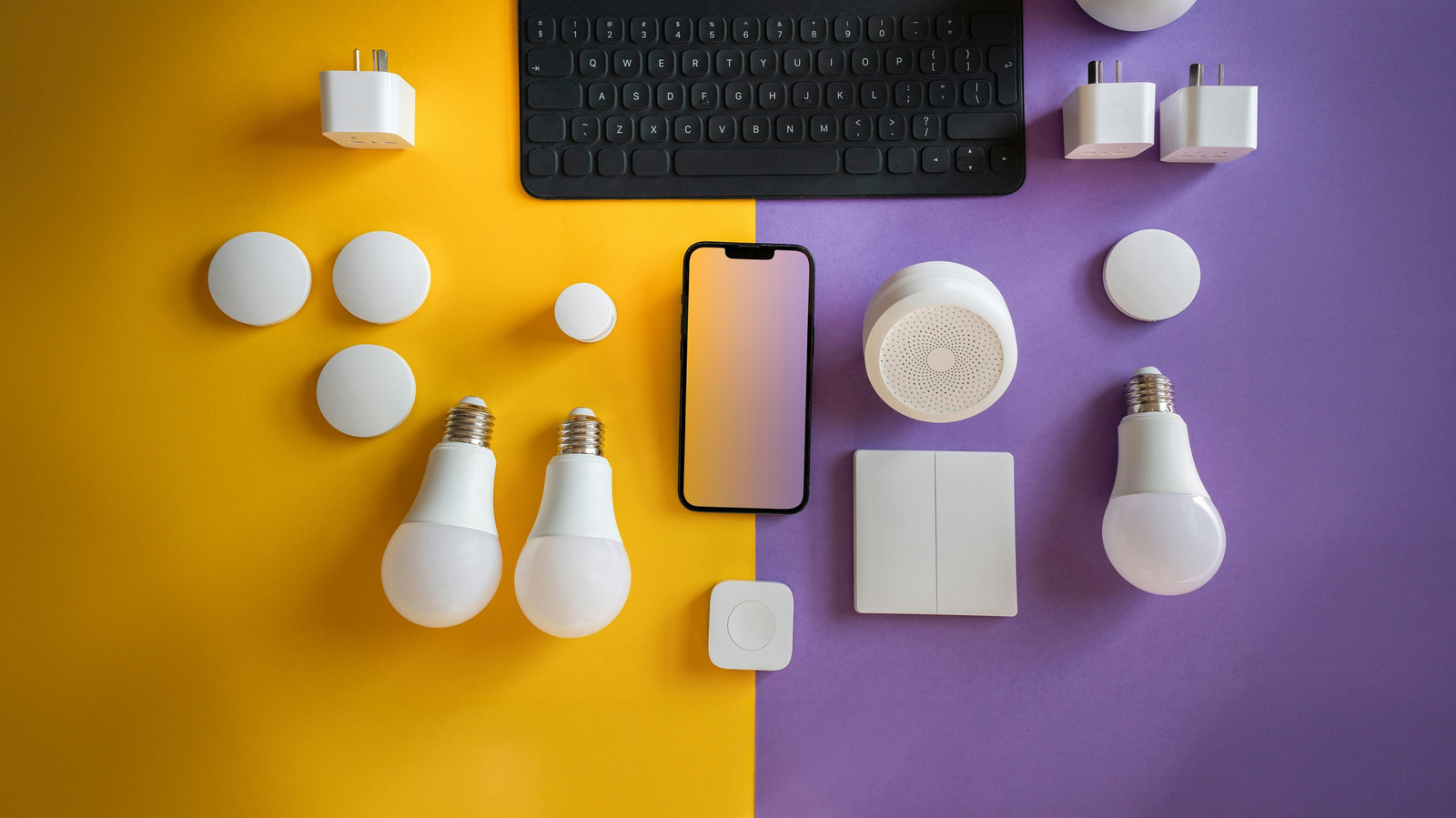
Engadget's second relevant piece goes further: an old netbook can be turned into a smart home hub, automating devices that otherwise are not interested in talking to one another. This is the mirror image of the XO-1 problem. Instead of a new machine designed for a grand mission, it is an old machine assigned a modest, specific job that fits the hardware's real limits. The netbook does not need to be powerful. It needs to sit somewhere, stay on, and speak enough protocols to bridge the gaps between devices that refuse to interoperate.

For US households, that is a meaningful shift in how a laptop is valued. The second-hand market for PCs has always existed, but it has mostly been about cost. What Engadget describes is about utility: a machine that is no longer good enough for its original purpose is still good enough for a different one. The constraint is not the processor. It is whether the owner knows what the machine can be repurposed to do.

What This Means for US Buyers and US Vendors

Taken together, the three stories suggest a laptop market that is being pulled apart by two incompatible narratives. The first narrative says a laptop is a platform for transformation, and it is sold to institutions, schools, and programs. The second says a laptop is a durable appliance that a household maintains, repairs, and eventually reassigns. American technology companies have generally invested in the first narrative, because it supports new-unit sales and higher price points. American consumers have generally behaved according to the second, because it matches their budgets and their tolerance for tinkering.

The tension has consequences on both sides of the transaction. For vendors, the repurposing trend is a quiet form of competition: every old netbook pressed into service as a hub is a device that did not need to be replaced by a purpose-built one. That is not a crisis, but it is a ceiling. For buyers, the maintenance and reuse stories are a reminder that the useful life of a laptop is partly a function of the attention paid to it. Cleaning a fan is not glamorous. It is, however, the difference between a machine that lasts and a machine that gets replaced.

The XO-1 story supplies the cautionary version. A laptop designed to be given away, aimed at a mission rather than an owner, did not survive contact with the world it was meant to serve. The fan and netbook stories supply the working version. A laptop that is owned, maintained, and given a job tends to stay in service longer than anyone planned.

What to Watch

Watch how the repurposing conversation develops on this beat. Engadget's two pieces point at maintenance and reuse as live topics for laptop owners, and the fact that both were logged as news suggests the audience for them is real rather than nostalgic. If more coverage follows on extending the life of existing machines, that is a signal that the practical frame is gaining ground.

Watch, too, whether the institutional frame returns. The Verge's XO-1 retrospective is a look backward, but the impulse behind it - a laptop as the vehicle for a sweeping social goal - has not disappeared from the industry. The question for US companies and US consumers is which frame the next round of laptop products is built around. The material above does not answer that. It does show that the two frames have very different track records.

More on this beat: Gadgets on TechManNews.

#laptops#PC hardware#repairability#OLPC#smart home#US market

Newsletter

Get Tech News in Your Inbox

The latest AI, gadgets, software and startup stories from TechManNews, delivered every morning - free.