The through-line in this week's GPU news is scarcity, and specifically the way scarcity has migrated from the chip itself to everything around it. A twentieth-anniversary nostalgia piece, a violent protest at a Microsoft construction site and a grim supply outlook look unrelated until you notice they all describe the same thing: demand for AI hardware has outrun the physical capacity to build and site it. For US buyers, that means the defining question of 2026 is not which GPU to buy but whether one can be had, where it will live, and who gets to object.
A Birthday That Measures Distance
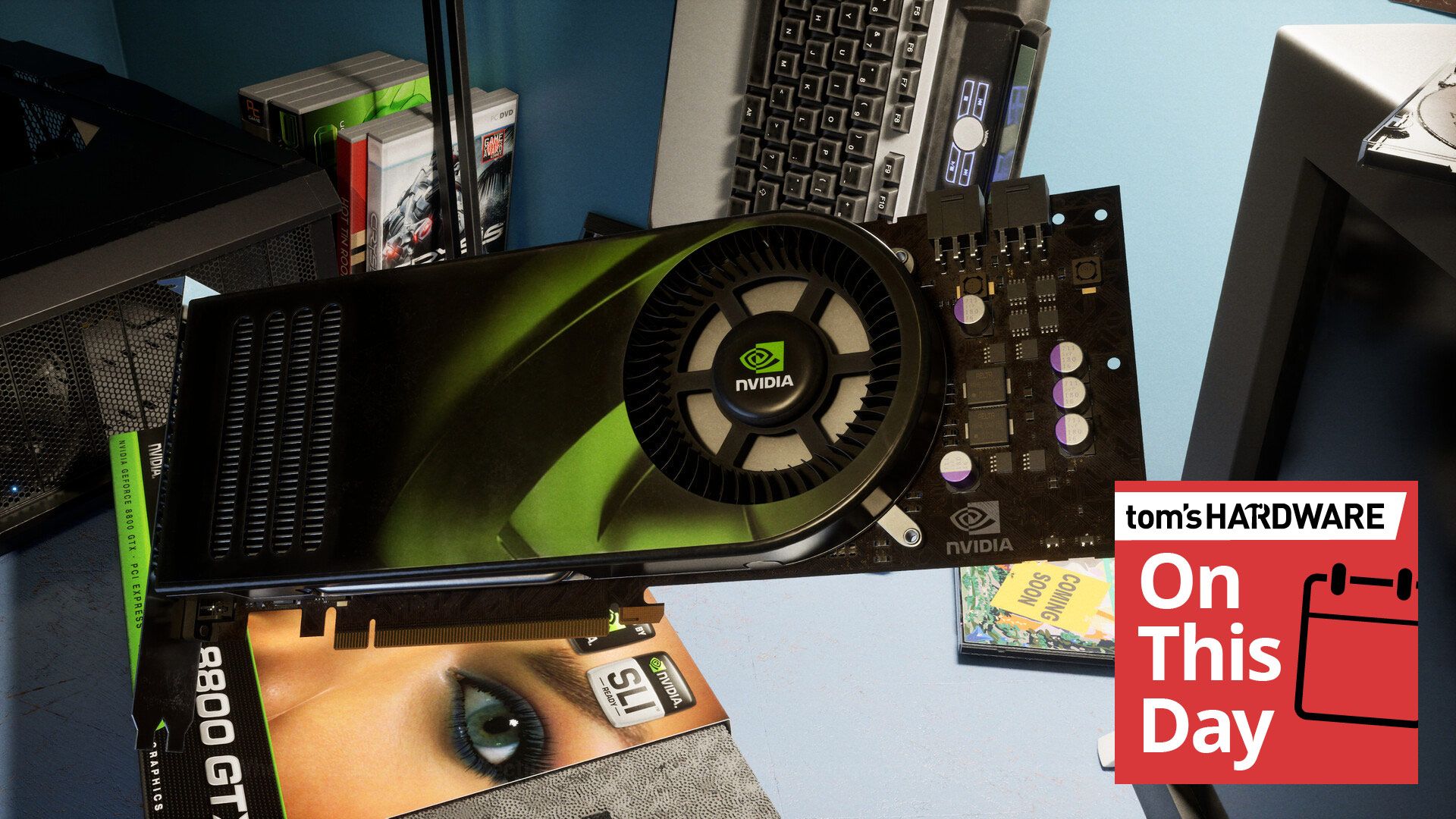
Nvidia marked twenty years since the GeForce 8800 GTX with a free interactive Steam demo, as Tom's Hardware reported. The 8800 GTX arrived on this day in 2006 and became a landmark consumer graphics card. The anniversary is a useful yardstick precisely because the contrast is so stark. In 2006 the constraint on graphics hardware was engineering ambition aimed at gamers; today the constraint is the supply of memory, and the customer base has widened to include every company building AI systems. A card celebrated for what it could render now sits at the head of a lineage whose latest members are fought over as industrial inputs. The homage is charming, but it also quietly documents how far the consumer GPU has been pulled into a larger contest, one where a gaming card's descendants are allocated before ordinary buyers ever see a listing.
Supply Is the Story Now
Engadget's assessment is blunt: GPU prices have soared as the supply of memory has tightened, and there is no end in sight. The report notes a few optimists disagree, but the dominant expectation is continued pressure. This is the thread that ties the week together. When memory, not compute design, becomes the binding constraint, the entire market's behavior changes. Pricing stops responding to competition in the usual way and starts responding to allocation. US consumers feel this directly at retail, where graphics cards that were once a discretionary upgrade become a budgeting decision. US technology companies feel it in procurement, where the question shifts from negotiating price to securing volume. And the optimism Engadget flags is worth noting without being overstated: it is a minority view, and the reporting does not supply a timeline for relief.
When Building the Data Center Becomes the Flashpoint
The second story moves the scarcity from the component to the site. Hundreds were arrested after a Microsoft data center protest turned violent, Tom's Hardware reported, with the action leading to the arrest of 150 to 200 protesters. The outlet noted it was unclear which group entered the construction site first. The detail matters because it locates the dispute at the physical edge of the AI buildout. GPUs and the memory that feeds them require buildings, power and land, and those things sit inside communities rather than inside supply chains. For US technology companies, this is a new category of risk on the hardware beat: a GPU order is only as good as the facility that will house it, and a facility is only as good as its local acceptance. The arrest figures describe a confrontation, not a resolution, and the reporting does not identify the groups involved or assign fault.