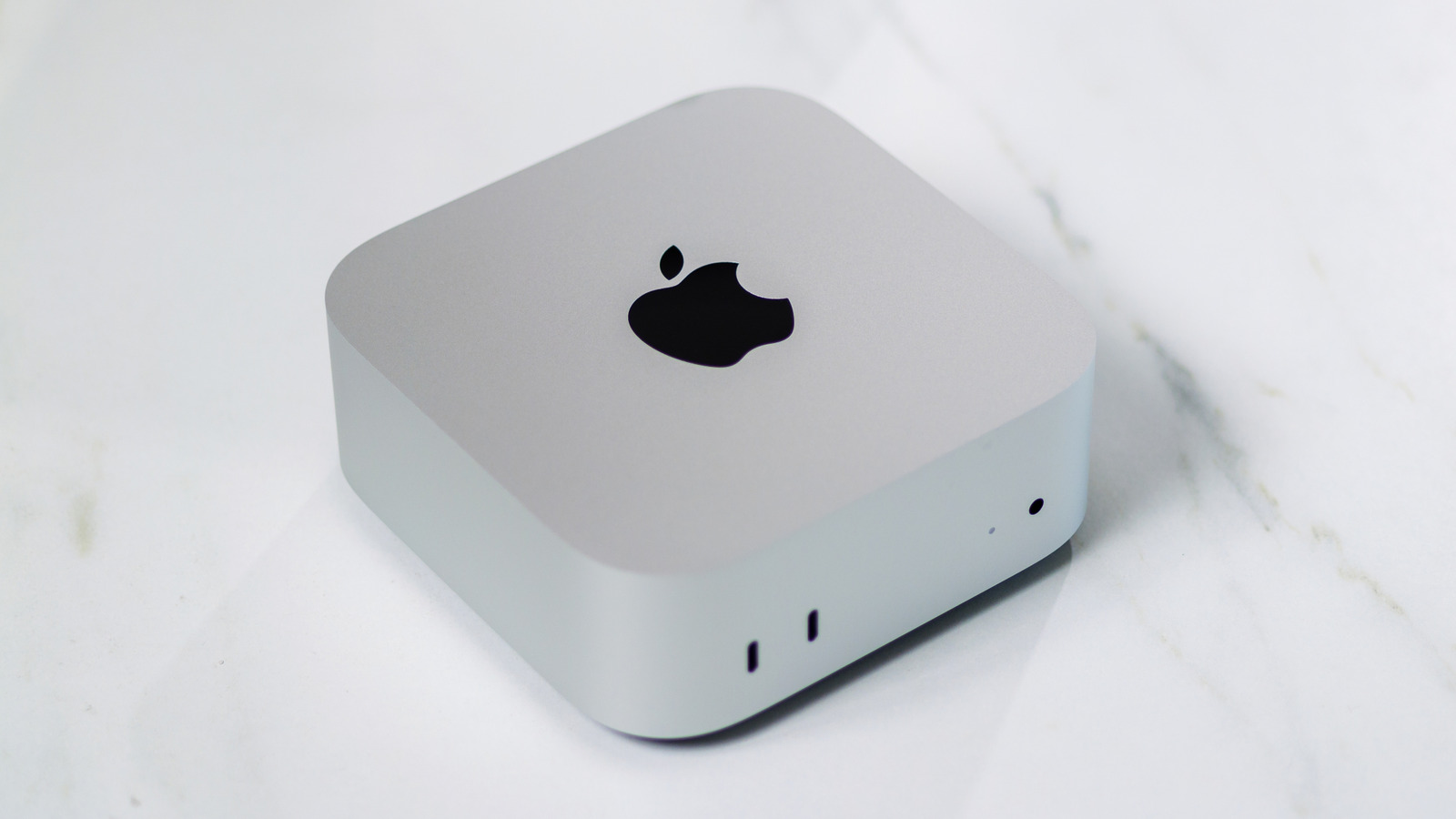
The recent run of laptop-and-PC coverage points to a single underlying pattern: the center of gravity in personal computing has moved back toward the desk. The Mac mini's price advantage over a MacBook, the case against MacBook screen protectors, and the outsized payoff of a second monitor all describe buyers who are treating the laptop as one component of a fixed workstation rather than as a self-contained machine. That reframing is quietly reshaping what US consumers value, what US PC makers prioritize, and where the margins sit.
The economics of separating screen from computer
Engadget's explainer on why the Mac mini is cheaper than a MacBook rests on a structural fact rather than a marketing decision. A laptop bundles a display, a battery, a keyboard, a trackpad, a hinge and the engineering to make all of it survive being carried around. A small desktop box bundles none of that. The parts a buyer already owns, or can buy separately and keep, do not have to be repurchased inside the machine.
That matters most in the United States, where the desktop has not disappeared so much as migrated. The home office built during the remote-work era is now often a permanent fixture, and the marginal cost of adding a desktop to a household that already has a laptop is far lower than the cost of replacing that laptop with a better one. A buyer who already has a monitor, a keyboard and a mouse is effectively assembling a computer from parts they can reuse, and the Mac mini is priced to reward exactly that behavior.
The flip side is that the laptop premium is not going away, because portability is real engineering. The question for US buyers is no longer which machine is better but how many of the bundled components they actually need to pay for twice.
The screen protector as a symptom
Engadget's warning against using a screen protector on a MacBook looks like a narrow accessory tip. Read alongside the price story, it is evidence of a broader truth: the laptop's integrated design makes it harder to treat any one part as disposable.
A phone screen is a slab of glass that a cheap film can plausibly shield. A laptop lid is a precision assembly with tight clearance between the display and the chassis, and Apple's own tolerances leave little room for added material. Adding a layer can interfere with how the lid closes and how the display behaves, which is precisely why the advice is to avoid it rather than to buy a better one.
The consumer takeaway is that laptops punish improvisation. The desktop does not. A monitor can be swapped, angled, replaced or supplemented. A laptop display is welded into the product's identity, and every accessory aimed at it carries a risk that a desktop component simply does not. US accessory makers have built substantial businesses on the assumption that every screen wants protection. On the laptop side, that assumption is weaker than it looks.
Why a second monitor keeps paying off
The third story is the one that ties the other two together. Engadget's piece on the benefits of a second monitor makes a deliberately unglamorous argument: more screen space helps even when the work is not video editing or accounting. The benefit is not confined to intensive tasks.
This is the demand signal that the Mac mini story answers and the screen protector story illustrates. Once a user decides that screen area is the binding constraint, the logic of the purchase changes. A second monitor is a cheaper upgrade than a new laptop. It is also a more durable one, because it survives the next computer purchase. The monitor becomes infrastructure; the computer becomes the replaceable part.
For US consumers, that inversion is meaningful. The largest single line item in a workstation can now be something that outlives two or three machines. The laptop, meanwhile, is increasingly judged on what it does when it is not at the desk, which is a narrower and more honest test than the one it faced when it was the only computer in the house.


