The smartphone has stopped behaving like a sealed box and started behaving like a system that owners are expected to maintain. Three recent stories on this beat - an app that pairs an Apple Watch with an Android phone, a fix for iPhone Always-On Display behavior, and a built-in hardware test on Samsung Galaxy devices - all describe the same underlying shift. The value of a phone now depends less on what ships inside it and more on whether the user can extend it, tune it, and diagnose it after purchase.
The upgrade cycle is no longer the whole story
For most of the smartphone era, the primary relationship a US consumer had with a device was acquisition. A new model arrived, a carrier contract or trade-in made it affordable, and the old handset was discarded. That model assumed the phone was the unit of value and everything around it was disposable.
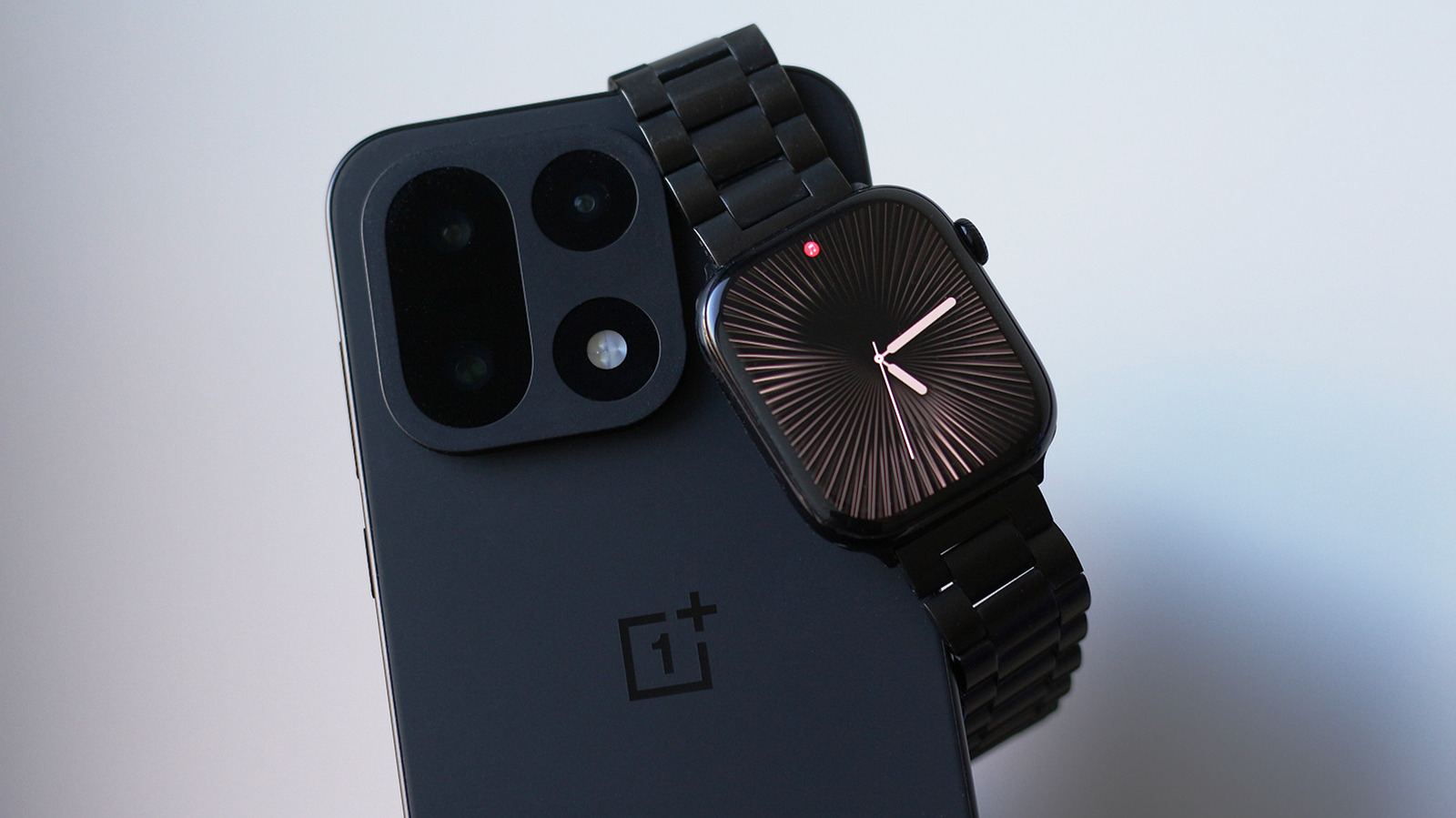
The first story undermines that assumption directly. As Engadget reports, if someone switches from iPhone to Android, they do not necessarily need to change watches - an app allows the Apple Watch to work with an Android phone. That is a small technical detail with a large implication. The watch is expensive, personal, and often the most worn piece of technology a consumer owns. Decoupling it from the phone's operating system means the phone becomes replaceable without dragging the rest of the setup along with it.
This matters specifically in the US market, where Apple's ecosystem lock-in has long been treated as the strongest retention mechanism in consumer technology. A cross-platform bridge does not break that lock, but it loosens it. The switching cost that carriers and manufacturers have relied on is now partially negotiable software.
Maintenance is now a consumer-facing feature
The second story is about the iPhone's Always-On Display, which as Engadget reports can turn off in several situations, and some of those situations are controllable. On its face this is a settings tip. Structurally, it is an admission that the phone's behavior is not fixed at the factory.
Always-On Display sits at the intersection of two things US consumers care about: battery life and glanceable information. The feature's behavior depends on conditions - how the phone is stored, what is covering the screen, what the user has configured. The owner is not just a buyer but a tuner. Getting the feature to behave as expected requires understanding the device's rules.
That is a different kind of product knowledge than earlier generations of smartphones demanded. The phone no longer has a single correct configuration. It has a set of defaults that may or may not match how a specific person uses it.
Diagnosis comes to the handset
The third story extends the same logic to hardware. As Engadget reports, Samsung Galaxy owners can test just about any element of the phone's hardware using a built-in test, which is useful when a phone is acting strangely.
A built-in diagnostic suite is not a new idea in computing, but its appearance as a consumer feature on a mainstream handset is telling. It means the manufacturer expects users to investigate problems themselves rather than immediately routing every issue through a carrier store, a warranty claim, or a replacement. For US consumers, that is a meaningful change. Repair and replacement have historically been expensive and slow, and the ability to distinguish a software glitch from a failing component is the difference between a support ticket and a non-event.