The semiconductor story is no longer told by what sits inside the package. Three recent items on this beat - Google's orbital chip launch, Nvidia's talk about tokens and power efficiency, and OpenAI's Jalapeño inference chip - all point to the same shift: the value of chips is increasingly set by the system around them. For US chipmakers and their customers, that means the competitive question is moving from transistor count to how silicon, power, networking and software turn capacity into useful work.
Orbit Is Now a Chip Question
Google launched its first advanced chip into orbit, according to TechCrunch, a step the company framed as paving the way for space data centers. The same report notes Google's view that SpaceX's Starship would need roughly 1,600 launches before space data centers get off the ground. The number is a reminder that even the most advanced silicon is bounded by the infrastructure that gets it to where it runs. A chip in orbit is still a chip in a system that has to be launched, powered and connected.
That matters for US semiconductor companies because it widens the definition of a customer and a constraint. If orbital compute becomes viable, the buyers of advanced chips are not only terrestrial data center operators but also launch providers, satellite integrators and the agencies that license them. The 1,600-launch figure attributed by TechCrunch to Google suggests the gating factor is not chip design but the cadence and cost of heavy-lift launch. For US firms weighing investment in space-facing compute, the near-term signal is that the chip is ready before the logistics are.
Nvidia Redefines the Unit of Competition
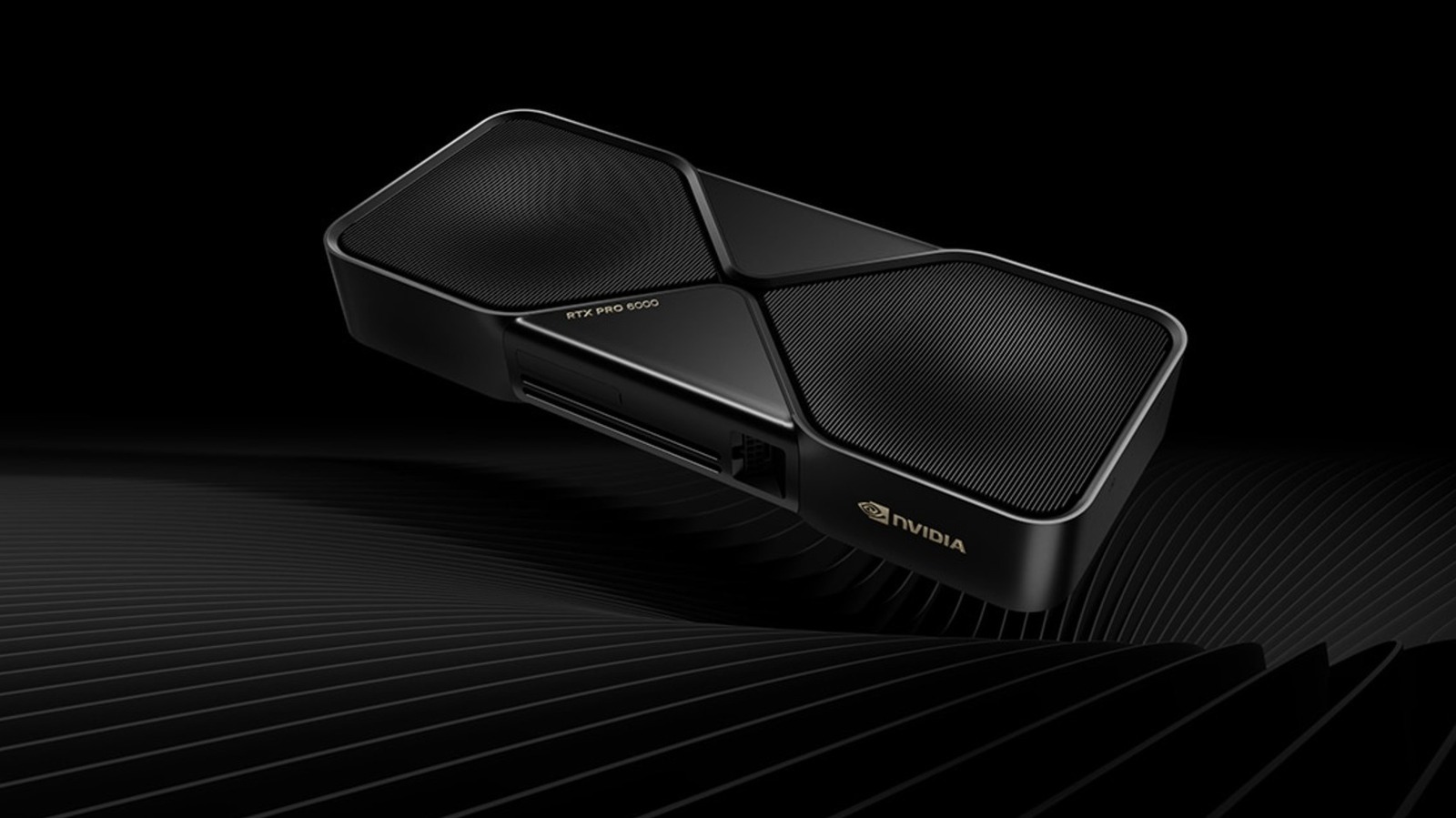
Nvidia's framing, as reported by SiliconANGLE, ties AI factory economics to tokens and power efficiency. The report notes that agentic systems draw on multiple models, databases and tools, so the entire data center must work as one computing system. That transition, per the report, is shifting attention from individual chips to the infrastructure that turns computing capacity into useful intelligence, spanning networking, storage and processors.
This is a notable rhetorical move from the company that built its position on GPU leadership. It says the relevant metric is not a chip's peak throughput but how many tokens a facility delivers per unit of power. For US data center operators and their investors, that changes procurement math. A GPU that looks expensive per unit can be cheap per token if the surrounding network and storage do not stall it. Conversely, a cheaper chip can lose on total cost if it forces the rest of the facility to idle. The SiliconANGLE report does not offer figures, and none should be assumed, but the direction is clear: the system, not the socket, is the product.
Inference Moves to Center Stage
OpenAI's Jalapeño inference chip, discussed in a Tom's Hardware interview transcript with the company's hardware boss, adds a third data point. The interview is presented as an unredacted transcript about a chart-topping inference chip. Two things stand out from the framing alone. First, inference - not training - is the workload being productized. Second, a model developer is now a chip designer, which puts it in the same arena as established semiconductor vendors.