The Quiet Thread
Across the last two days of hardware coverage, one pattern binds otherwise unrelated items: the PC industry is racing to make computing physically smaller, cooler, and more power-efficient, even as it struggles to deliver those gains at prices and timelines the US market will accept. Lenovo's solid-state cooling concept, Intel's delayed Nova Lake roadmap, HTC's battery-boosted smart glasses, and a discounted mid-range gaming PC all point to the same tension - consumers want thin, light, and quiet devices, but the component economics and manufacturing realities are still catching up.
The Thin and the Fanless
Lenovo's Project AeroBlade, announced for IFA 2026 as a 14-inch concept, is the starkest example. As The Verge reported, the laptop uses solid-state cooling instead of traditional fans, measures less than 10mm thick, and weighs under 1.8 pounds. For context, recent ThinkPad X1 Carbons are around 14mm at their thickest point - so AeroBlade is roughly 30% thinner and about half the weight of a mainstream business Ultrabook. That is not an incremental improvement; it is a category reset. The enabler is not a new processor or a lighter chassis alone but the removal of the fan, a component that has constrained laptop design since the 1990s. Solid-state cooling, often based on piezoelectric or electrohydrodynamic principles, can be quieter and more compact, but it has historically been harder to scale to high thermal loads. Lenovo's concept suggests the technology is ready for a 14-inch screen, but concepts at trade shows often signal capability rather than shipping reality.
For US consumers, the appeal is immediate: a laptop that slips into a briefcase and runs silently. For US technology companies, the implications are broader. If Lenovo can commercialize fanless cooling, it could pressure every other PC maker to follow, and it could also shift the thermal design envelope for future Intel and AMD chips, which are currently specified with fan-based cooling in mind. The news also matters because it emerges at IFA, Europe's largest consumer electronics show - a venue where US-based brands like Apple and HP typically make major announcements. Lenovo's move forces them to respond on their home turf's export market.
Intel's Slow Burn
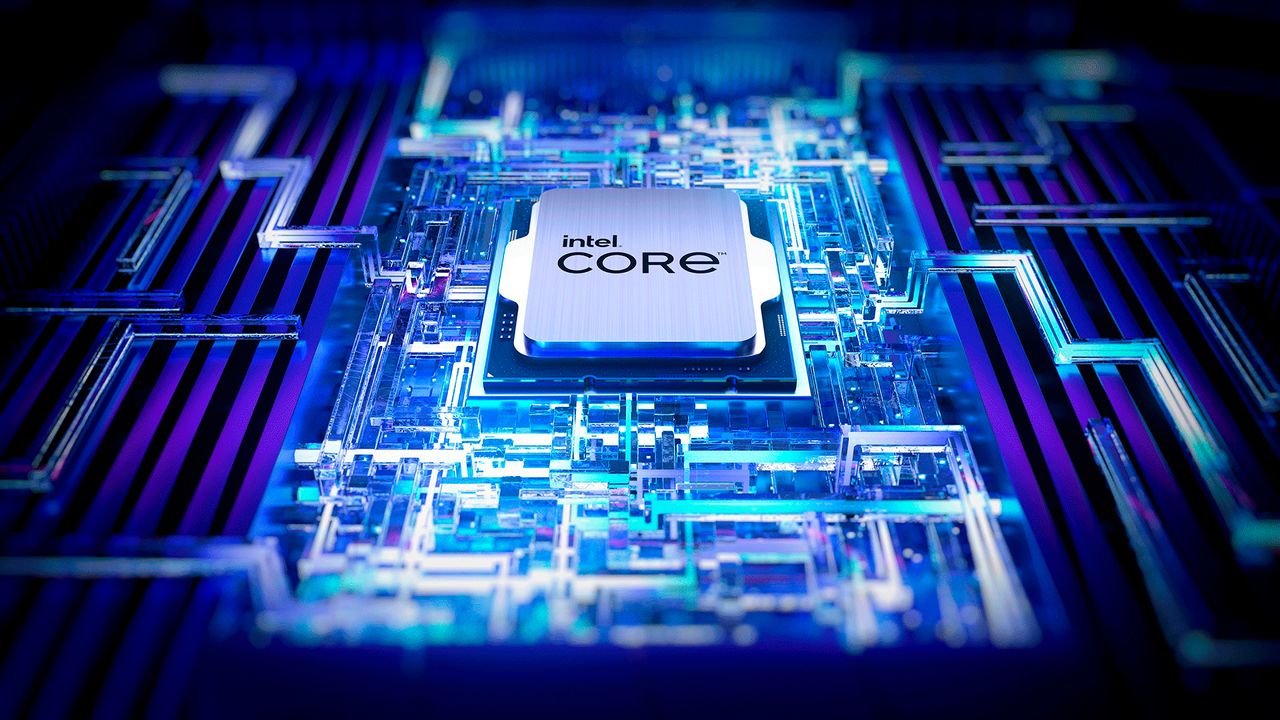
Intel's roadmap, as Tom's Hardware reported, tells a parallel story. The Core Ultra 400-series 'Nova Lake-S' CPUs are on track for mass production in the fourth quarter of this year, but they will only launch in Q1 2027, with 28-core models coming first. That delay is significant: it means the next major desktop Intel architecture will not appear until nearly two years after the current generation's launch (assuming Core Ultra 200 series launched in late 2024). For US PC buyers, the wait could be frustrating, especially if they are holding off on a new desktop in anticipation of Nova Lake. For US system builders and OEMs, the delay creates an inventory hole - they must keep selling existing Core Ultra 200 and 300 systems longer than previously planned, which may lead to price cuts to move aging stock.
But the delay also carries a hidden signal about thermal and power goals. Intel's 28-core first wave, as Tom's Hardware noted, is a high-core count part, which traditionally implies high power draw and high thermals. If Lenovo is pushing for fanless laptops, Intel's top-end desktop chips will likely still require beefy cooling solutions - water blocks or large heatsinks. The industry is therefore bifurcating: ultra-thin mobile devices using efficient low-core-count parts, and high-end desktops with massive core counts and intense cooling. The middle ground - where many US consumers live - might get squeezed, as mainstream desktops could see less frequent updates due to Intel's schedule.
The Battery Bolt-On
HTC's Vive Eagle smart glasses, covered by CNET, offer a different twist: they do much of what Meta's glasses do, including integrated cameras, but they include snap-on batteries to extend usage. The extra battery boost, as CNET put it, might be a sign of where Meta and others head. That is a telling observation. If Meta's future Ray-Ban Stories or similar products adopt battery accessories, it would acknowledge that the physical constraints of eyeglass frames - small, light, and unobtrusive - cannot yet hold enough energy to power cameras, sensors, and wireless radios for a full day. The snap-on approach is a workaround, and it changes the form factor: users must carry a separate battery pack (or attach it to the frame), which slightly undermines the minimalist appeal of smart glasses.