The laptop and PC market is splitting into two very different stories. Hardware is getting cheaper and more capable at a pace that would have seemed implausible a few years ago, while the software and services that make that hardware useful are being treated less as a universal utility and more as a lever. The two halves of this beat are moving in opposite directions, and US buyers will feel both.
The monitor market shows the good half
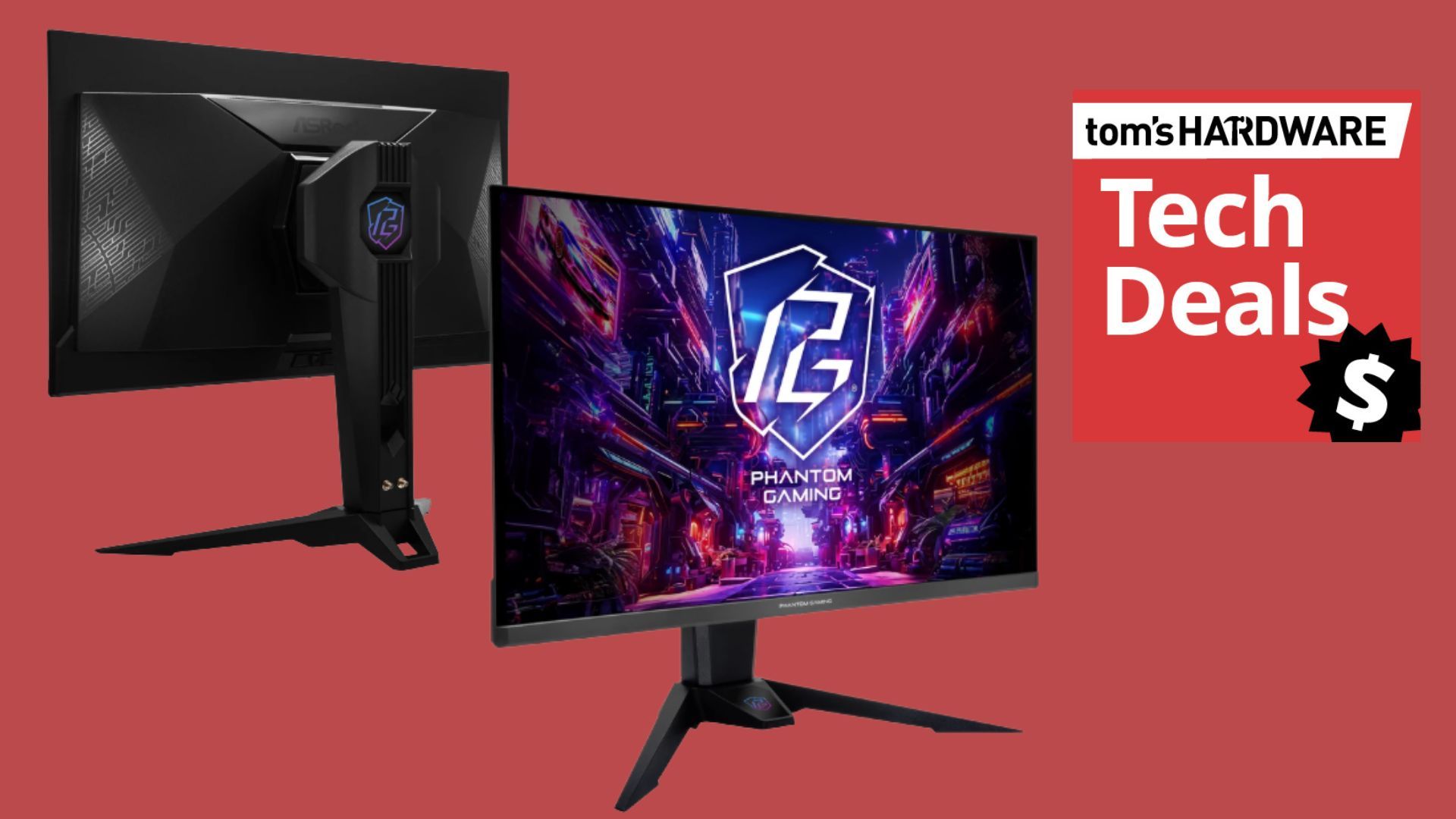
The clearest evidence of the hardware half comes from three recent items on this beat. Tom's Hardware flagged a 27-inch QD-OLED gaming monitor at $349, with a 360Hz refresh rate and an integrated Wi-Fi antenna. Engadget, meanwhile, published a practical guide to choosing a gaming monitor, framed around an upgrade or a first purchase. Neither story is dramatic on its own. Together they describe a category that has become crowded, price-competitive and confusing enough to need consumer guidance.
That combination - low prices, high specifications, and a flood of choice - is what a maturing hardware market looks like. The $349 figure from Tom's Hardware matters because QD-OLED was, not long ago, the premium end of the display market. A 360Hz panel at that price signals that the technology has moved down the stack. The integrated Wi-Fi antenna is a small detail, but it points in the same direction: manufacturers are competing on features and integration, not just raw panel quality, because raw panel quality is no longer scarce.
Why that matters for US buyers and builders
For US consumers, this is straightforwardly good news on the hardware side. Displays are the part of a PC setup that people keep the longest, and a cheaper high-refresh OLED lowers the cost of a serious gaming or productivity desk. It also puts pressure on the rest of the market. When a 27-inch QD-OLED with a 360Hz refresh rate can be had for $349, per Tom's Hardware, the mid-range LCD segment has to justify itself on price or on features that OLED cannot match.
For US technology companies, the signal is less comfortable. A market where the panel is cheap and the specifications are table stakes pushes value toward software, services and ecosystem. And that is exactly where the second half of this beat's news is heading.
The software half is closing
The contrast comes from The Verge, which reported that Google is entirely disabling Search in schools that do not want its AI features. According to The Verge, Google told The New York Times that access to Gemini, Gemini Notebook, Gemini in Classroom and Google Search "will be entirely off" for K-12 student accounts in schools that reject the AI features. The company also shared the decision in a broader education-related update on Tuesday.
That is a remarkable thing to do with a product as foundational as Search. It reframes a general-purpose tool as a bundle, and it makes the AI layer a condition of access rather than an optional add-on. The Verge's reporting does not suggest Google is charging more; it suggests Google is withdrawing a service from institutions that decline a different service. For US schools, that is a procurement problem with real consequences. For the wider PC and laptop market, it is a signal about how the software that sits on top of cheap hardware will be governed.