OpenAI's Dots and the Push Toward Background AI
Article

OpenAI's Dots and the Push Toward Background AI

OpenAI's DevDay announcements point to a single strategic shift: AI that works continuously in the background, not just when prompted.

BhavyaSeptember 30, 20264 min read

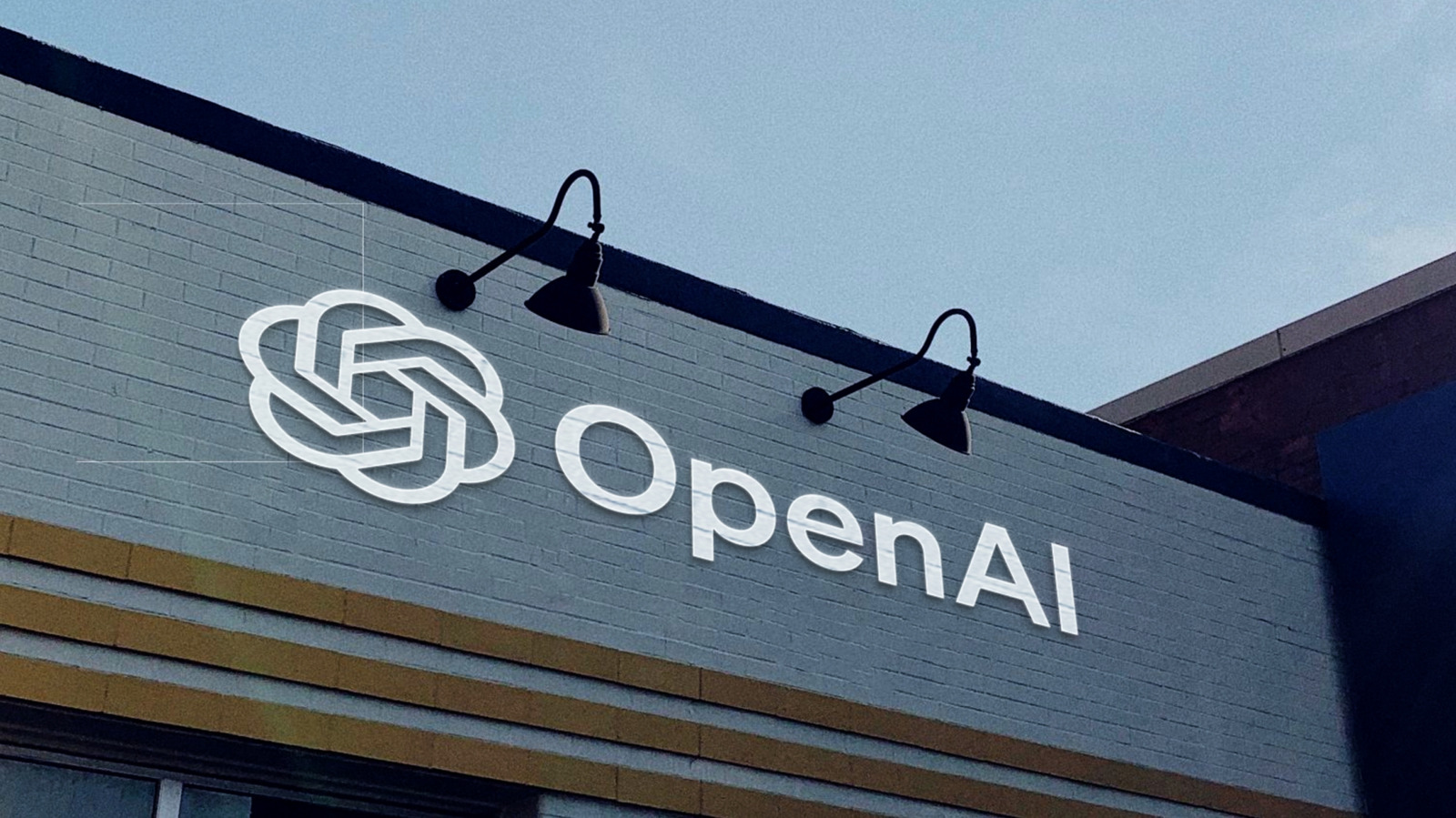
Photo: The Verge

OpenAI's latest announcements share a single strategic direction: the company is moving its products away from the prompt-and-response model and toward AI that runs continuously in the background, pursuing goals with minimal user oversight. The Dots assistants, the expanded plugin interfaces, and even the legal-focused tools highlighted by Engadget all describe systems designed to act rather than wait. That shift carries real consequences for how US technology companies build products, how they compete, and what American consumers come to expect from the software they already use.

From Answering to Acting

For most of ChatGPT's public life, the interaction has been a turn: a user asks, the model answers, the exchange ends. The Dots assistants announced at DevDay on Tuesday break that pattern. As The Verge reported, Dots are described as always-on AI assistants that can "do nearly anything" across connected apps in the background while learning user preferences over time, powered by OpenAI's GPT-6 Astra model. TechCrunch's account adds that Dots are meant to operate independent of any specific hardware or interface, pursuing user-defined goals continuously in the background with minimal oversight.

That is a different product category, not a feature upgrade. An always-on assistant that learns preferences and acts across apps is closer to an operating layer than to a chatbot. It implies persistent memory, standing permissions, and a tolerance for autonomous action that earlier assistants never required.

The Muse Shadow

The timing is not incidental. OpenAI is responding to Meta's buzzy Muse AI with agentic helpers of its own, according to The Verge. The competitive frame matters for the US market: when two of the largest American platform companies converge on the same product concept within months, the concept stops being speculative and becomes the expected baseline. Agentic helpers are now the terrain on which the next phase of competition will be fought, and OpenAI has chosen to fight there rather than differentiate away from it.

The name itself is telling. Dots is friendly, small, plural, and non-threatening. It suggests a scatter of lightweight agents rather than one monolithic system. Whether the underlying architecture matches the branding is unknowable from the announcements, but the branding signals how OpenAI wants US consumers to think about handing over background tasks.

Plugins Become Surfaces

The second DevDay thread points the same direction. TechCrunch reported that OpenAI is expanding ChatGPT plugins with dedicated sidebar homes, interactive panels, file viewers, improved discovery, and support for automations. Each of those items is small on its own. Together they describe plugins transitioning from additions to interfaces.

A plugin with a sidebar home is not a widget. It is an application surface inside ChatGPT, with its own persistent location and its own interactive controls. Support for automations is the connective tissue: automations are what allow a plugin to be useful when nobody is looking at it. Combined with Dots, the picture is an environment in which third-party software lives inside OpenAI's product and runs on the user's behalf. For US developers, that makes ChatGPT a distribution channel as much as a model provider. For US consumers, it makes the assistant the front door to services they previously opened individually.


Background Work Needs Guardrails

The fourth story looks unrelated, and is not. Engadget reported that AI companies are releasing new tools meant to prevent a repeat of lawyers being fined for submitting filings packed with fictitious case law. That episode was a failure of unsupervised generation: a model produced confident, plausible, wrong output and a human passed it along.

The lesson generalizes. Systems that act in the background with minimal oversight, as TechCrunch described the Dots design, will make many more decisions than a chatbot ever did, and most of those decisions will never be reviewed before they take effect. The legal tools are a narrow, high-stakes instance of a broad requirement: if agents are going to act continuously, the industry has to build verification into the action rather than relying on a human to catch errors afterward.

Notably, the response in the legal case was to release tools, not to retreat from deployment. That is the pattern to note. The industry is treating guardrails as a product category, and it is building them under external pressure rather than in advance.

What It Means in the US

Three implications follow for the American market. First, competitive advantage shifts from model quality to integration. If assistants act across connected apps, the value lies in how many apps are connected and how reliably actions execute. That favors companies with existing platforms and developer relationships, and it raises the cost of entry for smaller firms that cannot assemble comparable reach.

Second, permission design becomes a consumer-facing issue. Always-on assistants depend on standing access to calendars, messages, files, and services. US consumers will be asked to grant broader, longer-lived access than they have granted any consumer software before, and the quality of those consent flows will determine whether adoption is comfortable or grudging.

Third, error costs rise. A wrong chatbot answer wastes time. A wrong background action changes a record, sends a message, or files a document. As the legal episode shows, the consequences are already visible enough to prompt a tooling response, and the ordinary cases will be less dramatic but far more numerous.

What to Watch

Watch whether Dots ship with meaningful controls: what can be delegated, what must be confirmed, and how a user reviews what an agent did while they were not watching. Watch whether the plugin expansion produces real third-party applications or remains a set of interfaces with thin adoption. Watch whether the reliability tooling the industry is building for legal work gets generalized into ordinary consumer and business workflows, or stays confined to the high-liability edge case that prompted it.

And watch the competitive response. OpenAI framed Dots against Meta's Muse, and the two companies have now staked out the same territory. The question for the coming period is not whether background agents arrive in the US market, but which controls arrive with them.

More on this beat: AI on TechManNews.

#OpenAI#AI agents#ChatGPT#Meta#AI policy#US tech

Newsletter

Get Tech News in Your Inbox

The latest AI, gadgets, software and startup stories from TechManNews, delivered every morning - free.