The three stories logged on this beat share one thread: the decision about which processor to buy is no longer separable from the decision about how much memory a system can afford. Rising DRAM prices are changing what buyers can pair with a CPU, while interest in older chips and in bottleneck calculators shows purchasers trying to make constrained budgets go further. For US buyers and the companies selling to them, the CPU conversation has become a system-budget conversation.
Memory Costs Reach the CPU Decision
The clearest evidence comes from CPU-Z data reported by Tom's Hardware, which shows PC memory capacity dropping for the first time ever. Adoption of 64GB of RAM fell 18% year over year, driven by skyrocketing AI DRAM prices. That is not a story about processors in isolation, but it lands squarely on this beat because memory capacity determines which CPUs make sense in a build. A processor's headroom for multitasking, virtualization, content creation and large datasets is only usable if there is enough RAM behind it. When 64GB configurations become materially more expensive, the practical value of a high-core-count chip weakens for buyers who cannot feed it.
The US market implication is straightforward. Buyers who would once have paired a mid-range or upper-mid-range CPU with a generous memory kit are now making trade-offs, and those trade-offs can push them toward cheaper processors or toward keeping existing systems longer. For US chip vendors, the risk is not that demand for CPUs disappears, but that the attach rate of higher-margin configurations falls as memory eats a larger share of the build budget.
The Pull of Previous-Generation Silicon
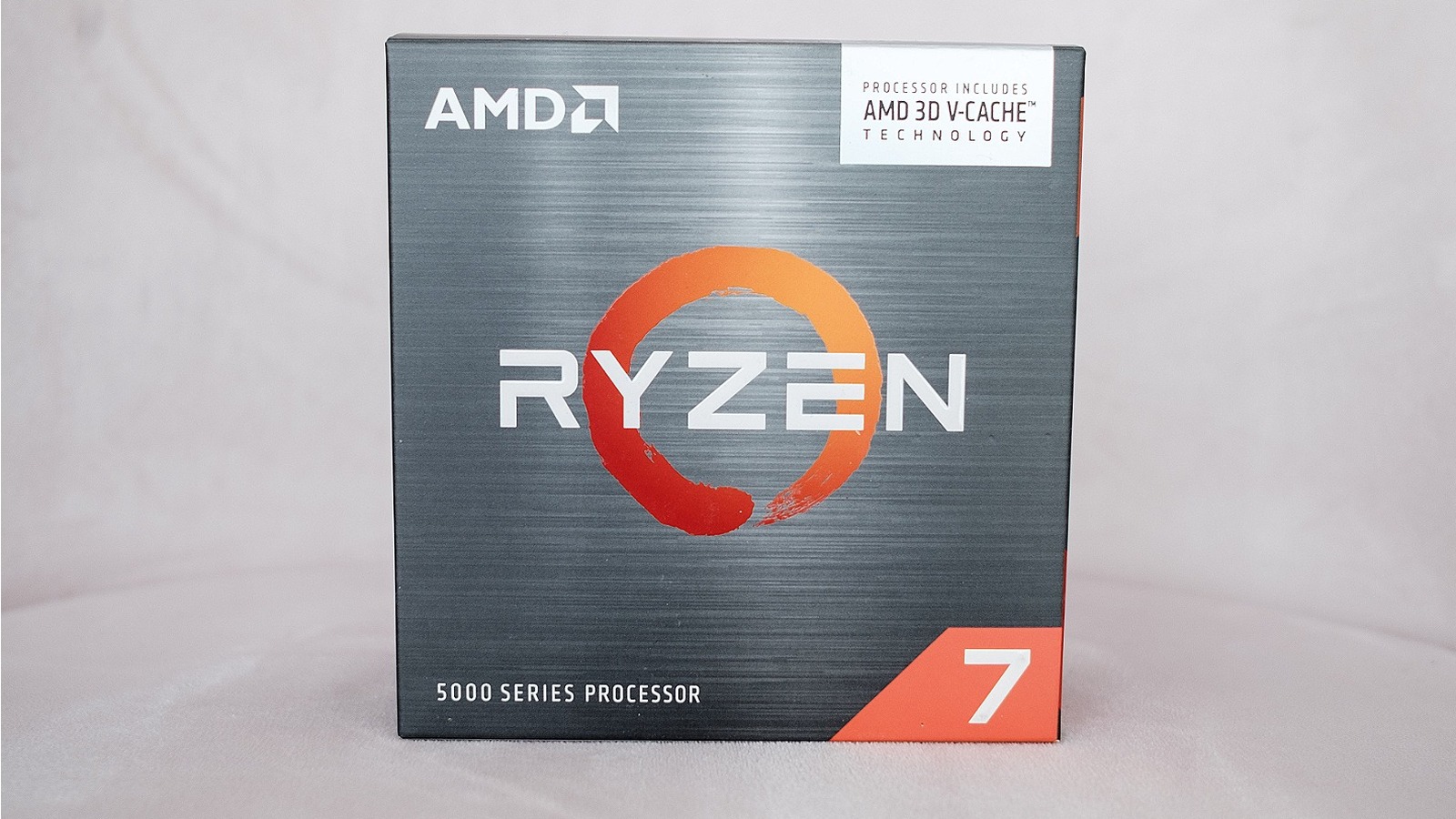
Engadget's question about whether AMD's Ryzen 7 5800X3D is still worth buying in 2026, at $349, captures the second half of the pattern. A previous-generation CPU remains a live option for buyers weighing a known quantity against newer parts. The 5800X3D's appeal has always rested on gaming performance rather than on being the newest platform, and that makes it exactly the kind of part that benefits when buyers are cost-constrained elsewhere in the build.
That matters in the US because the upgrade path for many consumers runs through existing motherboards and memory rather than through full platform replacements. If memory prices are pushing 64GB builds out of reach, a $349 previous-generation chip paired with an existing AM4 system becomes a more rational purchase than a new platform that requires new memory. The CPU market is therefore bifurcating: new-platform buyers at the top, and value-focused buyers extending the life of older sockets. Both are consequences of the same budget pressure.
Bottleneck Tools as Budget Instruments
Engadget's explanation of how a bottleneck calculator for GPU and CPU works describes them as a quick way to check component compatibility before building or upgrading. In a normal market, that is a convenience. In the current market, it is closer to a budgeting tool. When memory prices force buyers to reconsider capacity, the question of whether a given CPU will hold back a given GPU becomes more urgent, because buyers are increasingly assembling systems from mismatched generations and constrained parts.
The US consumer consequence is that purchases are becoming more analytical. Buyers are less willing to accept a generic recommendation and more likely to check whether a specific pairing makes sense. That is good discipline, but it also reflects a market where mistakes are more expensive. A bottleneck check cannot solve a memory-price problem, but it can prevent a buyer from spending on a CPU that a cheaper part would have matched given the rest of the system.