The semiconductor industry's allocation decisions are increasingly being made by AI demand rather than by the consumer products that built the memory business. Two of the stories logged on this beat point the same direction: Macronix is leaving the Nintendo ROM chip business to make flash memory for AI data centers, and Micron is redrawing its DRAM and NAND roadmap around technologies aimed at AI developers. The common thread is that legacy and specialty memory capacity is being pulled toward AI infrastructure, and the US consumer electronics supply chain is on the losing end of that reallocation.
A ROM Supplier Walks Away From Nintendo
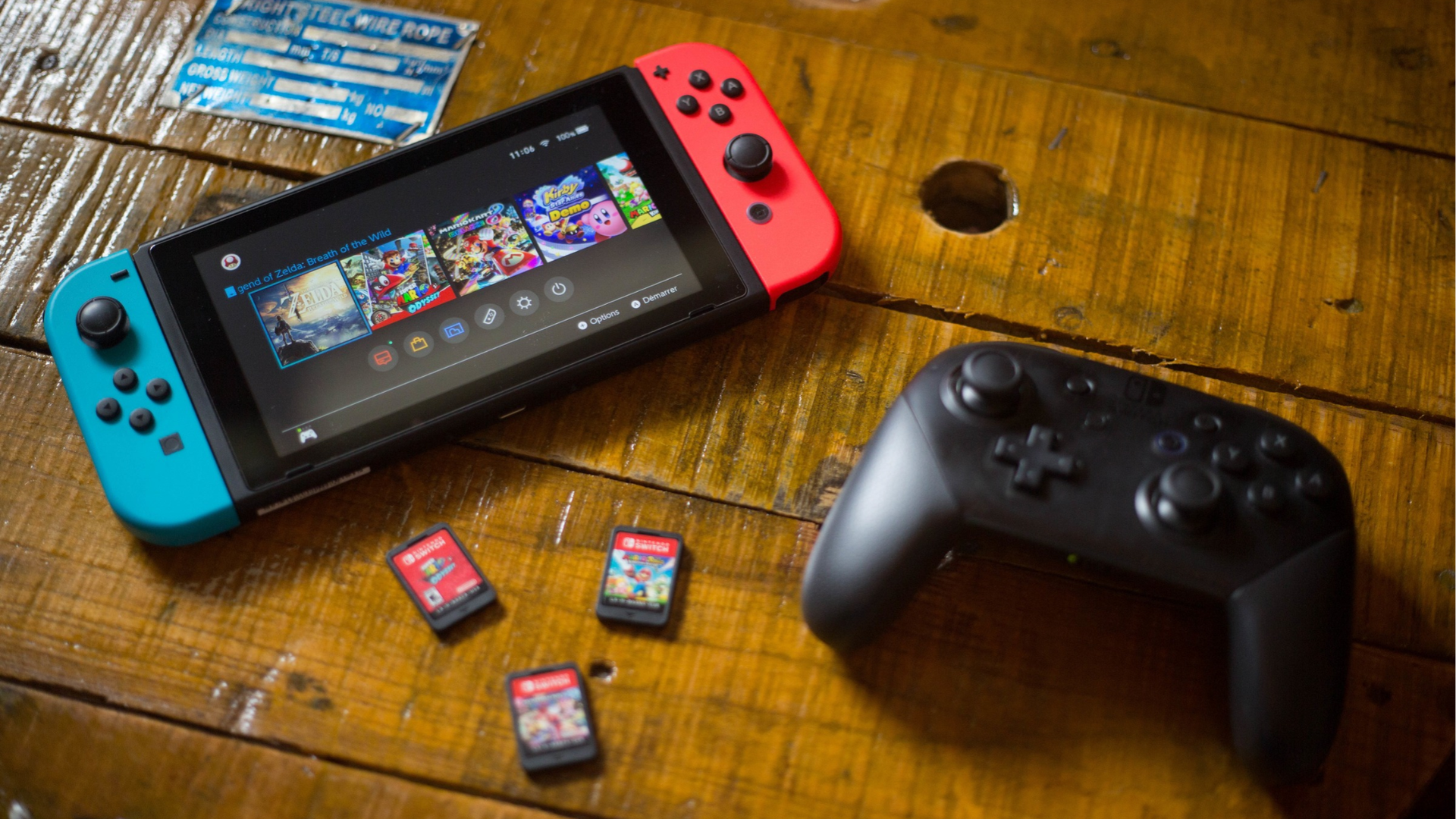
According to Tom's Hardware, Macronix, one of Nintendo's ROM chip manufacturers, is shutting down that business and reallocating manufacturing to NOR and NAND flash chips that the AI industry demands. This is not a story about Nintendo's console strategy. It is a story about where a memory maker's scarce fab capacity can earn the most, and the answer in 2026 is AI infrastructure rather than cartridge-era mask ROM. The relevant detail is the word "reallocating": Macronix is not exiting memory, it is exiting a customer relationship to serve a different one.
The lesson for US technology companies is that even mature, unglamorous memory products have alternative uses, and those alternatives now carry higher priority. Nintendo's hardware pipeline is a consumer business with long design cycles and fixed component contracts, the kind of arrangement that historically gave it stable access to custom silicon. When a supplier can redirect that capacity toward data-center flash, the consumer side loses leverage it once took for granted.
Micron Redraws the Roadmap Around AI
Tom's Hardware also reports that Micron is detailing an ambitious DRAM and NAND roadmap built on 3D NAND, High-NA EUV, new materials, and a comeback for custom silicon. The report frames this in terms of AI developers running into limits with current solutions, which is why custom types of memory are about to become mainstream. That is a significant statement about product direction: memory is moving from a standardized, commodity-like part toward something designed around specific workloads.
The coupling of High-NA EUV and new materials to a memory roadmap matters because it signals that leading-edge lithography spending is no longer confined to logic. If memory makers adopt the same expensive tooling as advanced processors, the capital intensity of the memory business rises, and with it the pressure to serve only the highest-value customers. Custom silicon's return reinforces that logic: bespoke memory for AI workloads is a higher-margin proposition than catalog parts for consumer devices.
The Same Decision, Seen Twice
Read together, the Macronix and Micron items describe one allocation pattern rather than two unrelated corporate moves. A supplier exits a legacy consumer contract to chase AI flash demand; a major memory maker restructures its roadmap around AI-driven customization and advanced tooling. Neither story is about a shortage in the abstract. Both are about where capacity and engineering attention are being directed, and in both cases the destination is AI data centers.
For US technology companies, the pattern has a specific shape. Firms building AI infrastructure benefit from more supplier focus, more custom memory options, and a roadmap tuned to their bottlenecks. Firms building consumer hardware inherit the other side of the trade: suppliers who once treated their orders as core business now treat them as optional. American consumers encounter this indirectly, through component availability and the design choices manufacturers make when a part is no longer a supplier's priority.