The Thread
The three gaming stories on this desk’s log are not separate announcements; they are evidence of a single commercial strategy: extending the life of established titles through substantial, free updates rather than pushing players toward new paid entries. From No Man’s Sky’s tenth-anniversary Cosmos update to Mario Kart World’s free SNES-inspired courses, and even the upcoming Metroid Ravenous - which appears to be a new paid adventure but is presented as part of a long-running series - the pattern is clear. For US technology companies and consumers, this means the value of a game is increasingly measured in years of post-launch support, not just its release-week content.
The Anniversary as a Retention Tool
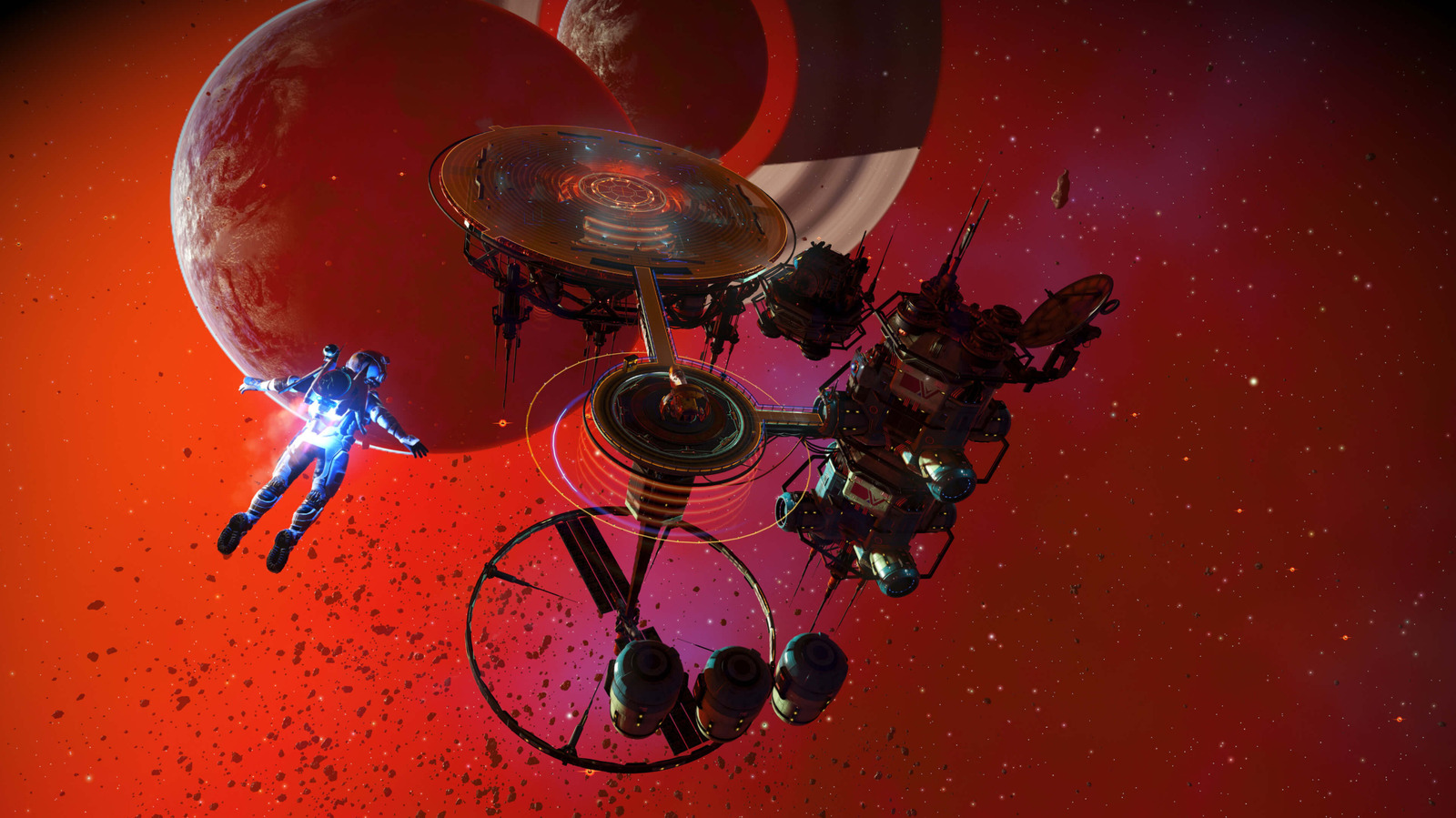
No Man’s Sky’s tenth anniversary is the strongest signal. The game, which launched in 2016 to a famously mixed reception, has spent a decade being rebuilt through free updates. The Cosmos update being “huge and 100 percent free” is not a charitable gesture; it is a deliberate effort to pull lapsed players back and to reward the ones who stayed. For a US market that often chases the next new console exclusive, this update tells a different story: a title can become a service, with its anniversary serving as a marketing milestone rather than a shutdown date. Engadget’s framing, that this is the “largest update yet,” implies a cadence of annual or semi-annual growth that now feels standard for successful games. US consumers have been trained to expect that a game they bought years ago will still receive meaningful improvements, and No Man’s Sky has become the reference point for that expectation.
Free Updates as a Competitive Barrier
Mario Kart World receiving courses from the SNES original, also for free, illustrates a different angle: nostalgia as a free feature. Nintendo, a company that historically monetizes its back catalog through paid re-releases, is now giving away content drawn from a 1990s classic. This is not a random act of generosity. By tying the new content to the original SNES game, Nintendo is banking on the emotional attachment of older US players who grew up with that title, while also introducing younger players to that legacy without charging extra. For competitors, this raises the bar: any racing game or family-oriented title now has to match a free update that leverages three decades of brand history. In the US market, where disposable income for entertainment is finite, a free update that extends a game’s relevance can delay or even cancel a purchase of a rival’s new release. The cost of not updating a live game is no longer just bad will; it is losing mindshare to a competitor who gives away old content.
Longevity as a Design Principle
The third story, Metroid Ravenous arriving in January 2027, is technically a new, paid 2D adventure. But its placement alongside free updates is telling. The log notes it “looks like Samus will be able to feed on her enemies and steal their powers,” which suggests a mechanical evolution of a franchise that has existed for four decades. The pattern here is not that every release is free, but that the industry’s health depends on a mix of very old games receiving free boosts and newer entries that respect that history. For US consumers, this means a purchase decision is no longer isolated. When they buy Metroid Ravenous in early 2027, they will likely expect that it, too, will receive free content for years, following the same model as Mario Kart World and No Man’s Sky. The US gaming market has shifted from a transactional model - buy a game, finish it, move on - to a relational one, where the initial purchase is the beginning of a long-term relationship with the publisher.