The thread running through the recent developer news is a move toward AI tooling that developers own, operate, or at least steer, rather than tooling they merely subscribe to. In each case, the emphasis lands on who controls the model, the agents, and the service being built. That is a coding-beat story, not a general software-market one, because the people making the decisions are engineers choosing what sits in their repositories and workflows.
The OccupySaaS revolt is about dependency, not price alone
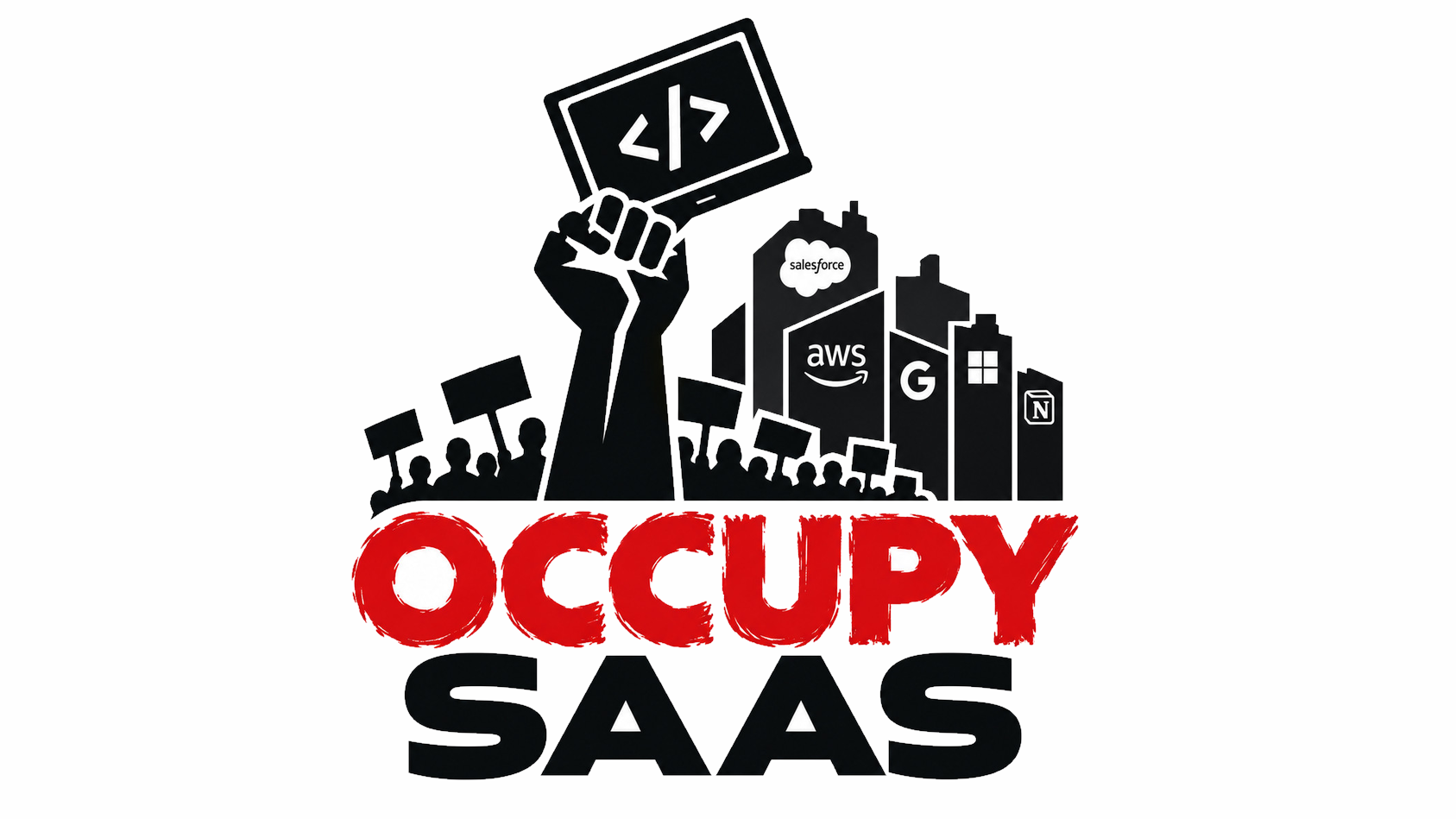
As Tom's Hardware reported, a group of disgruntled software developers has started an ambitious open-source revolt, using AI to clone common services. The OccupySaaS project wants to kick Auth0, Salesforce, and other pricy service-as-software to the curb. The framing matters. This is not a petition or a complaint thread; it is an attempt to use AI to reproduce functions that developers currently rent. The cost argument is present, but the deeper objection is to dependency. When a developer can prompt or generate a replacement for an authentication service or a customer platform, the calculus changes. The question stops being whether the subscription is worth the money and becomes whether the subscription is worth the loss of control. For US companies, that has a practical edge. Many of them run on a stack of SaaS vendors that handle identity, billing, and customer records. If credible open-source clones become easier to assemble, procurement conversations shift from renewal discounts to build-versus-buy reviews. For US consumers, the near-term effect is indirect: the services they use may get cheaper or more varied, but they may also be maintained by smaller teams with thinner support. The OccupySaaS effort is ambitious and unproven, and nothing in the reporting suggests it has replaced any vendor. What it demonstrates is intent, and intent from working developers is the leading indicator that matters on this beat.
Meta's Conductor buy shows the same instinct inside a big vendor
The second story looks like its opposite. Meta acquired Conductor, an AI coding startup, as TechCrunch reported. The startup lets software engineers deploy teams of agents to work on various aspects of a project simultaneously. Here a large US platform company is buying agentic coding capability rather than building it from scratch. Read alongside OccupySaaS, the pattern is not contradictory. It is the same recognition that the unit of developer work is changing from a single assistant to a coordinated set of agents, and that whoever supplies those agents holds real leverage over how code gets written. Meta's move is a bet that developers will want orchestration, not just autocomplete. The OccupySaaS crowd is a bet that developers will want to own that orchestration themselves. Both agree on the underlying shift: the future of coding tooling is teams of agents operating on a project, and the fight is over who runs them.
Open source is being argued as the safer default
The third story supplies the ideological case. Hugging Face's CEO said his P(Doom) is close to zero, according to Wired, and argued that most of the risk is actually created by a couple of players building behind closed doors. That is a direct argument for open source AI as the safer path, not merely the cheaper or more flexible one. On the developer beat, this matters because it reframes open weights and open tooling as a risk-management position rather than an ideology. A developer who clones a service with AI, or assembles a team of local agents, is not just saving money; they are reducing exposure to a vendor's roadmap, pricing, and shutdown decisions. That argument travels well in US engineering organizations, where supply-chain review and vendor concentration have become standing agenda items. It also travels into procurement and legal, which is where open-source adoption actually gets decided.