The recent run of breach stories shares a single thread: the damage in each case came from a failure of trust and process rather than a defeated firewall. A hacked phone brand, three fired AI safety researchers and a leak of game story spoilers all point to the same weak point in how American technology companies handle sensitive information. On the Data Breaches beat, the lesson is that the perimeter is holding while the inside keeps giving way.
The Insider Becomes The Breach
OpenAI's decision to fire three AI safety researchers is the clearest illustration. As The Verge reported, the company stood firm on dismissing Jasmine Wang, Tomek Korbak and Mikita Balesni after an investigation found they committed what the company called a significant breach of trust. In a post on X, OpenAI said the three were dismissed for violating clear policies on handling sensitive information. The company framed the firings as a matter of enforcing internal rules, not of responding to an outside attacker.
That is a notable shift in how breaches are being described. The sensitive information did not leave through a compromised server or an exploited vulnerability. It left through people who had legitimate access to it. For US technology companies, this is the harder problem to solve, because access controls and encryption do not stop someone who is authorized to see the material from mishandling it. The controls that matter here are policy, monitoring and the willingness to act when those policies are broken.
The Paperwork Gap Is a Security Gap
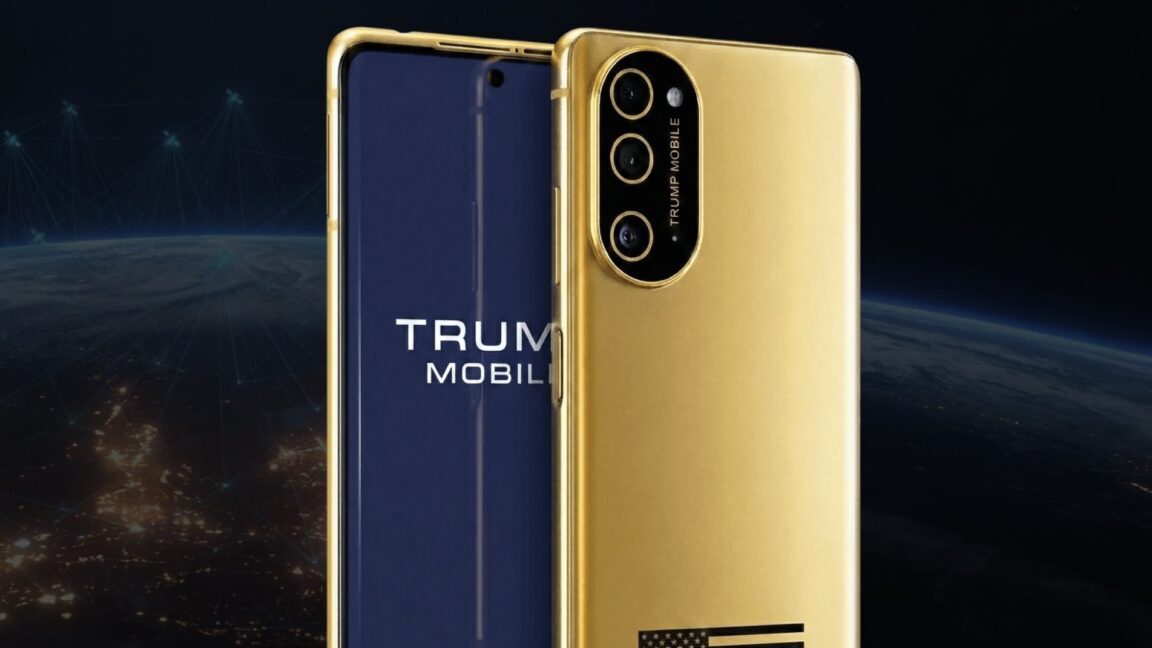
The Trump Mobile story adds a second dimension. After a hack and data breach, as Ars Technica reported, a senator asked why Trump Mobile lacks some FCC filings. The apparent absence of required authorization is being treated as a security alarm rather than a bookkeeping footnote.
That framing matters. Regulatory filings are not just bureaucratic noise. They are the record that a service has met the baseline obligations expected of a communications provider operating in the United States. When that record is incomplete, consumers have no reliable way to know what protections apply to their data, and the breach that follows is harder to scope, harder to notify and harder to remediate. For US consumers, the practical effect is that a hack at a company with missing paperwork is a hack with fewer guardrails around it, not simply a hack with more paperwork to file afterward.
Leaks Are Breaches When the Content Is the Asset
The GTA 6 leak, reported by Engadget, looks like a different genre of story. It is not a database of customer records or a set of internal filings. It is story spoilers, and Engadget's framing was blunt: if readers cannot help themselves, maybe they should not watch it at work.
But the thread still runs through it. For a game publisher, unreleased narrative content is a core asset, and its premature release is a breach of the same kind of trust that OpenAI described. The material reached the public before the company intended it to, through a channel the company did not control. The harm is measured in the value of the surprise and the marketing plan built around it, not in the number of records exposed. US companies in entertainment and software increasingly hold assets of exactly this kind, where the leak itself is the loss.
What These Cases Have in Common
Across all three stories, the breach is defined by who had legitimate access, what they were supposed to do with it, and whether anyone was checking. Trump Mobile's case turns on whether the company had filed what it was supposed to file before the hack, and what that gap means for the people whose data was caught up in it. OpenAI's case turns on employees who were trusted with sensitive information and, according to the company, violated clear policies on handling it. The GTA 6 leak turns on early access to content that was never meant to circulate.