The recent CPU news shows control over the processor experience moving in two directions at once. Sony is backing away from an Android update commitment on a Snapdragon 6 Gen 1 phone, while AMD extends official Ryzen overclocking to Linux and AMD and Intel agree to share a single PyTorch inference path through oneDNN. The common thread is that the platform lifespan and software stack around a CPU are being set less by the chip vendor's roadmap and more by whoever maintains the layer on top.
When the OS Vendor Leaves the Chip Behind
The Sony Xperia 10 VI was announced over two years ago with a Qualcomm Snapdragon 6 Gen 1 chipset and Android 14. As The Verge reported, Sony promised three major OS updates that would have included this year's Android 17 release, but a notice posted to the company's UK support site says the Xperia 10 VI will not receive that promised update. The processor here remains capable; what changed is the maintenance commitment around it. For US consumers, that is the practical definition of a handset's useful life: not clock speed, but whether the vendor delivering the platform stack keeps showing up. A midrange phone bought on a three-update promise is only as good as the follow-through, and this example shows how quickly an update pledge can stop mapping to the silicon inside.
Linux Gets the Keys to Ryzen
On the desktop side, Tom's Hardware reported that new driver enablement work from AMD brings full platform-level tuning control to Ryzen systems running Linux. The significance is not overclocking for its own sake. Official platform-level tuning gives developers and system builders a supported way to manage the processor, rather than relying on community workarounds. For US technology companies running Linux fleets, workstations, or CI infrastructure, supported tuning on Ryzen can make AMD hardware a more predictable procurement choice. It also shifts some of the value of a CPU from the vendor's closed utilities to the open-source stack a company already controls, which matters for firms that prefer to standardize on Linux for cost and manageability.
Rivals Pool the AI Inference Path
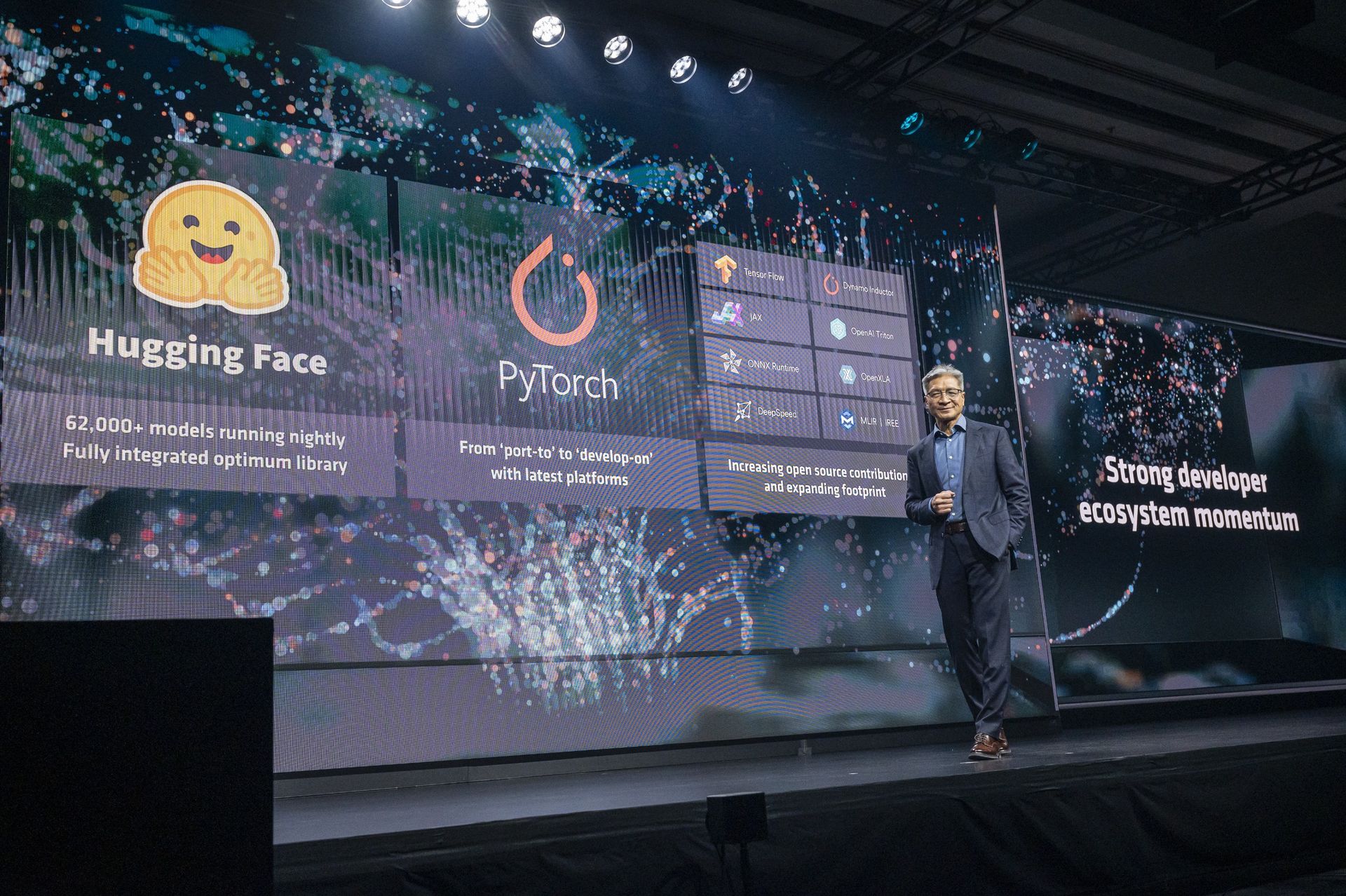
The third story is the most structurally interesting. As Tom's Hardware reported, AMD and Intel will work together to bring CPU inference optimizations for PyTorch under the unified oneDNN library, creating a single code path for AI inference on CPUs. Two competitors agreeing on one library-level path is a consolidation of the software layer, and it lowers the cost of choosing between them. For US developers, the payoff is less platform-specific tuning: a model optimized against oneDNN need not be reworked for each vendor's preferred route. For US buyers, portability weakens vendor lock-in on the CPU side at a moment when AI inference budgets are under scrutiny and accelerated hardware is scarce or costly.