Wearables Move Past the Hardware

Photo: Engadget

Article

Wearables Move Past the Hardware

SuryaOctober 21, 20265 min read

The recent wearable news is less about new devices than about the attention economy growing around the ones already on our wrists and faces.

The most telling recent wearable stories are not about new hardware. They are about what happens after the hardware ships: an action button that needs explaining, a restart question that refuses to go away, and a Hollywood actor hired to make a pair of smart glasses feel human. The thread running through all three is that the wearable business is increasingly a business of attention and interpretation, not just engineering. Devices have become capable enough that the hard work now sits in teaching people what they already own can do, and in giving them reasons to keep caring.

Capability Outruns Comprehension

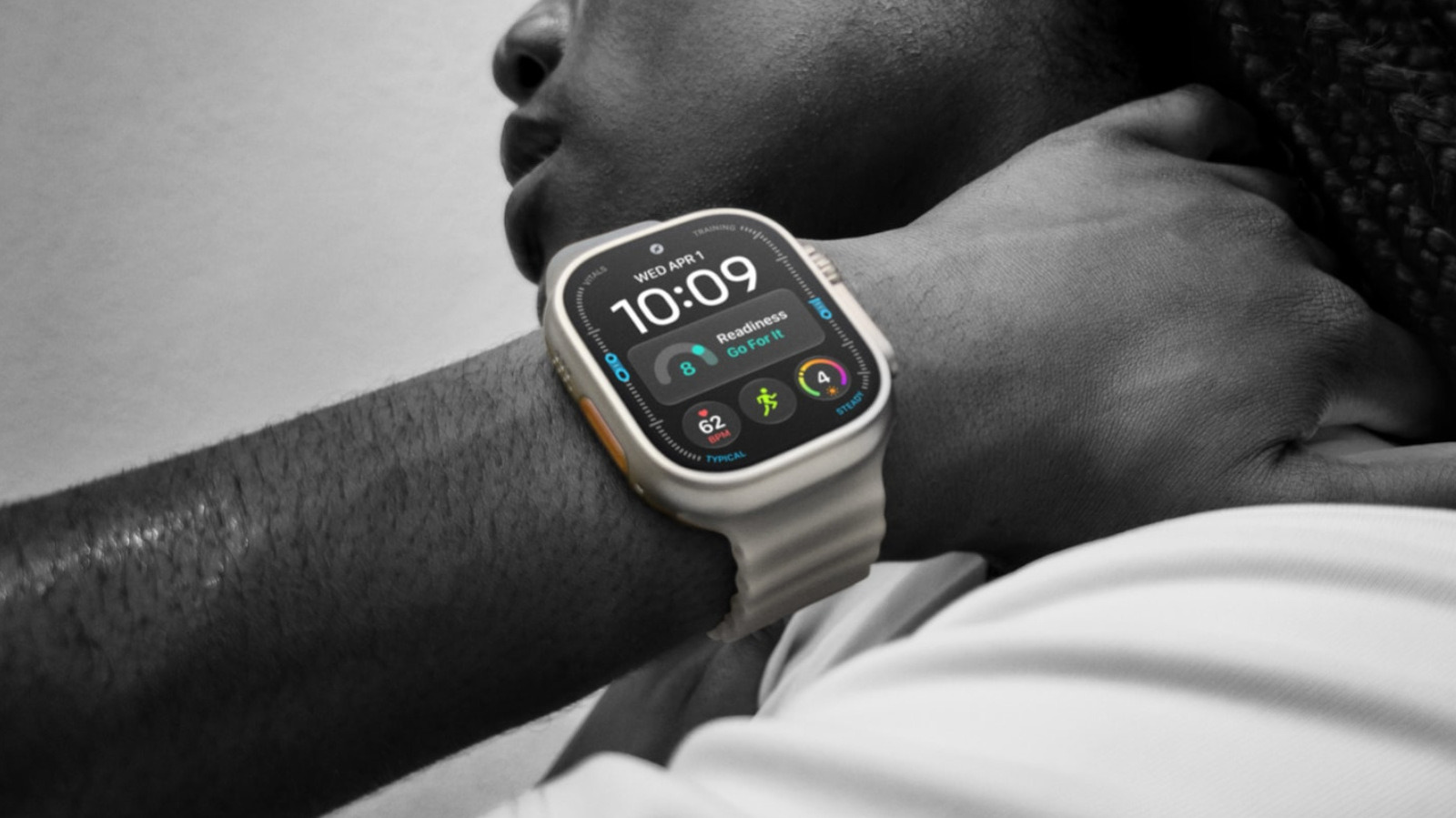
Engadget's guide to the Apple Watch Ultra 4 action button is a small document with a large implication. The button can launch workouts, retrace routes and control smart home devices with one tap. That is a genuinely useful set of functions, and it is also a set that a buyer might never discover without a guide. When a physical control needs an explainer to justify its existence, the constraint is no longer what the device can do. It is whether the owner knows.

This is a familiar problem in mature hardware categories, and it lands differently in wearables because the surface area for discovery is so thin. A watch has a small screen, a handful of inputs and a user who glances rather than stares. Every capability added to that envelope competes for a fraction of a second of attention. Apple's answer, in the Ultra line, has been to give users a dedicated physical control and then rely on coverage to spread the word. That works, but it is an admissions that the product's value is partly a communications exercise.

The US market consequence is straightforward. Wearable makers that treat post-purchase education as marketing overhead will leave capability unused, and unused capability does not drive upgrades. The companies that treat it as product work, through onboarding, prompts and deliberate defaults, will get more value out of the same silicon. The action button story is not really about a button. It is about the gap between what ships and what gets used.

The Restart Question Is a Trust Question

Engadget's piece on how often to restart an Apple Watch makes a modest point: the watch does not need the frequent restarts a computer does, but a shutdown can help when something is off. The interesting part is that the question exists at all. Users ask it because they have learned, from years of general computing, that devices degrade and that a reboot is the universal remedy. Wearables have not yet earned enough trust to escape that instinct.

That is a meaningful barrier for the category. A device worn against the skin, tracking health signals and standing in for notifications, carries a higher expectation of reliability than a laptop. When users are unsure whether their watch needs a restart, they are expressing uncertainty about whether the device is dependable. The answer from Engadget is reassuring, but the fact that it needed writing is a reminder that wearables are still borrowing their mental models from other devices rather than establishing their own.

For US technology companies, this points to a support and design burden that does not show up in launch coverage. Every ambiguous behaviour becomes a search query, a support article and, eventually, a reason to hesitate at the next upgrade. Reliability communication is part of the product. Firms that make the watch's behaviour legible, including what a restart does and does not fix, reduce the friction that quietly erodes loyalty.

Hiring a Human to Sell the Glasses

Snap's decision to bring on Robert Downey Jr. as a brand ambassador for its Specs AR glasses, reported by The Verge, is the clearest signal of where the category's bottleneck now sits. Downey has been named Specs' Chief Customer Experience Officer, and Snap has published videos showing him using the glasses for things like help with a putt and practice art. The Iron Man association is not subtle, and it is not meant to be. It is a shortcut to making an unfamiliar product feel approachable.

The choice is revealing. AR glasses have struggled in the US market less because the technology is impossible than because the use cases are hard to explain and the social norms are unsettled. A celebrity who already embodies the fantasy of wearable technology can do work that a spec sheet cannot. Snap is effectively renting credibility and likability, and it is pairing that with demonstrations of ordinary tasks rather than futuristic ones.

That is a bet on attention as the scarce resource. If the glasses are capable, the problem is desire and comprehension. Downey is being used to close both gaps at once. Whether the approach works will depend on whether the videos feel like genuine use or like advertising, a distinction US consumers have become very good at detecting.

What the Three Stories Share

Read together, the action button guide, the restart explainer and the Downey ambassadorship describe the same phase of the wearable market. The devices are competent. The remaining work is interpretive: explaining controls, answering doubts and manufacturing reasons to care. This is the phase in which category leaders are separated not by hardware specifications but by how well they manage the user's understanding and affection.

There is a commercial logic underneath. Wearables are personal, worn continuously and replaced infrequently. That makes the relationship between owner and device unusually long compared with other consumer electronics, and it makes every unanswered question and every unexplained feature more expensive. A user who never learns what the action button does is a user with less reason to buy the next model. A user who does not trust the watch enough to stop wondering about restarts is a user who may drift.

The US market reflects this. Consumers here have plenty of wearable options and finite patience. The companies that win attention in 2026 and beyond are likely to be those that treat clarity, reliability and cultural relevance as core product attributes rather than as the job of the marketing department. Snap's celebrity hire and Apple's reliance on explainer coverage are two different answers to the same problem.

What to Watch

Watch whether Apple builds more discovery into the watch itself, so that capabilities like the Ultra 4 action button are surfaced without a guide. Watch how Snap's Downey-fronted videos are received, and whether they move the Specs conversation from curiosity to intent. And watch whether guidance around restarts and similar everyday questions becomes clearer, because that is a proxy for how much wearable makers are investing in trust rather than just features. None of these stories involve a new device. That is precisely why they matter.

More on this beat: Gadgets on TechManNews.

#wearables#Apple Watch#Snap Specs#smart glasses#consumer technology#US market

Newsletter

Get Tech News in Your Inbox

The latest AI, gadgets, software and startup stories from TechManNews, delivered every morning - free.