CPU Performance Now Rests on Cooling and Yield, Not Just Silicon
Article

CPU Performance Now Rests on Cooling and Yield, Not Just Silicon

Three recent stories show that cooling hardware, server share and thermal clocks are converging into one story: the limits of processor performance are increasingly physical, not architectural.

BhavyaNovember 10, 20265 min read

Photo: Tom's Hardware

The recent run of CPU news points to a single shift: the binding constraints on processor performance are increasingly thermal and physical rather than purely architectural. A new thermal pad aimed at bare-die components, a forecast that AMD will outsell Intel in Q4 for the first time, and a leak describing a 5.1 GHz ceiling above 90°C all describe the same reality. Cooling, heat density and manufacturing execution now set the terms on which CPU vendors compete.

Cooling Moves From Accessory to Spec Sheet

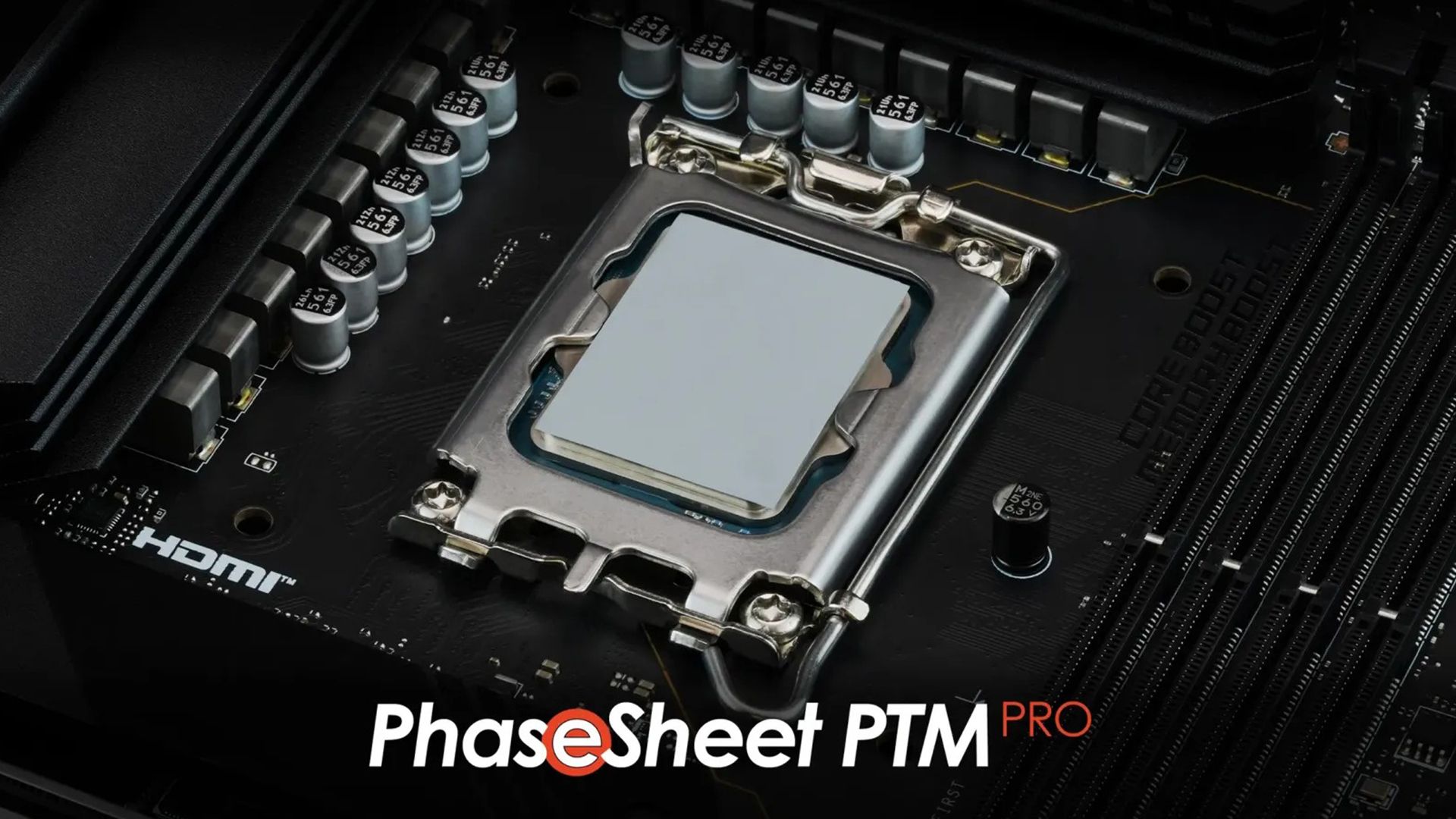
Thermal Grizzly's launch of the PhaseSheet PTM Pro, as reported by Tom's Hardware, is easy to file as a minor components story. It is not. The pad is designed for CPUs, GPUs and other components without an integrated heat spreader, and the company promises easier installation and better cooling performance. It is reusable and electrically non-conductive, and it is positioned as less susceptible to the pump-out effect that afflicts traditional thermal paste.

Each of those properties maps directly onto the problems that modern processors create. Bare-die designs concentrate heat into a small area, which makes mounting pressure and interface quality unusually consequential. Pump-out, the gradual migration of paste away from the die under repeated thermal cycling, is a long-term reliability issue rather than a one-time installation concern. A pad that is reusable and stable under cycling is a response to processors that run hot and cycle often.

The significance for US buyers is practical. Enthusiasts, system integrators and workstation customers have spent years treating the thermal interface as a consumable afterthought. When a vendor markets a pad as a reusable, non-conductive alternative for bare-die parts, it is treating the interface as a component with a service life. That framing only makes sense if the processors themselves have become harder to keep cool.

The Server Shift Is a Product Story

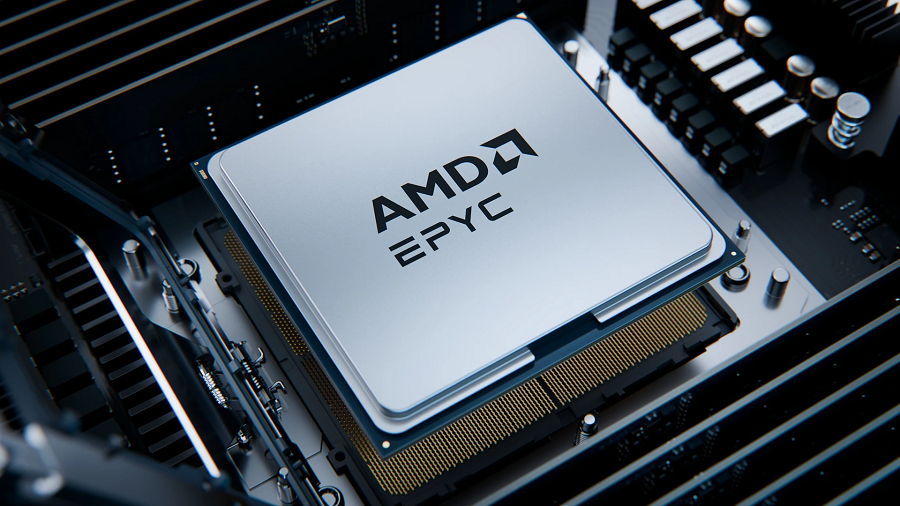
AMD's expectation that it will outsell Intel in Q4 for the first time in history, reported by Tom's Hardware, is the headline number. The underlying detail matters more: AMD's data center business is surging on demand for Epyc processors and Instinct accelerators, while client hardware sales decline only slightly.

That is not a story about marketing. It is a story about where processor value has migrated. The parts that carry the highest margins and the most demanding thermal envelopes are the ones selling. Server processors run continuously, are packed densely and are judged on performance per watt as much as peak throughput. Accelerators add another layer of heat density to the same racks. In that environment, the quality of the thermal solution is not a hobbyist concern; it is part of the total cost of ownership calculation that US cloud providers, enterprises and hyperscalers make when they choose a vendor.

A market share shift of this kind also changes procurement behavior in the United States. Buyers who have standardized on one vendor's platform face real migration costs in software, tooling and validation. The fact that AMD expects to cross this threshold suggests those costs are being weighed against performance and efficiency gains and increasingly losing. Client hardware declining only slightly suggests the shift is concentrated where the workloads are heaviest, not spread evenly across the market.

Thermal Limits Become Clock Limits

The leak about Intel's Nova Lake desktop chips, reported by Tom's Hardware, claims that the next-generation processors will top out at 5.1 GHz if core temperatures are not kept below 90°C. Leaks are not confirmed specifications, and this one should be read as a claim rather than a fact. But the shape of the claim is revealing.

A temperature-dependent clock ceiling is a design decision that ties performance directly to cooling. It says that the processor's advertised behavior depends on the user's ability to remove heat. For US desktop buyers, that means the difference between two systems with the same CPU may come down to the cooler and the case airflow rather than the chip. For system builders, it means the thermal solution has to be specified against a temperature threshold, not just a wattage rating.

It also puts pressure on the retail and prebuilt markets. A machine that throttles to a lower clock because its cooling cannot hold the threshold is, in practice, a slower machine than the one on the spec sheet. Consumers comparing systems by processor model alone may not see that difference until they run a sustained workload.

One Thread, Three Symptoms

Taken together, the three stories describe a market in which the processor is no longer the whole product. Thermal Grizzly is selling an interface material for bare-die parts. AMD's forecast is built on data center parts that live or die by efficiency under sustained load. Intel's leaked behavior, if accurate, makes cooling a condition of clock speed.

The common thread is that heat density has become the organizing problem of the CPU business. Architectural gains are real, but they arrive wrapped in thermal constraints that vendors, board makers, cooler manufacturers and customers all have to manage. That is why a thermal pad launch and a server market share forecast can appear on the same beat in the same week without either being out of place.

What This Means in the US

For US technology companies, the implications run in two directions. Chip vendors now compete partly on how well their platforms manage heat, which pulls cooler and interface suppliers closer into the design cycle. Data center operators, meanwhile, are making vendor decisions on efficiency grounds, and the AMD forecast suggests those decisions are moving.

For US consumers, the practical effect is that cooling deserves more attention in a purchase than it typically gets. A processor's sustained performance depends on the thermal solution around it, and a temperature-linked clock ceiling makes that dependency explicit. Buyers who compare only processor model numbers are comparing incomplete systems.

What to Watch

Three things are worth tracking against the reporting above. First, whether Thermal Grizzly's claims about the PhaseSheet PTM Pro hold up in independent testing, particularly on pump-out resistance over repeated cycles. Second, whether AMD's Q4 expectation, as reported by Tom's Hardware, is confirmed when results are reported, and whether the data center strength continues alongside only slightly declining client sales. Third, whether the Nova Lake leak proves accurate; if Intel's next desktop chips do tie clock speed to a 90°C threshold, cooler specification becomes a mainstream purchasing decision rather than an enthusiast one. Until then, the leak remains a claim, and the pattern it fits is the more durable story.

More on this beat: Hardware on TechManNews.

#CPUs#Thermal Management#AMD#Intel#Data Center#PC Hardware

Newsletter

Get Tech News in Your Inbox

The latest AI, gadgets, software and startup stories from TechManNews, delivered every morning - free.