Console Controllers Are Drifting Toward a Cloud-First Future
Article

Console Controllers Are Drifting Toward a Cloud-First Future

Xbox's Nano controller and phone-as-controller preview, alongside new premium gamepads, show hardware design shifting to serve cloud gaming and price segmentation.

JaysuryaNovember 4, 20265 min read

Photo: Engadget

The recent spate of controller news points to a single, quietly consequential shift: the gamepad, long a loss-leading accessory tied to a console box, is being redesigned around cloud gaming and sold at prices that segment the market. Xbox is testing a Nano Controller that connects directly to Xbox Cloud Gaming over Wi-Fi, a trick borrowed from Google Stadia, as Engadget reported. At the same time, Microsoft is previewing using a phone as a controller on smart TVs, and Razer has unveiled a premium Raiju V3 Pro Signature Edition for PS5 that Engadget notes will likely be expensive. Read together, these stories show hardware makers treating the controller as both a cloud-era networking device and a premium consumer product, rather than a simple pack-in.

The controller becomes a network endpoint

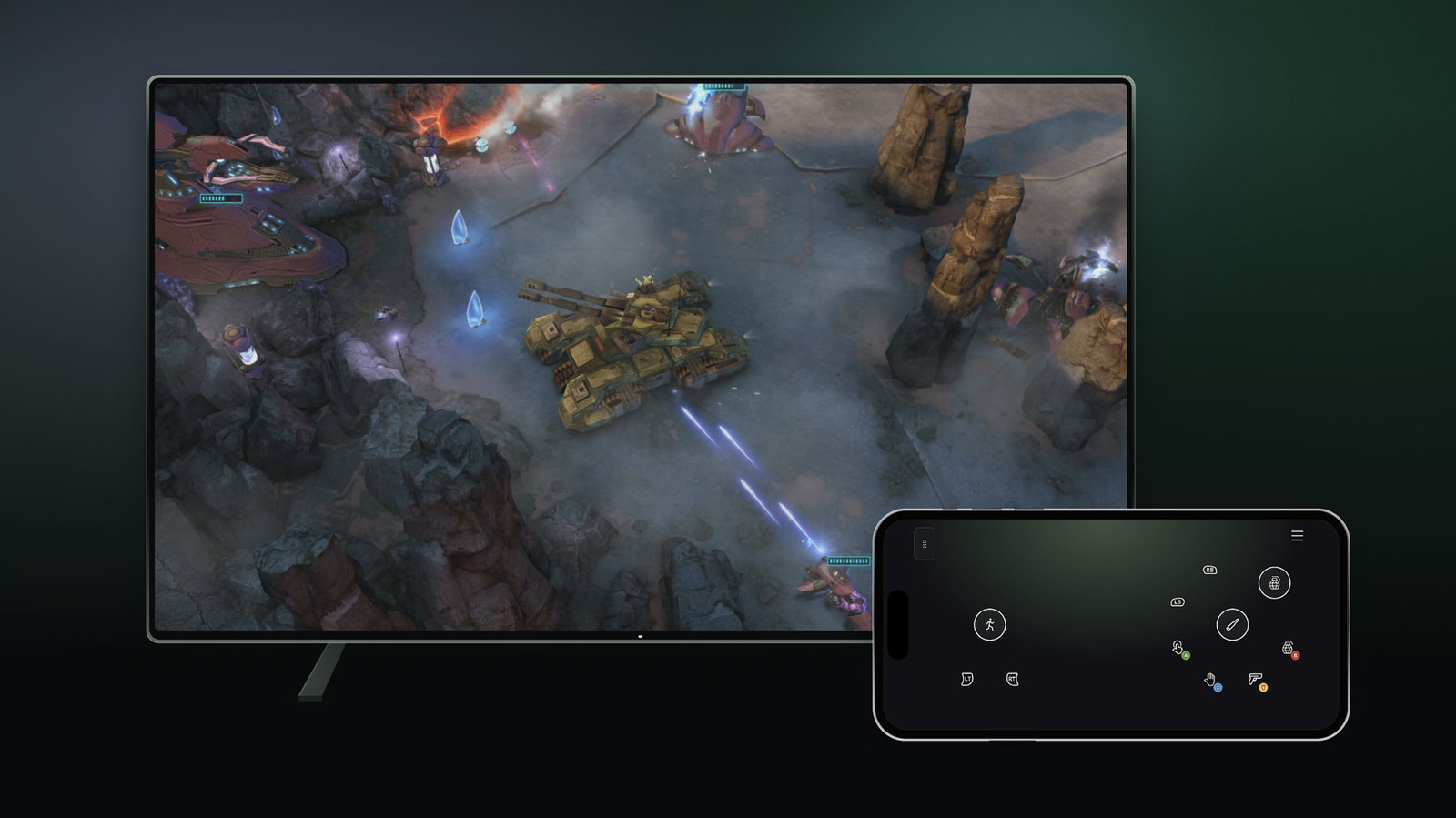
The most telling detail is that the Xbox Nano Controller supports a Wi-Fi connection directly to Xbox Cloud Gaming. That is not a cosmetic tweak. A controller with its own network link can bypass the console entirely, talking to cloud servers on its own. As The Verge reported, Microsoft is making official a preview that lets players try cloud connect on the Xbox Nano. The same preview lets players use a phone as a controller on smart TVs. Both moves point in the same direction: the controller is being asked to do the job the console used to do as the local hub. Engadget's framing that the Nano adopts a Google Stadia trick is apt, because Stadia's controllers also connected directly to the cloud. That idea did not die with Stadia; it is being folded into Xbox's roadmap.

Microsoft is hedging across input methods

Microsoft is not betting on one controller design. It is simultaneously testing a dedicated cloud controller and a phone-as-controller option for smart TVs. That is a hedge, and a sensible one. A Wi-Fi controller is a purpose-built accessory that Microsoft can sell; a phone-as-controller is a software path that lowers the barrier for anyone who already owns a TV and a handset. The two previews, as The Verge reported, are being offered together. For US consumers, that means the entry cost to cloud gaming could fall in two different ways: buying a specialized controller, or using hardware they already own. For Microsoft, it means the company can pursue cloud gaming reach without requiring every player to buy a console or a new pad.

Premium pads are a separate, parallel market

Razer's Raiju V3 Pro Signature Edition for PS5 sits at the other end of the spectrum. Engadget describes it as pretty and likely expensive. That is not a contradiction of the cloud story; it is the same logic applied to a different customer. Even as Microsoft experiments with cheaper, simpler cloud input, Razer is pushing a high-margin, premium controller for the installed PS5 base. The controller market is segmenting: at one end, cloud-first devices designed to reduce friction and reach new players; at the other, boutique pads sold on design and performance to enthusiasts. Both are attempts to extract value from the controller as a product in its own right, rather than as a subsidized accessory.

Why this matters for US companies and consumers

The US market consequences are practical. First, cloud gaming's success depends on reducing the cost and complexity of getting a game onto a screen. A Wi-Fi controller and a phone-as-controller option both attack that problem, and both are being tested by a major US platform holder. If they work, US consumers could play cloud titles on smart TVs without buying a console, which changes the calculus for households that have resisted dedicated hardware.

Second, the controller is becoming a place where platform holders can differentiate without a new console generation. Microsoft's Nano is a hardware bet on cloud; the phone-as-controller preview is a software bet on the same outcome. Razer's premium pad is a bet on the enthusiast slice of the PS5 installed base. For US accessory makers, the signal is that the controller is no longer just a commodity. It is a category with its own design space, its own networking decisions, and its own price tiers.

Third, there is a standards question lurking. A controller that connects directly to cloud servers over Wi-Fi has to handle pairing, latency, and session management in ways a Bluetooth pad does not. Microsoft is testing this in preview, not shipping it broadly, which suggests the company is still working through reliability. If the approach sticks, it could influence how other US platforms think about input for cloud services. If it does not, the phone-as-controller path may prove the more durable of the two, because it requires no new hardware at all.

The pricing signal

The Pixel 11 discount story from The Verge is not about controllers, but it belongs in the same pattern: consumer tech pricing is being used to segment and reach buyers. Google's Pixel 11 phones are up to 27 percent off through November 8th, with the standard Pixel 11, the Pixel 11 Pro, and the Pixel 11 Pro XL all discounted. That is a promotional move, not a hardware design shift, but it reinforces the environment in which controller news is landing: US consumers are being offered multiple price tiers and temporary discounts across gadgets, and hardware makers are working harder to meet them at different price points. A likely-expensive Razer pad and a budget-minded cloud controller strategy are two responses to the same segmented market.

What to watch

The near-term signals are concrete. Watch whether Microsoft expands the Xbox Nano cloud-connect preview beyond the current test, and whether the phone-as-controller option on smart TVs moves from preview to general availability. Watch how Razer prices the Raiju V3 Pro Signature Edition, since Engadget's report stops short of a figure. And watch whether the Wi-Fi controller approach shows up in other cloud gaming efforts, because if it does, the controller will have completed its transition from console accessory to standalone cloud device. The thread is clear: the gamepad is being redesigned for a market where the console is no longer the only way in.

More on this beat: Gadgets on TechManNews.

#cloud gaming#controllers#Xbox#Razer#consumer hardware#US market

Newsletter

Get Tech News in Your Inbox

The latest AI, gadgets, software and startup stories from TechManNews, delivered every morning - free.