Compute Is Becoming the Scarcest Input in US Tech
Article

Compute Is Becoming the Scarcest Input in US Tech

SpaceX's 10 GW ambition, Qualcomm's pivot to AI data centers, and the Army's 3D-printed drone all point to the same shift: compute capacity is now the constraint that shapes strategy.

HemeswariNovember 5, 20264 min read

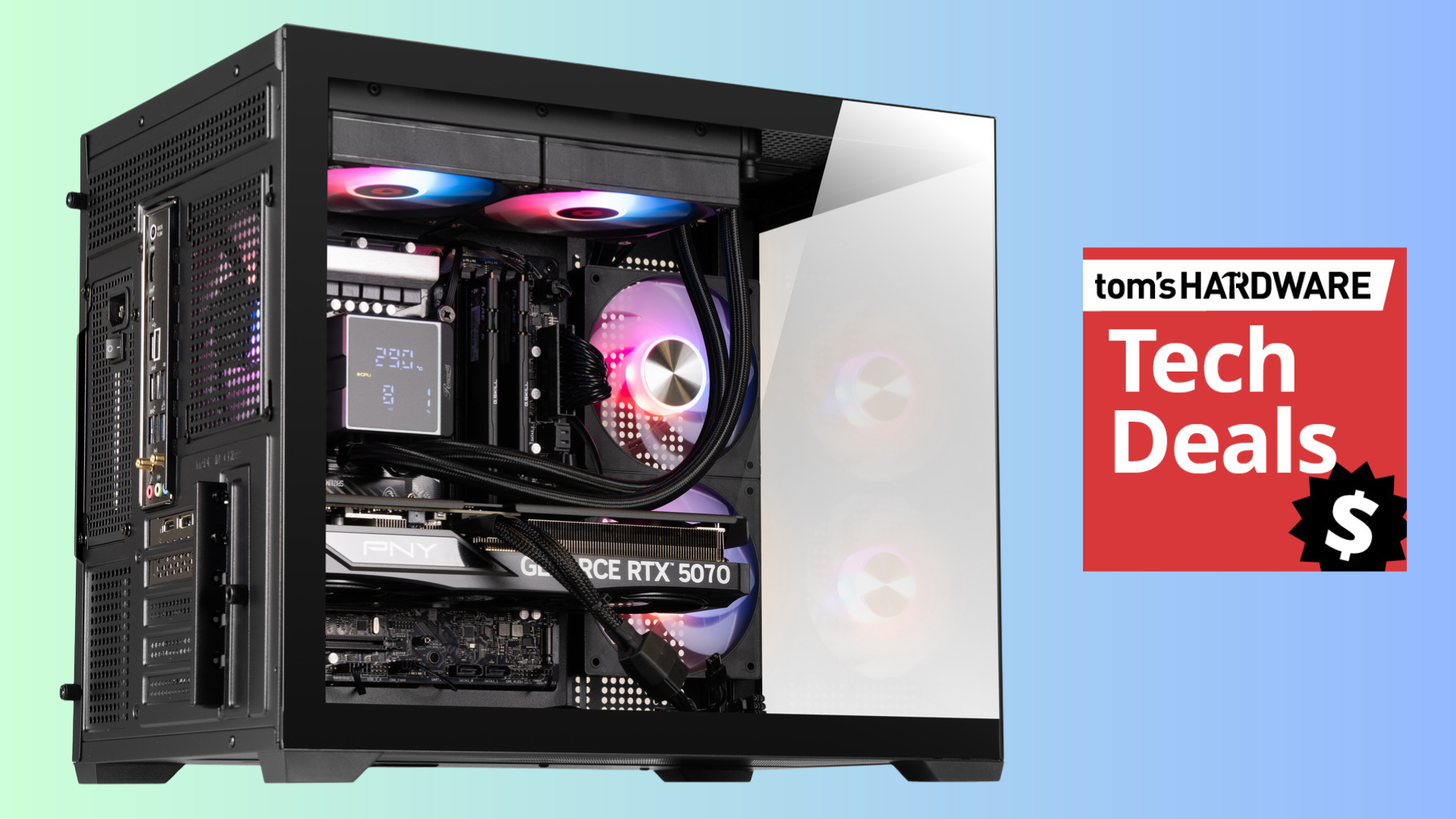
Photo: Tom's Hardware

The three stories on this beat share one underlying story: compute capacity has become the scarce input around which US technology strategy is now organized. SpaceX is making an extraordinary supply-side bet on data center buildout, Qualcomm is repositioning toward data centers as its handset business shrinks, and even the US Army's drone work is an exercise in squeezing more capability out of a smaller hardware package. Different sectors, same constraint.

The Supply-Side Bet

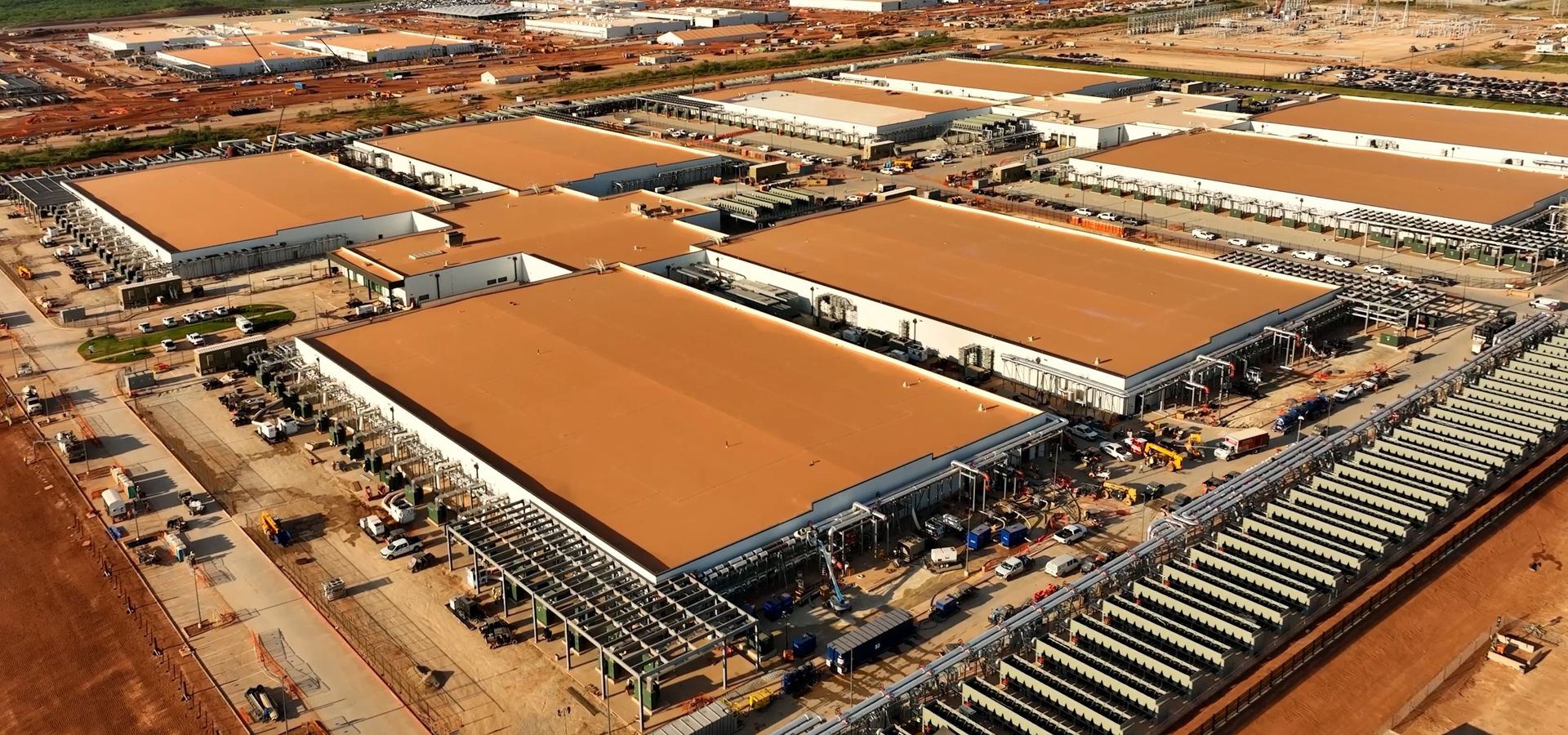
The most direct expression of the pattern is SpaceX's claim, reported by Tom's Hardware, that it can build 10 GW of compute in 2027 - more data center compute than Google's entire lifetime capacity, in roughly 18 months. Analysts quoted by Tom's Hardware treat the claim as plausible rather than fantastical, and their evidence is the breakneck pace of Colossus buildouts. That is the tell. A claim that would have been dismissed as marketing a few years ago is now assessed against a real construction cadence, because the industry has demonstrated that data center capacity can be stood up at speeds previously associated with software releases. Whether or not SpaceX hits the number, the fact that analysts treat it as a serious question marks a change in what the market believes is physically and financially achievable.

Demand Outrunning the Handset Cycle

Qualcomm's positioning shows the same constraint from the demand side. As The Verge reported, smartphone sales are down roughly 20 percent compared with 2025, and on its Q4 2026 earnings call Qualcomm laid out plans to make a splash in the AI data center business, leaning on partnerships with Amazon and Meta announced earlier. A company built on mobile silicon is now arguing that its growth path runs through data center compute. That is a strategic reallocation, not a diversification footnote. When the leading handset chipmaker says the next leg of growth is AI infrastructure, it confirms that capital and engineering attention across US semiconductor firms are being pulled toward the same bottleneck.

Efficiency as the Other Side of the Constraint

The Army's VICTOR drone, reported by Tom's Hardware, looks like an outlier but fits the thread. The drone uses an optimized heavy-fuel rotary engine developed with metal 3D printing for rapid prototyping, and a 400V motor-generator that uses advanced engineering to ditch a bulky liquid cooling system. The through-line is thermal and power management: the same problems that dominate data center design - how much work can be extracted per watt, and how much cooling overhead can be eliminated - show up in miniature in a hybrid-electric aircraft. Prototyping speed through additive manufacturing is also the same logic driving rapid data center construction: compress the time between design and deployed hardware.
Why This Matters for US Firms and Buyers

For US technology companies, the pattern implies a competitive landscape defined by access to compute rather than access to ideas. Firms that can secure capacity - through construction, partnerships, or capital - gain an advantage that compounds, because AI workloads scale with available hardware. Qualcomm's partnerships with Amazon and Meta are an example of buying into that access rather than building it alone. The strategic risk is concentration: if a handful of buildout programs set the pace, the rest of the US market competes for what remains.

For US consumers, the effects arrive indirectly but clearly. Data center demand competes for power, land, and cooling infrastructure, and the cost of that buildout eventually surfaces in cloud pricing and in the services built on top of it. Efficiency gains, meanwhile, are the main mechanism by which those costs are contained. The Army's drone work is a reminder that the same engineering discipline applied to cutting cooling hardware in a drone is what keeps data center economics from spiraling.

The Common Thread

Taken together, the three items describe an industry reorganizing around a single scarce resource. SpaceX is attempting to manufacture the constraint away at unprecedented scale. Qualcomm is migrating its business model toward wherever that resource is being accumulated. The Army is demonstrating that efficiency engineering is the complementary response when capacity is expensive or hard to move. None of these are independent stories; they are three positions on the same curve.

What to Watch

The concrete signals are already visible in the reporting. Watch whether SpaceX's 10 GW 2027 target is measured against actual construction milestones, since Tom's Hardware's analysts grounded their plausibility assessment in the pace of Colossus buildouts. Watch Qualcomm's next earnings calls for whether the data center push produces disclosed revenue rather than partnership announcements, following The Verge's account of the Q4 2026 call. And watch whether the prototyping methods behind the VICTOR drone - metal 3D printing for rapid iteration and cooling-system elimination - migrate into commercial hardware, as Tom's Hardware's description of the program suggests they could. If all three continue on their current trajectories, the constraint will not ease; it will simply move to whichever layer of the stack is slowest to scale.

More on this beat: Hardware on TechManNews.

#AI data centers#compute capacity#Qualcomm#SpaceX#GPU infrastructure#efficiency

Newsletter

Get Tech News in Your Inbox

The latest AI, gadgets, software and startup stories from TechManNews, delivered every morning - free.