Chip Supply Chains Are Fragmenting Faster Than They Can Be Rebuilt
Article

Chip Supply Chains Are Fragmenting Faster Than They Can Be Rebuilt

Three unrelated dispatches from the chip beat point to the same reality: capacity, access and physical risk are all being renegotiated at once.

BhavyaNovember 5, 20264 min read

Photo: Tom's Hardware

The stories crossing the chips beat this week share a single thread, and it is not about any one company or country. It is that the global semiconductor map is being redrawn faster than the institutions meant to govern it can adjust. Access to leading-edge GPUs, the ambition to build domestic alternatives, and the physical fragility of the factories in between are now three versions of the same problem: chips are becoming a matter of national positioning rather than neutral commerce.

Access Is Becoming a Negotiated Privilege

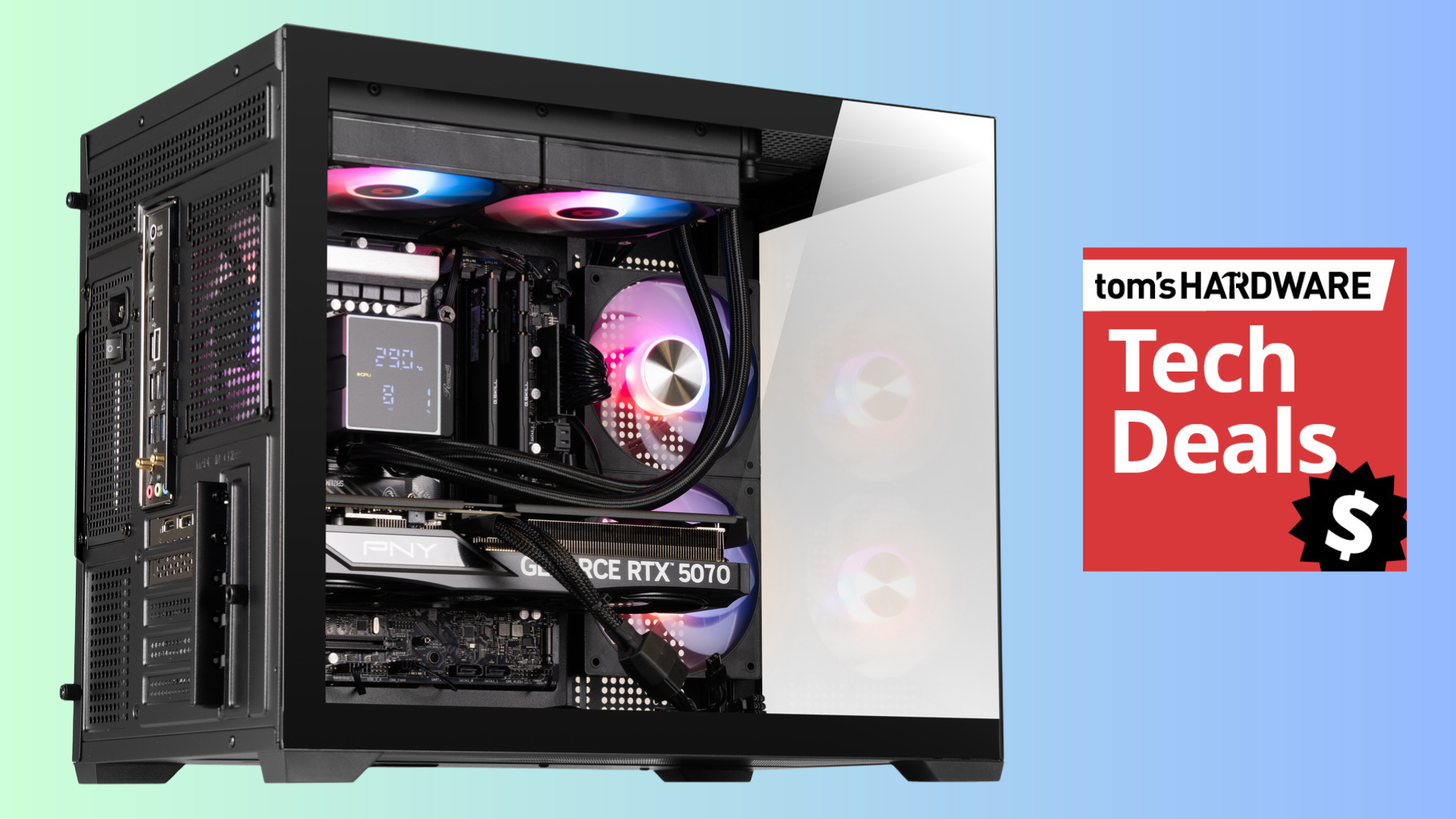
Start with the most direct signal. Chinese AI lab Moonshot reportedly looked at European data centers as a route to Nvidia chips, according to reporting from Tom's Hardware, with interest in renting at least 8,000 Nvidia Blackwell GPUs. Whatever the outcome of those talks, the shape of the story matters more than the specifics. A frontier AI developer is scouting a continent not for talent or customers but for somewhere its compute can legally sit.

That is a structural change in how the industry allocates its most valuable hardware. Export controls have effectively turned GPU capacity into something closer to a licensed resource than a product on a catalog. For US technology companies, this cuts in two directions. It sustains demand and pricing power for American-designed accelerators, but it also pushes foreign buyers toward workarounds that dilute US firms' visibility into where their silicon ends up. Cloud rental arrangements spanning multiple jurisdictions are considerably harder to audit than a direct sale, and every new intermediary layer adds cost and complexity to deals that US suppliers and their partners must underwrite.

The Push for Homegrown Silicon Is Accelerating

India's plans, as reported by Tom's Hardware, show the other side of the same coin. MeitY Secretary S. Krishnan has said the country intends to develop its own GPU under Semiconductor Mission 2.0, with a target of roughly two years, alongside efforts to commercialize the indigenous SHAKTI and VEGA RISC-V processors, expand domestic server production, and draw more semiconductor investment. Krishnan framed the AI boom as a possible repeat of the Y2K-era opening that helped build India's IT services industry.

Two years is an aggressive target for a GPU program, and the announcement is best read as a statement of intent rather than a schedule. But the intent itself is the story. India is not simply trying to attract fabs; it is trying to own design and commercialization of processors, which is a different and longer game. For US companies, the near-term effect is competitive pressure in design services and server assembly, where Indian firms already have deep relationships. The longer-term effect, if the program holds, is a new set of suppliers that US buyers can diversify toward, which is precisely what procurement teams have been asking for.
The Physical Base Is Still Fragile

The third story is a reminder that all of this planning rests on physical plants that can fail. An explosion and fire at a PCB factory in Taiwan's Silicon Valley left two people dead and five injured, as Tom's Hardware reported. Any loss of life in the supply chain deserves to be treated as more than a data point, and the human cost here is the first thing to note. But the industrial lesson is unavoidable: the same geographic concentration that makes the chip ecosystem efficient also makes it exposed.

PCB fabrication sits upstream of a great deal of electronics assembly, and Taiwan's cluster is one of the densest concentrations of that capability anywhere. US customers who have spent the past several years talking about supply chain resilience are, in practice, still heavily dependent on a small number of locations for components that are unglamorous and difficult to substitute quickly. An incident at a single factory does not halt the industry, but it does compound lead times at a moment when many buyers are already carrying less inventory than they once did.

What This Means for US Buyers

The common thread for American technology companies is that the assumptions underpinning procurement are all shifting at once. Compute access is being mediated by policy. Design capability is spreading to new national programs. Manufacturing capacity remains concentrated in places with real physical risk. Each of these trends was visible before this week, but seeing them reported together makes the interaction clear: diversifying away from one risk often means taking on another.

For US consumers, the transmission mechanism is familiar and slow. Constrained GPU supply supports prices for AI services. Fragmented manufacturing raises component costs that eventually reach device pricing. New competitors abroad can lower prices over time, but not on the two-year horizon India has set for itself. The realistic near-term outcome is continued upward pressure on the cost of compute-intensive products, offset only partially by new capacity.

What to Watch

The concrete markers are already in the reporting. Watch whether Moonshot's reported interest in European capacity produces an actual rental arrangement, and whether similar cross-border compute deals become a pattern rather than an exception, as Tom's Hardware's reporting suggests they might. Watch India's Semiconductor Mission 2.0 for tangible progress on the GPU target and on commercialization of SHAKTI and VEGA, since design wins and shipping parts are the tests that matter, not announcements. And watch the Taiwan investigation into the PCB factory blast for indications of whether the disruption is contained to one site or ripples through the component chain. None of these will resolve the larger fragmentation on its own, but together they will show how quickly the map is actually being redrawn.

More on this beat: Hardware on TechManNews.

#semiconductors#export controls#GPU supply#India chip policy#supply chain risk#Nvidia

Newsletter

Get Tech News in Your Inbox

The latest AI, gadgets, software and startup stories from TechManNews, delivered every morning - free.