The three stories on this beat share one thread: at America's largest technology companies, failures of governance and basic trustworthiness are no longer reputational problems that stay inside the company. They are becoming financial events. In each case, the question is no longer whether the conduct was defensible, but who pays for it, and how far the cost spreads beyond the firm itself.
Risk Moves From Engineering To Conduct
For most of the past decade, the risks that defined big tech were technical and competitive: shipping the right product, winning the platform war, staying ahead on performance. The stories logged on this beat recently suggest a shift. The 2026 wave of AI-driven layoffs, the Justice Department's suit against Lyft over refusals to serve passengers with disabilities, and the investigation at Nvidia all turn on institutional judgment rather than product capability. That is a harder risk to model, and it is much harder for management to argue is temporary.
Layoffs As A Confidence Problem
The jobs story is usually framed as a labor question. CNET's reporting puts more than 200,000 job cuts in the tech industry in 2026 and raises the prospect that AI-driven reductions could trigger a 1.6 million job recession, with the open question being whether the pattern spreads into retail and finance. For US technology companies, the exposure is not only the cost of severance. It is the signal repeated cuts send to customers, investors and remaining employees about how these firms treat commitments. When reductions are attributed to AI, they also test the credibility of the companies' own claims about what that technology can do. A sector that asks the market to believe its projections cannot be surprised when the market scrutinizes its headcount decisions with the same skepticism.
Legal Exposure Becomes A Product Story
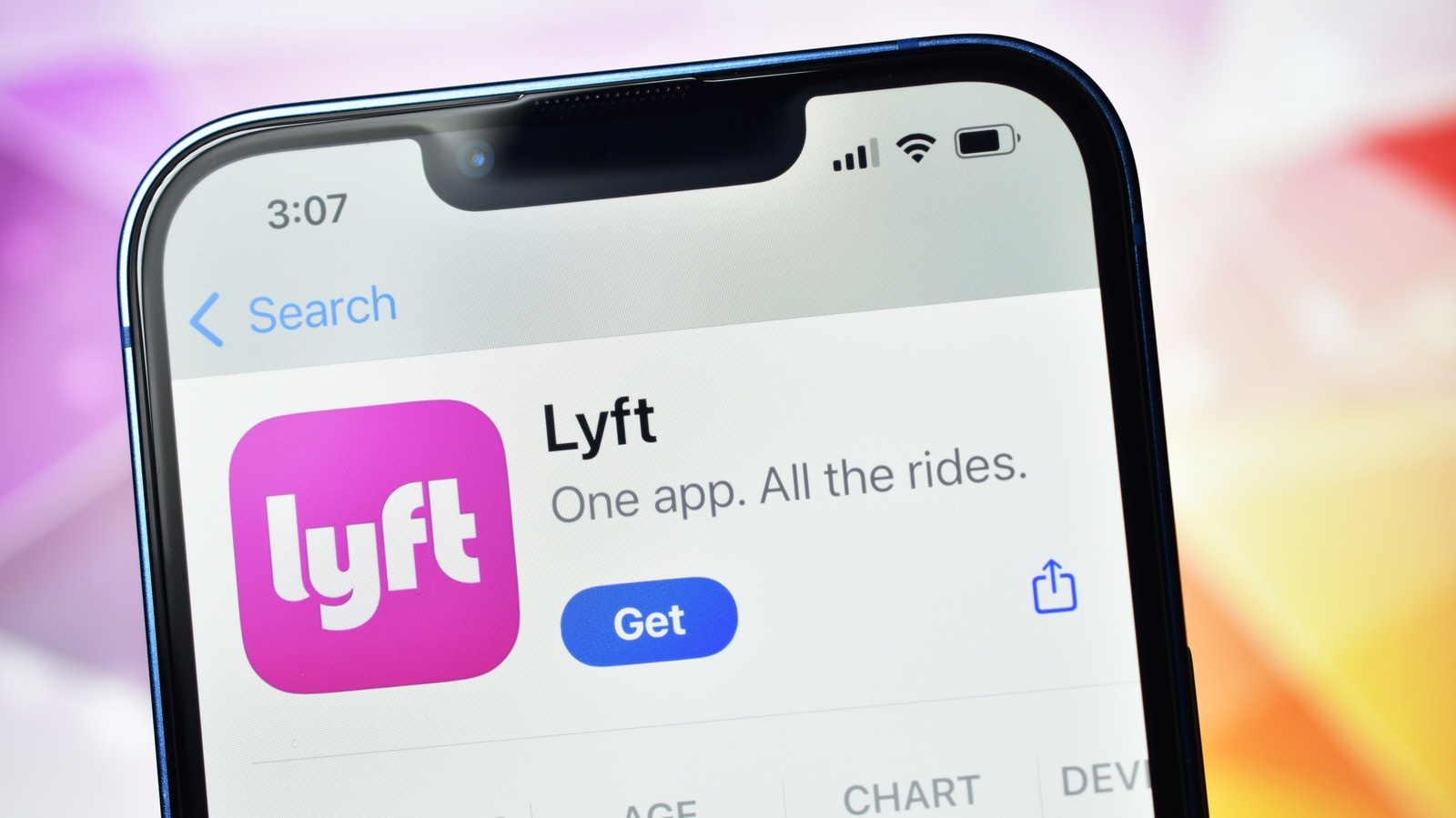
The Lyft suit, as Engadget reported, accuses the company's drivers of routinely refusing service to passengers with wheelchairs and service animals. The natural reading is a legal one. The more consequential reading for this beat is that it goes to the core of what a platform company sells: reliable access. Ride-hailing firms built their businesses on the promise that a tap produces a ride. If the Justice Department's allegations hold, the gap between that promise and the experience of disabled passengers is a product defect dressed as a compliance issue. For US consumers, it is a reminder that platform convenience has never been evenly distributed, and that the companies have largely self-regulated on accessibility. Federal enforcement changes the calculus, and it puts every consumer platform that depends on independent contractors on notice that conduct at the edge of the network is now the company's problem.
Nvidia And The Price Of Reassurance
TechCrunch reported that Nvidia's stock slid more than 4% after its board opened an investigation into Jensen Huang's relationship with a suspected Chinese spy, and that one securities law expert said the company's earlier insistence that the matter was all "normal" could become a very expensive problem. This is the cleanest illustration of the pattern. The market reaction was not primarily about the underlying relationship. It was about the discovery that the board was investigating something the company had already characterized as unremarkable. The race to sue Nvidia, as TechCrunch frames it, is a race to price that gap between assurance and investigation. For a company at the center of the AI buildout, and for the US market that has concentrated so much value in it, that gap is the risk that matters.