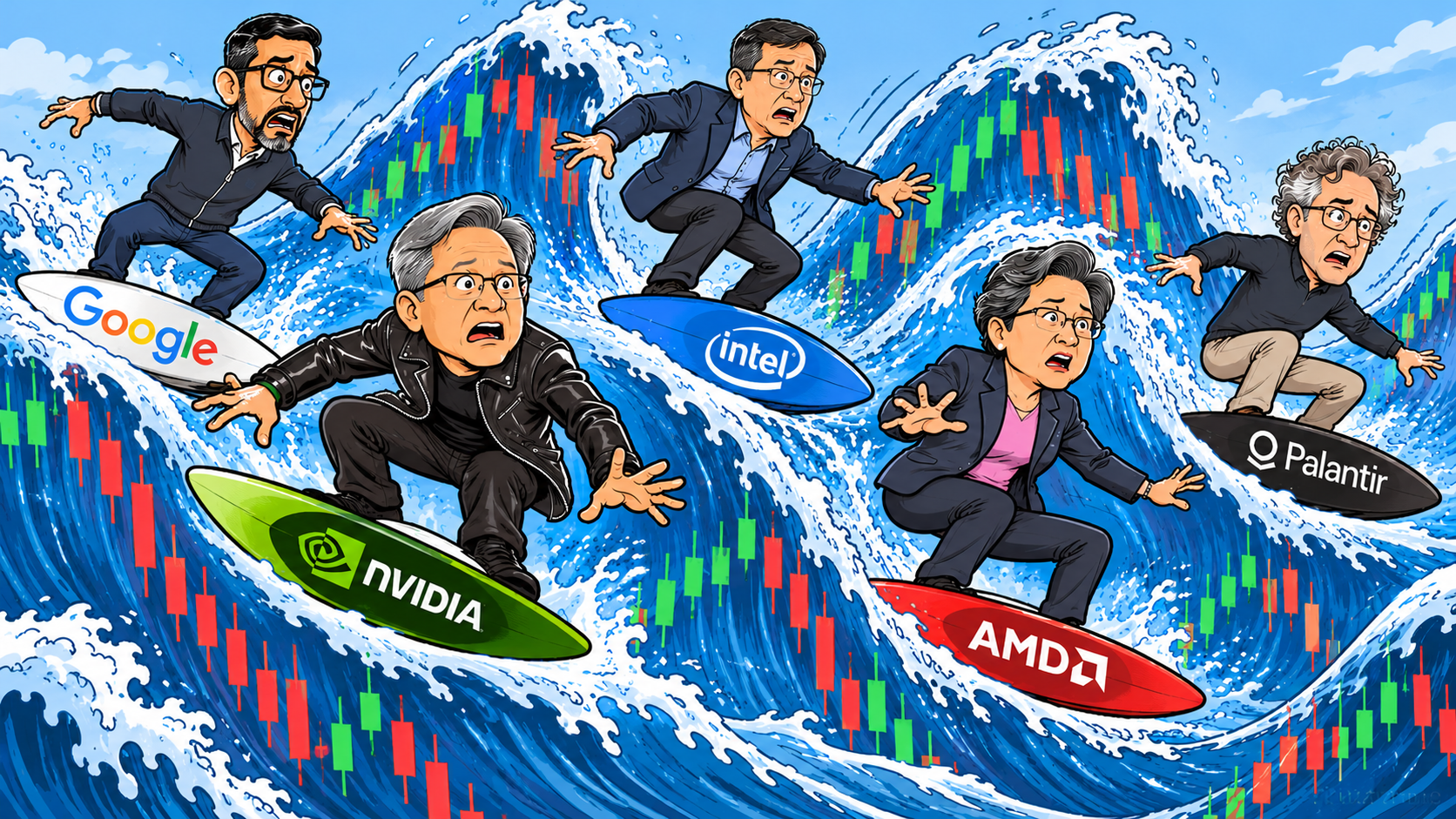
The midterm elections have turned Big Tech's political strategy into a liability. After two years of courting the White House, the industry is now scrambling to make friends with Democrats, as TechCrunch reported, while voters delivered a clear message against AI and the data centers behind it. The single thread running through the coverage is that Big Tech's problems are no longer confined to Washington lobbying shops; they have become local, electoral, and market-visible at the same time.
A Bet That Aged Badly
TechCrunch's framing is blunt: Big Tech spent two years getting cozy with the White House and is now trying to repair its image with Democrats. That is not a small adjustment. It is an admission that the industry put its political capital behind one relationship and now needs another. The question TechCrunch raises is whether that makeover can hold up against what states, local communities, and the markets are about to do. The answer will not be decided in a single election cycle. It will be decided in the places where data centers are actually built and where AI is actually regulated.
The timing matters. The midterms did not merely change which party holds leverage; they changed the terms of the conversation. The industry's preferred frame, that AI is a national competitiveness story, is being met with a local frame: what does this project do to my community, my grid, and my state's rules. That is a harder argument to win with Washington relationships alone.
The Voters Spoke, and They Spoke Against AI
The Verge's account of the results is the clearest signal in the material. Millions of Americans voted overwhelmingly for Democrats and against AI, and The Vergecast's Nilay and David describe the fight against Big Tech as about to come roaring back. The data center fight, in particular, is described as looking even harder for the people trying to build them.
This is the core political fact of the week. Opposition to AI is no longer an abstraction debated by policy analysts; it is an electoral position that produced results. For US technology companies, that means the cost of building infrastructure is rising in a way that does not show up on a balance sheet immediately. Permits, local approvals, and community consent are becoming the binding constraints, and they are now shaped by voters who have been told, and apparently believe, that AI is a problem to be resisted rather than a benefit to be shared.
The Verge's language about the fight "roaring back" is worth taking seriously. It suggests the industry should expect a second wave of scrutiny, not a quiet period. Companies that treated the midterms as a distraction from product roadmaps may find that the distraction is now the operating environment.
Markets Priced It Differently
SiliconANGLE's early read complicates the story in a useful way. The day after the elections, stocks of many tech companies shot up, and the early line is that Big Tech wins while data center suppliers and operators, such as chipmakers and neoclouds, lose. SiliconANGLE is careful to call this a preliminary read, and it explicitly leaves open the possibility that everybody loses.
That caution is appropriate, but the pattern is still revealing. Markets appear to be distinguishing between companies that sell AI and companies that must physically build the facilities AI requires. If that distinction holds, the political backlash lands hardest on the infrastructure layer: the firms that need land, power, and local permission. Big Tech, which can point to software and services revenue, may absorb the political hit more easily than the suppliers and operators whose business depends on construction proceeding on schedule.
For US technology companies, this is a meaningful shift in risk. The companies most exposed to the data center fight are not always the largest names, and they have less capacity to absorb delays. SiliconANGLE's framing also hints at a scenario where the political environment is bad enough that the distinction collapses entirely. That is the scenario worth watching.

